

Neck pain steals away the quality of life—but physical therapy is one of the most effective treatments available. So what can you expect from a physical therapist? Let’s walk through the process clearly.
The human neck is a remarkable structure of 7 small vertebrae that carries the weight of the head (10–12 kg) and allows us to move it in all directions. However, this complex mechanism is surprisingly fragile.
1. Mechanical disorders — often related to poor posture or muscle strain
2. Whiplash — resulting from sudden acceleration-deceleration forces
3. Cervical radiculopathy — when a nerve root becomes compressed
4. Degenerative diseases — affecting the joints and discs of the cervical spine
Furthermore, physical therapy is highly effective against all these conditions. As a result, many patients find lasting relief without surgery or heavy medication. Physical therapy treats neck pain through thorough patient assessment, manual therapy techniques, and targeted therapeutic exercises. It addresses the root cause rather than just masking symptoms.
Many people assume that physical therapy for neck pain simply means getting a list of exercises and doing them alone. However, that is not the whole picture. At Tokyo Rehabilitation, we take a comprehensive, multi-step approach to physical therapy for neck pain.
To begin with, we discuss your symptoms and medical history in detail. Next, we conduct a thorough physical examination to understand your unique condition.
Specifically, we assess how your everyday activities are affected by the pain. For instance, sitting at a computer desk or driving a car may put extra strain on your musculoskeletal system. We also test your range of motion, posture, upper body strength, and nerve function.
This type of comprehensive neck pain assessment helps us determine the root cause of your discomfort. Notably, problems in the upper back or even the jaw can be the underlying source of neck pain. Consequently, our findings guide every subsequent treatment decision.
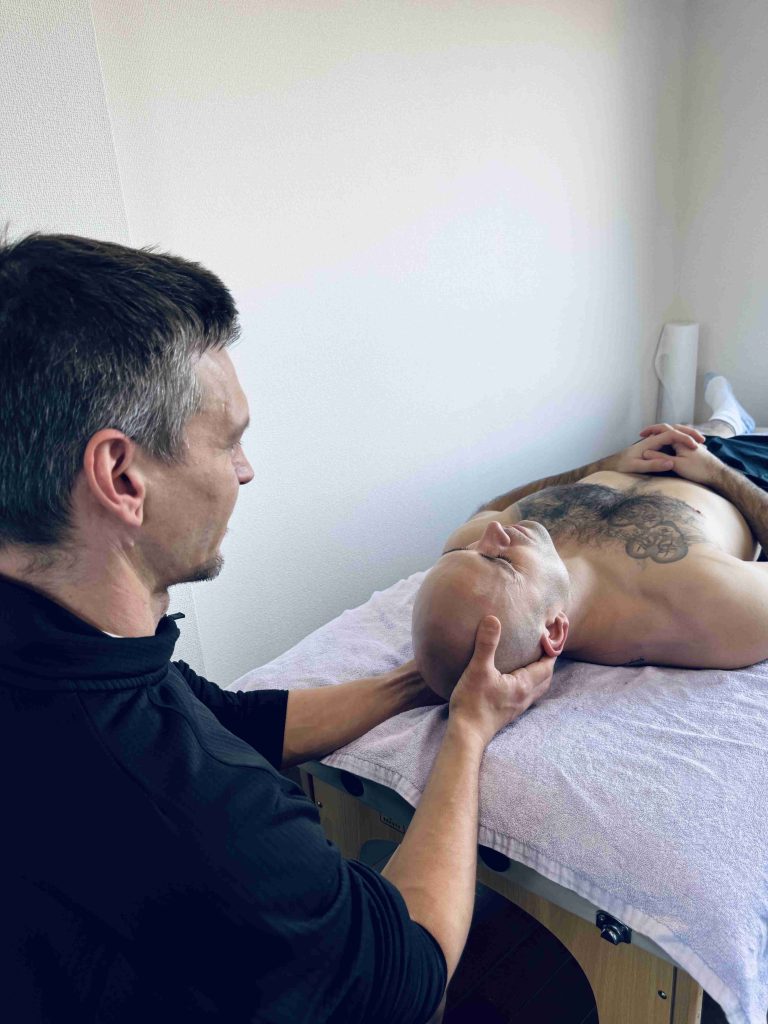
This step is often the most pleasant for patients. We use various manual therapy techniques to affect the muscles, joints, and soft tissues of the neck.
These manual therapy techniques for neck pain can help:
Our physical therapists are extensively trained to execute these techniques safely and effectively. Moreover, many patients mistakenly believe that neck manipulation is inherently unsafe. In reality, manual therapy is surprisingly gentle and relaxing when done correctly.
This step is arguably the most important part of physical therapy for neck pain. Individual therapeutic exercises target the specific cause of your pain.
For example:
Furthermore, therapeutic exercises can help prevent future problems. They prepare your body for usual strains and help you recognize early warning signs of pain. Importantly, these exercises are highly individualized. Runners need different exercises than desk workers. Similarly, pregnant women may require a special set of recommendations tailored to their changing bodies.
Education is a vital part of your recovery. Your physical therapist will explain the underlying causes of your neck pain and show you how to prevent future flare-ups.
You’ll also receive clear guidance on your exercise routine—including when to do each movement, when to take a break, and how to respond if you feel discomfort. Beyond that, you’ll learn proper ergonomics for work, driving, and sleep.
The goal is empowerment. When you understand your condition, you become an active partner in your recovery. As a result, you’re far less likely to experience recurring problems.
The length of physical therapy for neck pain depends on the individual case. However, most patients notice some improvement after 6–12 sessions.
Phase 1 (Pain Relief): Aimed at reducing acute pain. Typically lasts 1–3 sessions.
Phase 2 (Restoration): Restoring range of motion and strengthening muscles. Usually takes 2–6 weeks.
Phase 3 (Consolidation): Consolidating results and preventing future problems. Ongoing.
Most patients improve steadily during the first 4–6 weeks of therapy. On the other hand, people with chronic conditions—such as whiplash—may need more time and delicate movements to heal. Keep in mind: Physical therapy is not a passive procedure. The more effort you invest, the more results you’ll see.
In Japan, the rules around physical therapy and referrals can be a little confusing. Physical therapy provided under Japan’s public health insurance system generally requires an assessment and treatment direction from a doctor. Tokyo Rehabilitation is a private clinic and does not accept Japanese National Health Insurance, so patients can book directly without a doctor’s referral.
That said, if you are experiencing symptoms that seem unusual, severe, or otherwise concerning, we recommend being checked by a doctor first. A medical evaluation can help determine whether there is anything that needs further investigation before beginning physical therapy.
If you plan to use private or international health insurance, it is also worth checking with your insurance provider before making an appointment. Some insurance companies require a doctor’s referral before they will reimburse physical therapy, even when a referral is not required to book an appointment with us.
If your physical therapy evaluation suggests that you would benefit from seeing another type of specialist, we can also help connect you with the appropriate medical professional.
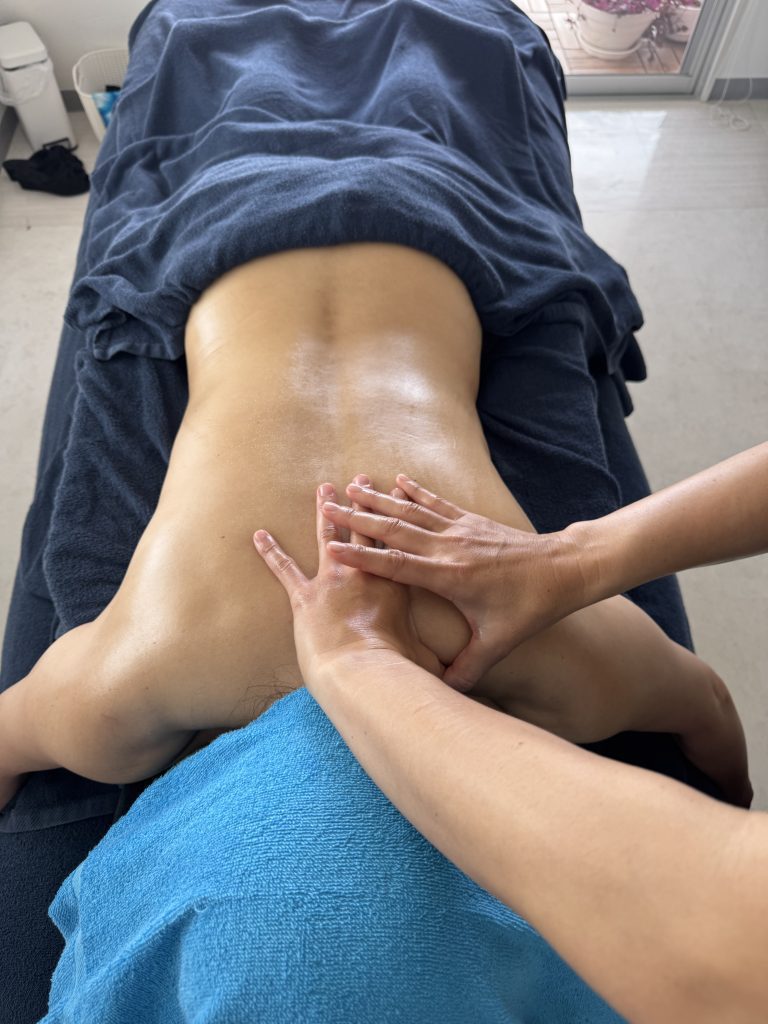
Forward head posture is a common cause of neck pain among computer users. Consequently, physical therapy for neck pain in desk workers focuses on postural correction and reducing spinal stress.
Our therapists use manual therapy techniques, postural retraining, and ergonomic advice to relieve posture-related neck pain. As a result, many patients experience significant improvement within a few weeks.
Many people think whiplash cannot be treated effectively. However, physical therapy has proven to be a highly effective treatment option.
Physical therapists use special techniques to reduce the effects of the accident. For instance, gentle mobilization and graded exercises help restore normal movement. Subsequently, patients can return to normal activities with less fear and discomfort.
Painful conditions affecting the nerves often require a special set of physical therapy procedures. Our therapists can help relieve pressure on affected nerves and reduce inflammation.
For this reason, treatment is typically more gradual than for mechanical neck pain. Nevertheless, outcomes are often excellent, with most patients experiencing significant relief within a few months.
Hormonal changes, postural adjustments, and the additional stress of caring for a child can make pregnant women and new mothers more prone to neck pain. Fortunately, physical therapy is a safe and effective way to reduce pain during and after pregnancy.
Our therapists modify techniques to accommodate changing bodies. As a result, you can find relief without compromising safety.
Many people who have suffered from neck pain can successfully prevent future episodes.
1. Here are several evidence-based strategies:
2. Maintain correct posture and stay aware of spinal stresses
3. Exercise regularly to keep muscles strong and flexible
4. Continue therapeutic exercises even when pain is gone
5. Manage stress effectively—regular physical activity can help tremendously
In addition, periodic check-ins with your therapist can help you stay on track. Many patients schedule a session every few months for maintenance.
If you’re experiencing neck pain, it’s best to contact a physical therapist as soon as possible.
Specifically, seek help if the pain:
Physical therapy can help you prevent future episodes and stop the pain from becoming chronic. For this reason, early intervention is strongly recommended.
How long does physical therapy take to relieve neck pain?
Most patients see improvement after 6–12 sessions. Visible results can often be seen during the very first procedure, but a full course of treatment is typically needed to consolidate results.
Can physical therapy help with chronic neck pain?
Yes. Chronic neck pain is highly responsive to physical therapy. Treating chronic conditions usually takes more time and focuses on managing symptoms rather than eliminating them entirely.
Is physical therapy for neck pain covered by insurance in Japan?
Physical therapy treatments are typically covered by insurance, but details may vary depending on your plan. We’re happy to provide documentation for insurance reimbursement. We also accept TRICARE.
Will physical therapy for neck pain be painful?
You should not expect sharp or unpleasant sensations during therapy. If you feel uncomfortable at any stage, let your physical therapist know, and they will adjust the procedure.
Can physical therapy prevent neck pain from returning?
Yes. We can prescribe daily exercises to prevent future episodes. Most patients find they experience much fewer and less severe pains after a full course of therapy.
You do not have to suffer from neck pain. Physical therapy can help you eliminate pain and prevent future episodes.
At Tokyo Rehabilitation, we offer comprehensive physical therapy in Tokyo. Our English-speaking therapists can help you understand the nuances of treatment and prescribe an individualized course of exercises.
We understand the challenges of living in Tokyo—the local traffic can be hard on the spine, and apartments aren’t always designed for relaxation. We can help you alleviate the pain caused by your everyday life.
Contact Tokyo Rehabilitation today to set up an appointment and begin your healing journey.

Founded by Mari Gish, PT, Tokyo Rehabilitation has served the English-speaking community in Japan for over 40 years. With state-of-the-art clinics in Shirokane, Minato-ku (Tokyo) and Kadena (Okinawa), our team of U.S.- and Japan-licensed physical therapists, osteopaths, and Pilates specialists provides compassionate, 1-on-1 rehabilitation and holistic wellness support.
We specialize in orthopedic and sports rehabilitation, Men and Women’s Pelvic Health, pre- and postnatal care, pediatric physical therapy, neurological recovery, specialized manual care, osteopathic techniques, and sympathetic nervous system downregulation. We accept international insurance policies and serve as an overseas Tricare provider.
Navigating a foreign healthcare system doesn’t have to mean compromising on the quality or style of your recovery. While Japanese National Health Insurance clinics offer an accessible option for quick, passive relief, private 1-on-1 physical therapy/physio bridges the cultural and linguistic gap for foreign residents who need comprehensive, active rehabilitation. By understanding how both models operate, you can confidently choose the pathway that best fits your specific injury, lifestyle goals, and peace of mind. If you are ready to tackle pain at its root with personalized, English-speaking care in Tokyo or Okinawa, reaching out to a dedicated physical therapy team is your best first step toward living fully and pain-free in Japan.
If you enjoyed this article, please also see: Posture Reset Guide: Tokyo Rehabilitation