
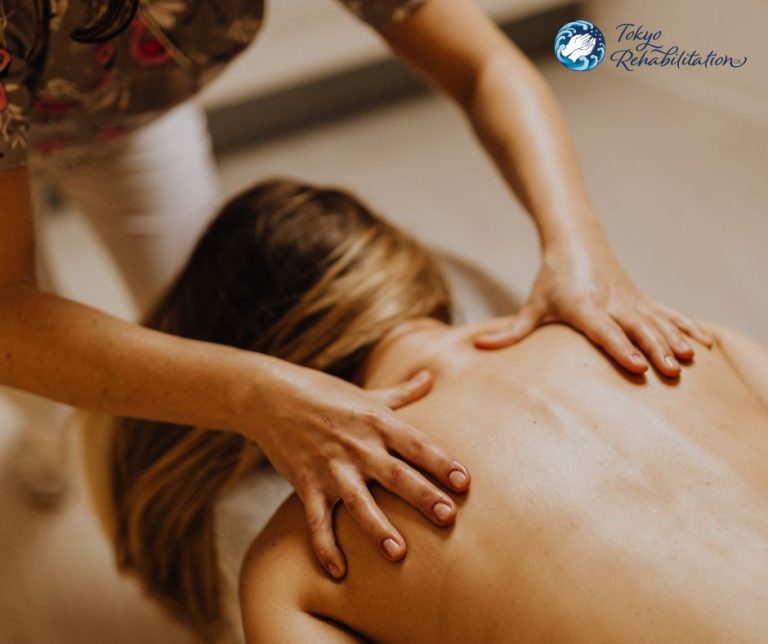
Surgery represents a major milestone in any medical journey. It is often the result of months or years of chronic pain or acute injury. Many patients view the operation as the finish line. However, expert clinicians at Tokyo Rehabilitation suggest a different perspective altogether. They view the surgical event as the midpoint of a much longer process. This process includes two vital phases: “pre-hab” and “rehab.”
Understanding the distinction between these phases is crucial for success. You must prepare your body before the surgeon ever picks up a scalpel. Simultaneously, you must commit to a structured recovery plan afterward. This comprehensive guide explores why both phases matter equally. We will look at how Tokyo Rehab optimizes these stages for every patient. By the end, you will understand how to maximize your surgical outcome.
Health procrastination is an incredibly common human behavior. Millions of people worldwide experience persistent musculoskeletal discomfort, yet they continuously delay seeking professional help. We treat our bodies with less urgency than our motor vehicles. If the check-engine light flashes on your car dashboard, you quickly schedule a mechanic appointment.
Unfortunately, when our bodies flash warning signals through pain, we frequently ignore them. We assume that pain is simply an inevitable byproduct of aging or a stressful lifestyle. However, your pain is not an inconvenience to be managed with silence. It is a vital distress signal that requires immediate, targeted attention.
This comprehensive guide will thoroughly explore the underlying psychological and physical reasons why we consistently put off essential physical rehabilitation. Furthermore, we will examine the hidden physiological costs of delaying care. You will discover how modern rehabilitation techniques actually work.
Finally, we will demonstrate how working with the expert, bilingual team at Tokyo Rehabilitation can seamlessly fit into your busy life. Healing does not have to be an overwhelming or painful process. By the end of this article, you will understand exactly why taking action today is the greatest gift you can give to your future self.
In addition to normalization, fear of the unknown plays a massive role in keeping people away from the clinic. Many individuals harbor deep-seated anxieties that physical therapy will be an agonizing, grueling ordeal. They worry that a practitioner might discover a severe, underlying structural issue.
Alternatively, they fear that rehabilitation will require an impossible amount of time and energy. These anxieties create powerful mental barriers. As a result, staying at home and doing nothing feels like the safest, most comfortable choice, even though it guarantees that your physical condition will continue to deteriorate.
Furthermore, living as an expatriate or international resident in a bustling metropolis introduces unique logistical challenges. Navigating a foreign medical system can feel incredibly overwhelming, especially when you are already dealing with a painful injury.
Language barriers often amplify medical anxiety. You might worry about miscommunicating your symptoms or misunderstanding your treatment plan. Consequently, many international residents in Japan delay seeking care indefinitely. They choose to endure chronic pain rather than face the stress of local medical bureaucracy.
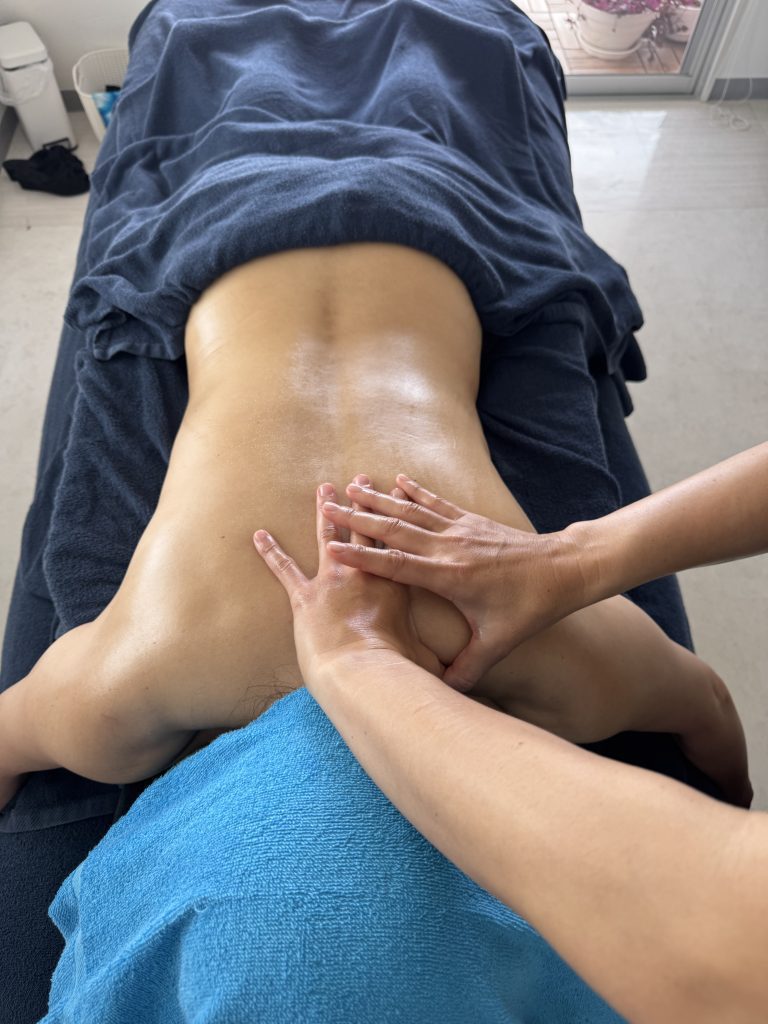
When you choose to delay professional rehabilitation, your body does not simply remain in a state of suspended animation. Musculoskeletal issues are inherently progressive. When one muscle group or joint is injured, your body automatically alters its movement patterns to protect the painful area.
This process is known as biomechanical compensation. For example, if you have a nagging pain in your right knee, you will naturally shift more of your body weight onto your left leg. You might also alter your gait, which completely changes the alignment of your hips and lower back.
Initially, this compensation strategy works quite well because it successfully shields the injured tissue from further irritation. However, your secondary structures are not designed to handle these unnatural, repetitive loads. Therefore, a neglected knee problem frequently transforms into severe lower back pain or hip misalignment.
By the time you finally seek help, you are no longer dealing with a single, isolated issue. Instead, you are facing a complex web of interconnected muscular imbalances. This compounding effect means that your eventual recovery process will likely require significantly more time, effort, and resources.
In addition to biomechanical shifts, delaying treatment alters how your central nervous system processes pain signals. When physical tissue remains inflamed or restricted for months, your nerves become hypersensitized. This physiological transition shifts your condition from an acute injury to a chronic pain state.
Your brain essentially learns to be in pain, creating deep neurological pathways that are difficult to disrupt. The sympathetic nervous system enters a chronic state of fight-or-flight. This systemic upregulation increases your overall stress levels, disrupts your sleep patterns, and compromises your immune system.
The ultimate consequences of physical procrastination extend far beyond simple bodily discomfort. Chronic pain gradually chips away at your psychological well-being, your emotional resilience, and your social interactions.
When movement hurts, you slowly begin to withdraw from the activities that bring you joy. You might stop playing your favorite sports, skip weekend outings with friends, or avoid playing with your children on the floor. These subtle lifestyle subtractions happen so slowly that you might not even realize how much you have sacrificed.
Eventually, this forced isolation and physical limitation can lead to feelings of profound frustration and mild depression. You begin to feel disconnected from your own body. You view your physical frame as a source of betrayal rather than a source of strength.
Furthermore, chronic discomfort severely drains your daily energy reserves. Your brain expends a massive amount of cognitive energy simply managing and suppressing pain signals throughout the day. Consequently, you might experience brain fog, irritability, and decreased productivity at work.
There is also a very real financial cost associated with health procrastination. Many people delay booking a session because they view rehabilitation as an unnecessary luxury expense. However, avoiding early intervention is actually a very expensive long-term strategy.
An issue that could have been resolved with a few targeted sessions can easily escalate over time. Eventually, you may require expensive diagnostic imaging, regular prescription pain medications, or invasive surgical interventions. Furthermore, severe chronic pain can lead to lost wages and missed career opportunities due to prolonged sick leave.
To overcome the temptation to procrastinate, we must completely dismantle the outdated myths surrounding physical therapy. Many people still envision rehabilitation clinics as sterile, intimidating rooms where patients are pushed through painful exercises.
Fortunately, modern rehabilitation practices are completely different. At a premium clinic like Tokyo Rehab, the entire therapeutic process is collaborative, gentle, and highly personalized. The primary objective is not to push your body to its absolute breaking point. Rather, it is to systematically restore natural, pain-free movement.
Your journey begins with a comprehensive, one-on-one initial assessment. During this session, a highly licensed expert will listen to your story, evaluate your movement mechanics, and identify the root cause of your discomfort.
They will not merely treat your symptoms. Instead, they will investigate why those symptoms appeared in the first place. For example, your chronic shoulder pain might actually stem from poor thoracic mobility or a weak core. By identifying and addressing these underlying imbalances, your practitioner ensures that your recovery is truly permanent.
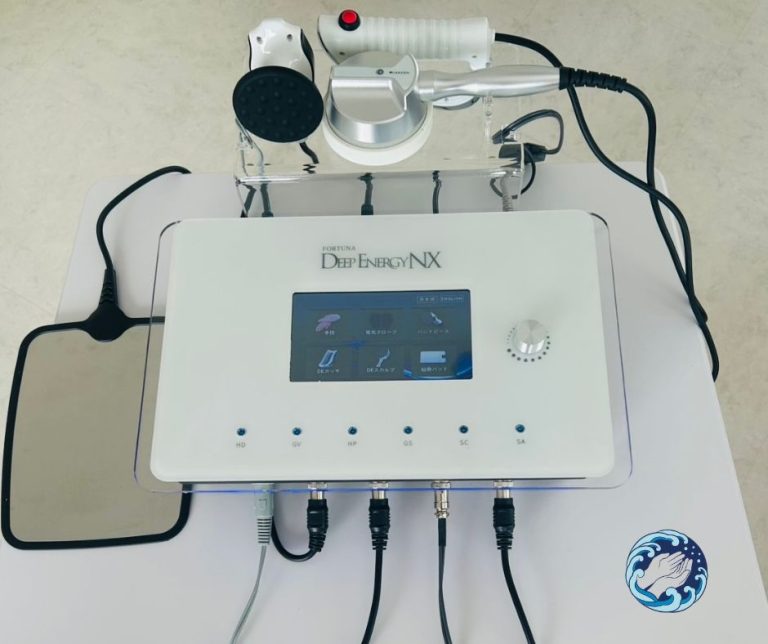
Modern therapeutic plans utilize a diverse and sophisticated toolkit to facilitate healing. Practitioners combine hands-on manual therapy with targeted exercise prescription to achieve optimal results. Manual therapy techniques, such as joint mobilization and soft tissue massage, help to calm your nervous system.
These techniques quickly reduce muscle guarding, alleviate acute tension, and improve local blood circulation. Once your pain levels decrease, your therapist will introduce gentle, restorative movements to rebuild your foundational strength and stability.
Every single human body is completely unique. Therefore, a generic, one-size-fits-all exercise routine will never provide lasting relief for complex musculoskeletal issues. A truly effective healing protocol must adapt to your specific lifestyle, anatomy, and goals.
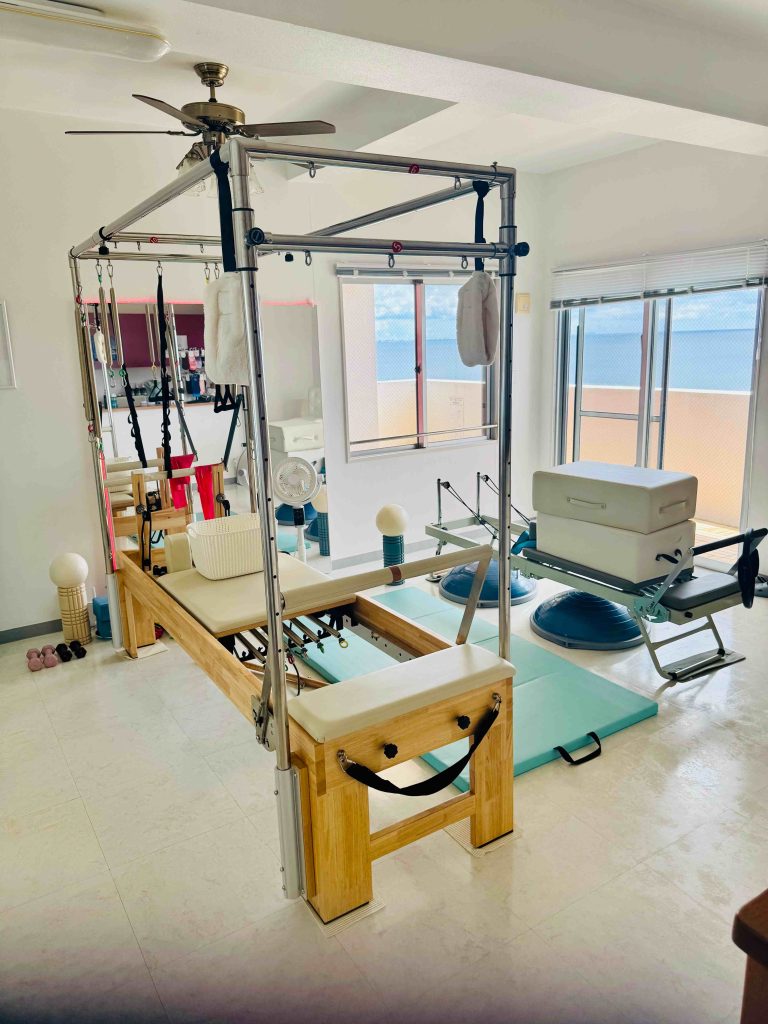
At Tokyo Rehabilitation, therapists seamlessly integrate multiple advanced modalities into a single, cohesive treatment plan. For instance, they frequently utilize clinical Pilates equipment, such as the Reformer, to help patients safely rebuild deep core strength without overloading sensitive joints.
Clinical Pilates is an exceptionally powerful tool for orthopedic and sports rehabilitation. It emphasizes precise alignment, controlled breathing, and mindful movement execution. This mindful approach helps to re-educate your neuromuscular system, breaking the bad movement habits that initially caused your injury.
Additionally, specialized care paths are readily available for unique physiological needs. If you are recovering from an intricate orthopedic surgery, your postoperative protocol will be carefully calibrated to protect your healing tissues while gradually restoring your full range of motion.
Furthermore, modern clinics place a strong emphasis on specialized fields such as pelvic health and pre- and post-natal care. Pregnancy and childbirth introduce profound biomechanical modifications to a woman’s body. These changes can frequently lead to pelvic floor dysfunction, core weakness, or persistent lower back pain.
Instead of accepting these issues as normal consequences of motherhood, targeted rehabilitation can help women reclaim their core strength, alleviate discomfort, and return to their favorite activities with complete confidence.
In our modern digital era, the temptation to self-diagnose and self-treat is stronger than ever before. When we feel pain, our first instinct is often to search for solutions online. You can easily find thousands of videos promising to cure lower back pain or fix a stiff neck in five minutes.
While these generic stretches might provide temporary, fleeting relief, they can also be quite dangerous. Without a comprehensive professional evaluation, you cannot truly know what is happening inside your body.
For instance, a stretch that is perfectly designed to help someone with a herniated disc could severely aggravate someone suffering from sacroiliac joint dysfunction. Furthermore, performing exercises with improper form can reinforce the exact compensation patterns you need to break.
Online videos cannot see how your muscles are firing. They cannot adjust your alignment, and they cannot modify the intensity based on your daily feedback. True healing requires the trained eye and expert hands of a licensed professional.
Working with a dedicated practitioner also provides a vital element that internet videos can never replicate: true accountability. When you attempt to rehabilitate an injury entirely on your own, it is incredibly easy to lose motivation. You skip sessions when you are tired, or you give up entirely when progress feels slow.
In contrast, your therapist acts as an encouraging, supportive coach. They celebrate your small victories, adjust your program when you hit plateaus, and keep you moving steadily forward toward your long-term health goals.
If you are an international resident living in Japan, finding the right clinic can feel like a daunting task. Fortunately, Tokyo Rehab was specifically designed to bridge the gap between world-class international healthcare standards and local accessibility.
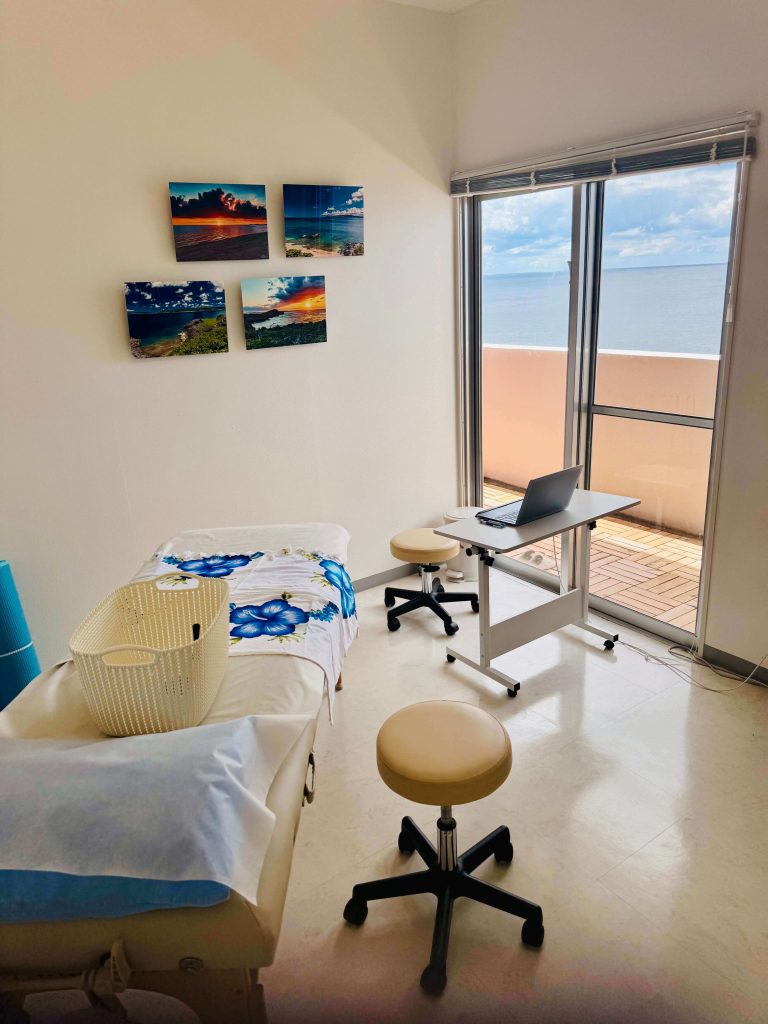
Situated in a peaceful, private environment, this clinic offers a comforting sanctuary away from the chaotic pace of everyday city life. You will never feel like an anonymous number on a waiting list or a patient pushed through an assembly line.
The clinical team consists of western-licensed professionals who possess extensive clinical experience. This means you can communicate your history, your anxieties, and your goals in fluent English. You will receive the exact same high standard of evidence-based care that you would expect from top-tier medical facilities in the United States or Europe.
The team removes all the friction, confusion, and stress commonly associated with navigating foreign medical care, allowing you to focus entirely on your physical recovery.
When you finally decide to schedule your first appointment, you are effectively choosing to invest in your future independence. The benefits of early intervention accumulate rapidly.
During your first few sessions, the primary clinical focus will be on immediate pain management and nervous system downregulation. Your therapist will use gentle manual techniques and light movement to break the acute cycle of pain and muscle tension. Many patients experience a profound sense of physical and emotional relief after their very first visit.
As you progress into the intermediate phase of your rehabilitation, the focus naturally shifts from pain relief to structural rebuilding. You will start performing specific, targeted exercises to strengthen weak muscle groups and mobilize stiff, restricted joints.
You will also develop a much deeper sense of body awareness. You will learn how to sit at your desk without straining your neck, how to lift heavy objects safely, and how to carry your body with optimal posture throughout the day.
In the final stages of your care, your program will be customized to match your specific lifestyle or athletic aspirations. If your goal is to run a marathon, your therapist will design high-level agility and strength drills to optimize your running economy.
If your goal is simply to garden without pain, your exercises will mimic those functional movements. You will leave the clinic not just healed, but physically stronger, more resilient, and better educated than you were before your injury occurred.
Your body possesses an incredible, natural capacity for healing, but it requires the right guidance, environment, and resources to do so. Pain is not a permanent tax that you are required to pay for growing older or working hard.
It is merely a temporary state of dysfunction that can be systematically corrected with professional care. Every single day that you choose to delay rehabilitation is another day that you deny yourself the vibrant, active life you truly deserve.
Procrastination always whispers that tomorrow is a better time to start. It tells you that work will be less busy next month or that your schedule will magically clear up next week.
However, the perfect moment to prioritize your health will never simply arrive on its own; you must actively create it. Your recovery journey officially begins the very moment you decide that you are no longer willing to tolerate baseline discomfort.
Therefore, let today be the day that you finally break free from the exhausting cycle of chronic pain and health procrastination. Reach out to the compassionate, expert international team at Tokyo Rehabilitation to schedule your private, one-on-one initial consultation.
Stop merely managing your symptoms with temporary fixes, and start completely curing the root cause of your pain. Your body will thank you for years to come.
To learn more and schedule an appointment:
If you enjoyed this article, please also see: Complete Prenatal Care: Supporting Your Body from Head to Toe