Helping You Participate More Fully in Everyday Life
Occupational therapy helps people develop, recover, and maintain the skills they need for daily living. From a child learning to grasp a pencil or participate in play to an adult recovering hand function after an injury, occupational therapy focuses on the connection between physical ability and meaningful everyday activities.
At Tokyo Rehabilitation, we take an individualized, goal-oriented approach to occupational therapy. We look beyond the physical impairment to understand how it affects your daily life, whether that means dressing independently, using your hands comfortably at work, playing with your child, or participating in school and community activities.
Our goal is not simply to improve movement. It is to help you use that movement in ways that matter to you.
What Does Occupational Therapy Treat?
Occupational therapy can benefit people of all ages who experience difficulties with movement, coordination, sensory processing, or everyday activities.
Pediatric Occupational Therapy
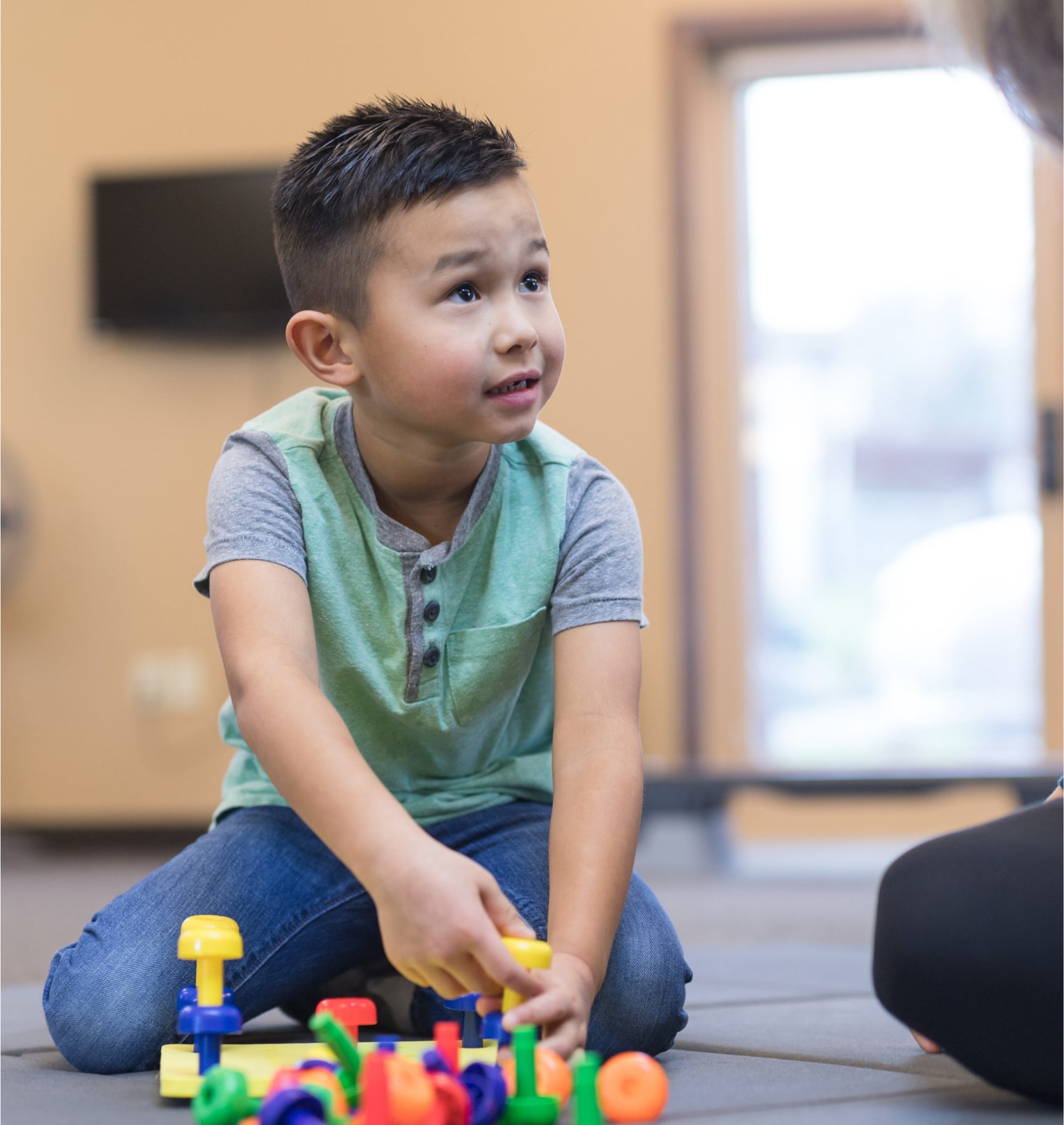
Children develop essential physical, sensory, cognitive, and coordination skills through everyday experiences and play. When developmental challenges interfere with these skills, occupational therapy can help children participate more confidently and independently at home, at school, and in the community.
Treatment may address:
Developmental delays and motor coordination
- Developing hand-eye coordination and visual-motor integration.
- Improving postural control, balance, and coordination during play.
- Building fine motor skills for drawing, writing, grasping, and manipulating objects.
- Supporting participation in age-appropriate daily activities.
Autism spectrum disorder (ASD) and ADHD
- Supporting participation in activities that require attention, organization, and self-regulation.
- Identifying sensory and environmental factors that affect engagement.
- Adapting activities and environments to support successful participation.
- Developing practical strategies for everyday routines.
Plagiocephaly and torticollis
- Supporting symmetrical positioning and functional movement.
- Encouraging comfortable head positioning, reaching, and exploration during play.
- Helping caregivers understand positioning and handling strategies appropriate to the child’s needs.
Toe walking and sensory-motor challenges
- Exploring sensory and movement factors that may contribute to difficulties with walking and weight-bearing.
- Supporting balance, foot stability, body awareness, and participation in functional movement activities.
- Collaborating with other healthcare professionals when additional assessment is needed.
Cerebral palsy and other neurological conditions
- Improving functional use of the hands and upper extremities.
- Supporting positioning and postural stability during daily activities.
- Identifying adaptive equipment to assist with feeding, dressing, and other routines.
- Exploring assistive technology and environmental adaptations to promote participation and independence.
Adult Occupational Therapy
For adults, occupational therapy focuses on restoring function and finding practical ways to manage daily activities when pain, injury, weakness, or neurological conditions interfere with normal routines.
Treatment may include:
Hand and upper-extremity rehabilitation
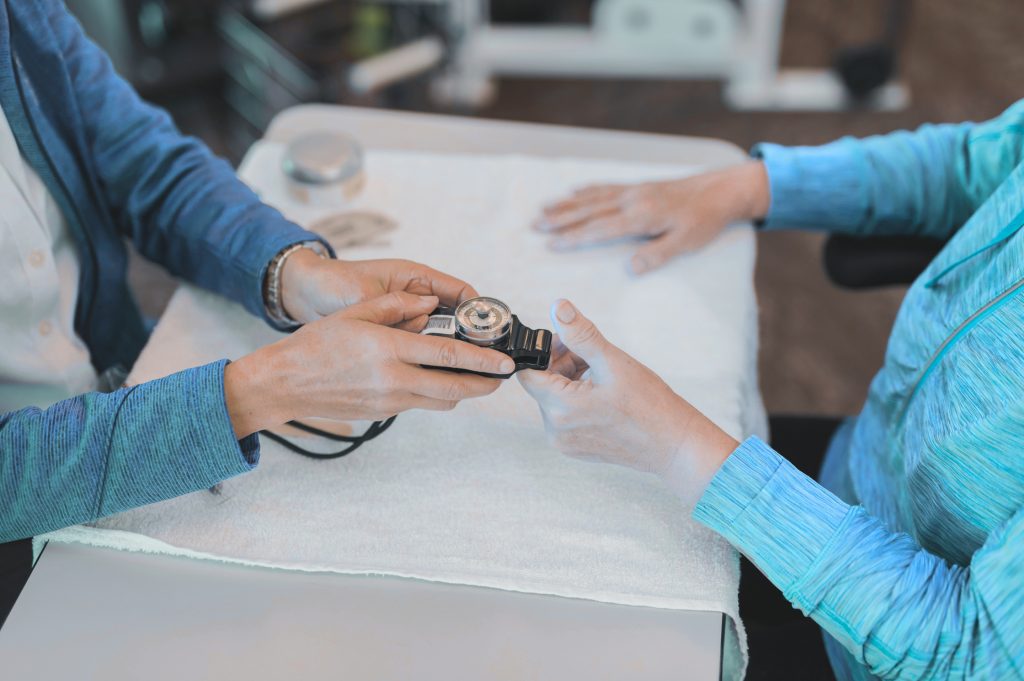
- Improving range of motion, strength, coordination, and dexterity.
- Addressing functional limitations following injury, surgery, or musculoskeletal conditions.
- Supporting recovery of grip, grasp, and precise hand movements.
- Developing strategies to return to work, hobbies, and everyday tasks.
Neurological rehabilitation
- Improving coordination and functional use of the upper extremities following neurological injury or illness.
- Practicing everyday tasks in a structured, goal-oriented way.
- Identifying compensatory techniques and adaptive equipment when needed.
- Promoting independence in personal care and daily routines.
Musculoskeletal and post-operative rehabilitation
- Restoring comfortable movement and functional capacity following injury or surgery.
- Using therapeutic exercise and manual techniques when appropriate.
- Modifying activities to reduce unnecessary strain while recovering.
- Providing ergonomic guidance and practical strategies for daily activities.
Daily living skills and functional independence
- Practicing activities such as dressing, grooming, eating, and household tasks.
- Identifying barriers that make everyday activities difficult.
- Recommending appropriate tools, task modifications, or environmental changes.
- Helping patients regain confidence and independence in their routines.
Occupational Therapy and Physical Therapy: Working Together
Occupational therapy and physical therapy share many clinical approaches, including therapeutic exercise, mobility training, strengthening, and manual therapy. Both aim to improve physical function and help patients achieve their rehabilitation goals.
The difference often lies in the primary focus of treatment.
Physical therapy generally emphasizes movement, mobility, strength, balance, walking, and the physical capacities needed for functional activity.
Occupational therapy emphasizes how those physical abilities translate into everyday tasks, including hand function, coordination, self-care, work, play, and independence. OTs also consider how adapting a task, using specialized equipment, or changing the environment can help someone participate more successfully.
For example, a patient recovering from shoulder surgery may benefit from physical therapy to restore shoulder mobility and strength. Occupational therapy may build on that progress by helping the patient dress independently, reach kitchen shelves, or return to work with appropriate movement strategies and adaptations.
These roles are complementary, not rigidly separated. Depending on the patient’s needs and the therapist’s expertise, both disciplines may use overlapping treatment techniques.
At Tokyo Rehabilitation, we value this collaborative approach and tailor treatment to the individual rather than relying on a one-size-fits-all distinction between disciplines.
Our Approach to Occupational Therapy
We believe rehabilitation should be meaningful, practical, and connected to your personal goals.
Our approach may include:
- Individualized assessment: Understanding your abilities, challenges, daily routines, and priorities.
- Hands-on treatment: Using appropriate manual techniques to address pain, mobility restrictions, and movement limitations.
- Functional training: Practicing relevant tasks to improve coordination, movement, and independence.
- Adaptive strategies: Finding practical ways to accomplish everyday activities while recovering or managing long-term conditions.
- Home and environmental recommendations: Identifying modifications, equipment, and strategies that support participation outside the clinic.
- Family and caregiver education: Providing practical guidance to help support progress at home and in other everyday settings.
Treatment is adapted to each person’s age, abilities, goals, and clinical needs.
Meet Our Occupational Therapist
Masataka (Masa) Okamura
Occupational Therapist & Remedial Massage Therapist
Masa is a licensed Occupational Therapist in Japan with more than 20 years of clinical experience spanning orthopedic rehabilitation, hands-on manual therapy, and pediatric support. He also holds an Australian Diploma of Remedial Massage from TAFE NSW.
His clinical interests include musculoskeletal conditions, shoulder rehabilitation, functional movement, and supporting children with physical and developmental challenges. Masa combines hands-on treatment with individualized movement training and practical strategies designed to help patients improve their function in everyday life.
He takes a patient-centered approach, adapting treatment to each person’s needs and focusing on meaningful, achievable goals.
Take the Next Step
Whether you are seeking support for your child’s development, recovering from an injury or surgery, or looking to improve hand function and independence, occupational therapy can help you work toward your personal goals.
Contact Tokyo Rehabilitation to discuss your needs and determine whether occupational therapy may be appropriate for you or your child.