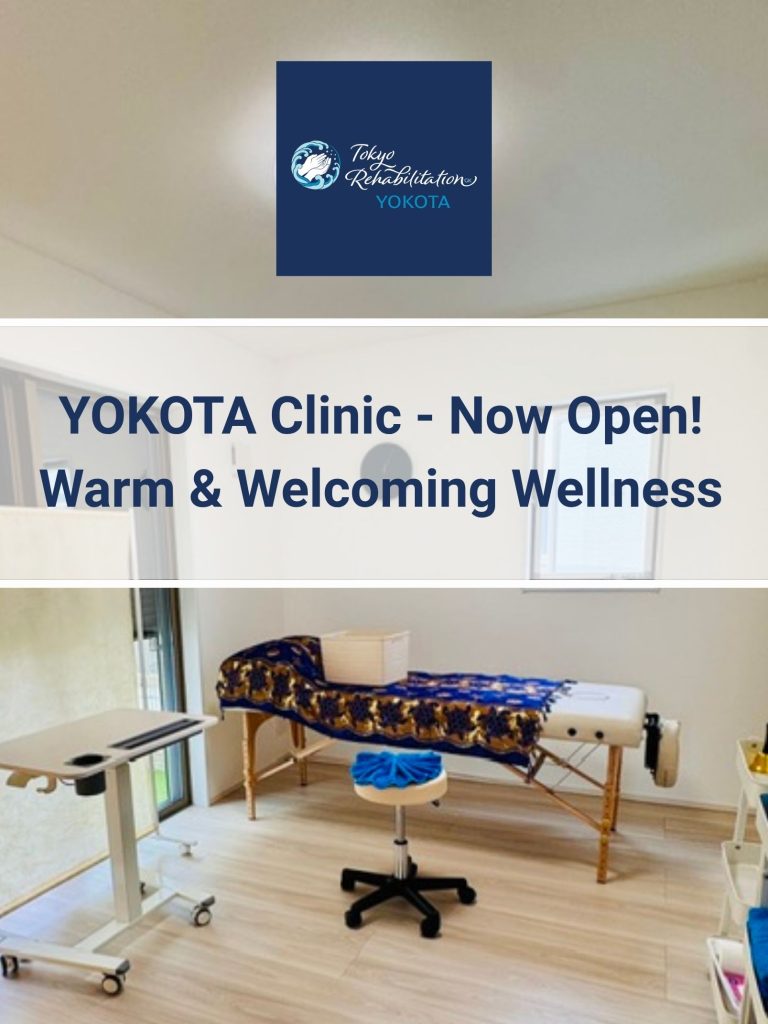
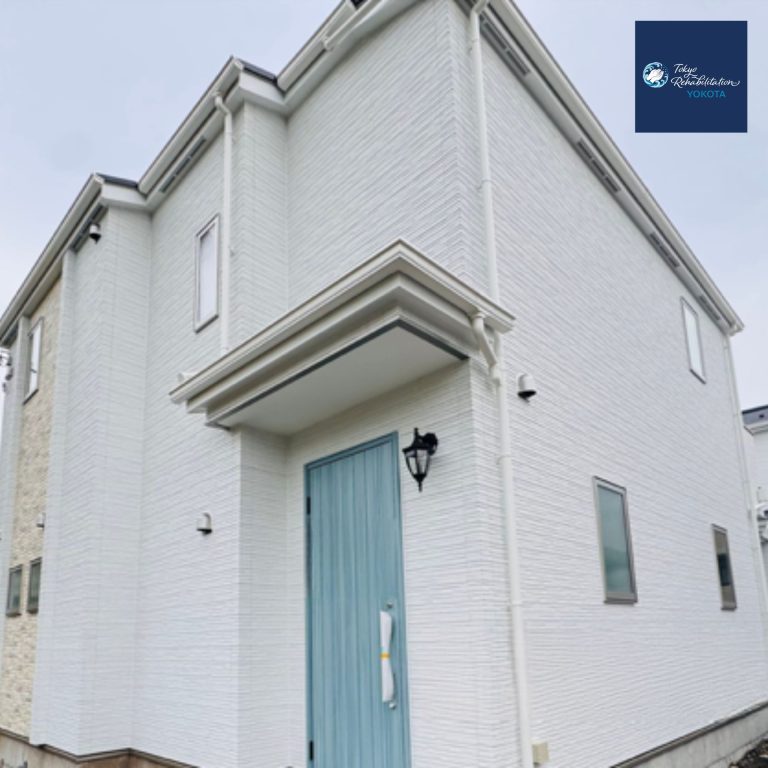
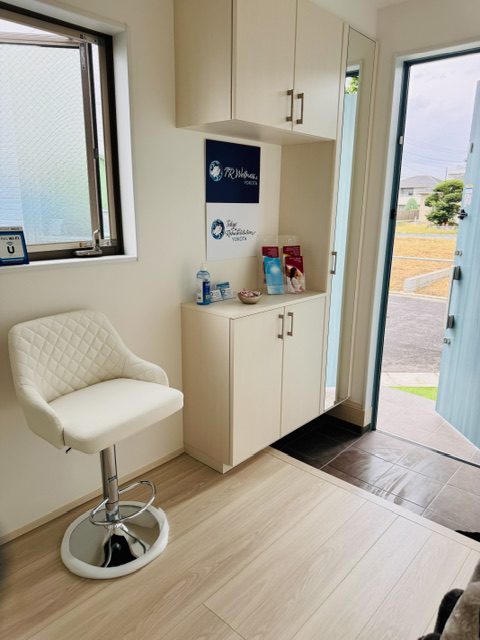
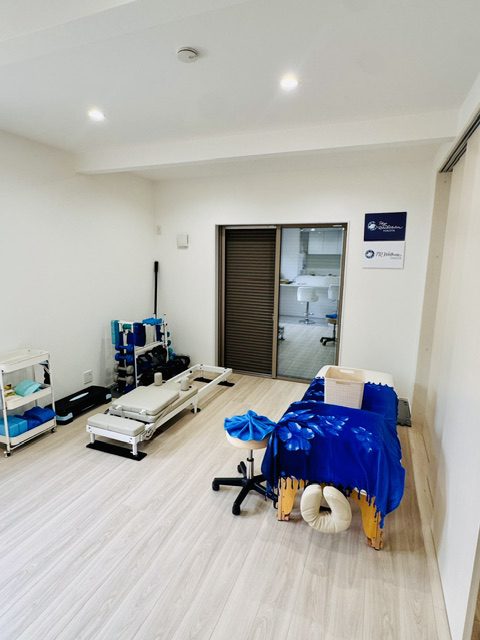
Top Physiotherapy in Yokota | Tokyo Rehabilitation
.Busy Tokyo lifestyles or military duties near Yokota Air Base can take a heavy physical toll on your body.
Whether you are struggling with lower back pain, recovering from a sports injury, or seeking massage services, quality care matters. Tokyo Rehab’s Wellness treatments bring world-class care to your door.
Tokyo Rehab takes a holistic approach to physical therapy and sports recovery. This strategy pinpoints and treats the root cause of your pain.
Treatments are a combination of US-certified and Japan-licensed physiotherapy techniques designed to offer one-on-one customized treatments with no doctor’s referrals.
Patients can choose targeted bodywork treatments to recover from injury. These therapies help restore daily activity without pain.Our team of specialists integrates cutting-edge physical therapy and traditional Japanese methods to offer a safe, comfortable, and effective healing environment.
Yokota-based Services Include:
- One-on-One Physiotherapy
- Sports Injury and Rehabilitation
- Women’s Health and Pelvic Floor Rehabilitation
- PRRT, Osteopathy, Clinical Pilates
- General and Pediatric Physiotherapy
- Stretching and Fitness for Dancers
- Animal Flow Fundamentals
- Learn to Run with expert guidance
- Handstand Training Program
- Deep Tissue Massage, Pre-Natal Massage, Sports Massage and Thai Massage
Why seek treatments at Tokyo Rehab's Yokota Clinic?
Finding English-speaking medical care in Japan can often present real challenges for expatriates. Navigating health services without clear communication creates unnecessary stress during treatment.
The Yokota-based clinic solves this problem by offering accessible care for foreign residents. Active military personnel stationed nearby also benefit from these high-quality healthcare services. Every specialist on-site helps eliminate language barriers throughout your physical recovery.
Our Yokota facility understands the diverse needs of our clients, and that is why:
There is no need for a doctor’s referral. You can book an appointment directly and start your physical therapy without waiting for external paperwork or approval.
We offer TRICARE-certified physiotherapy treatments. Active-duty service members and covered dependents can utilize their military health benefits without added stress.
Our staff of native English-speaking and Japanese-speaking practitioners are available to help. Clear communication ensures you fully understand your rehabilitation plan, exercise technique, and recovery timeline every step of the way.
We schedule flexible appointment options to fit demanding military and professional routines. Our team creates customized treatment plans that match your exact lifestyle demands. You receive dedicated, one-on-one attention during every rehabilitation session.
What to expect from a Tokyo Rehab session
During a session, the physical therapist reviews the patient’s case history and goes through their current activity levels and any limitations they might be experiencing.
The patient is tested for range of motion to determine which muscles need to be strengthened and which joints require more flexibility. Following the evaluation, the therapist develops a customized treatment plan.
The plan will also incorporate recommendations for stretches and other physical exercises to do at home between the therapy sessions. Since the Tokyo Rehab treatment is always one-on-one, your progress will be monitored to help accelerate the healing process.
Yokota Physiotherapy: The Most Common Mistakes to Avoid
Physiotherapy is a complex, highly specialized form of treatment designed to restore mobility, function, and physical well-being.
Because recovery requires daily effort and proper technique, individuals frequently make common mistakes during their rehabilitation journey.
Making these recovery mistakes can severely compromise your healing process. They often delay overall rehabilitation timelines and cause secondary injuries.
The most common mistakes to avoid when undergoing physiotherapy include:
Working out when experiencing sharp pain
It is strongly advised against continuing to exercise or push through workouts when your body signals sharp, acute pain.
Pain serves as a critical internal warning and protective mechanism, directly indicating that tissue damage may be occurring or that an existing injury is being aggravated.
Never push through discomfort during a training session. Stop the activity immediately and consult a healthcare specialist. They can diagnose the root cause before you continue.
Being inactive when the body needs movement
Severe, acute injuries often require temporary bed rest and limited movement. However, conditions like arthritis and chronic pain require consistent action. Controlled movement helps maintain long-term functional mobility. Staying active ultimately supports your overall healing process.
Remaining completely stagnant can cause joint stiffness, muscle atrophy, and prolonged stiffness.
Work closely with your therapist throughout your recovery journey. They will guide you through modified physical activities that accelerate healing. These targeted exercises keep the injured area fully protected.
Forcing a muscle to stretch when it is not ready
Attempting to forcefully stretch a muscle group that is severely guarded, inflamed, or overly tense can inflict significant trauma on the delicate muscle fibers and potentially trigger painful tears.
When a muscle is hyper-reactive, aggressive pulling triggers a protective stretch reflex that causes it to tighten even further.
To prevent further localized damage, it is essential to first use targeted techniques—such as heat therapy, gentle range-of-motion work, or soft-tissue release—to help the tissue relax before attempting any deep lengthening exercises.
Focusing only on strengthening muscles and not on the joints
A widespread error among patients is focusing exclusively on isolating and strengthening individual muscle groups while ignoring the mechanics of the surrounding structural joints.
Proper body movement relies heavily on joint stability, alignment, and smooth articulation, meaning that isolated muscle isolation often addresses only half of the functional equation.
By actively targeting joint mobilization, tracking, and stabilization alongside muscle conditioning, you create a far more efficient, holistic recovery strategy that yields better long-term functional results.
Delaying treatment for a minor condition
Many individuals make the mistake of dismissing minor physical issues, such as mild muscle strain or slight joint stiffness, assuming these small discomforts will simply resolve on their own over time.
However, even minor biomechanical issues can alter your movement patterns, leading to compensatory stress, persistent chronic inflammation, or permanent joint damage down the road.
Seeking immediate, professional evaluation allows for early intervention, ensuring a much faster recovery window and preventing manageable minor strains from escalating into complex, long-term ailments.
Yokota Recovery Guidance
Avoiding these common errors keeps your rehab progress moving forward. Working directly with trained specialists protects your body and prevents secondary issues.
Proper technique and professional guidance ensure a safer, faster path back to full mobility. Listening to your body minimizes unnecessary setbacks during treatment. Consistent communication with your provider guarantees optimal long-term results.
FAQs
Do I need a doctor’s referral to book an appointment at Tokyo Rehabilitation’s Yokota clinic?
Patients do not need a doctor’s referral to book an appointment. You can book your appointment directly with Tokyo Rehabilitation.
Does Tokyo Rehab’s Yokota clinic accept TRICARE?
Yes, the clinic is TRICARE-certified and accepts patients with TRICARE benefits.
What types of injuries can be treated at the Yokota clinic?
The clinic offers treatment for a wide range of injuries.
Does the facility offer treatment in English?
Yes, all doctors and therapists at Tokyo Rehabilitation are fluent in both Japanese and English.
What is the difference between PRRT and regular massage therapy?
Unlike regular massage therapy, PRRT is a system of releasing the tight muscles using a unique set of techniques.
Can children receive physical therapy at Tokyo Rehab’s Yokota clinic?
Yes, the facility offers general and pediatric physiotherapy treatments for children of all ages.
What should I wear to my therapy session?
It is advisable to come to the therapy session wearing athletic clothing.
Take the First Step Toward Pain-Free Movement
Whether you are navigating the recovery process after an unexpected physical injury, managing persistent chronic discomfort, or simply striving to optimize your daily functional mobility and performance, the dedicated team of experienced specialists at Tokyo Rehabilitation is fully equipped to support your personal journey.
We understand that physical limitations can significantly impact your quality of life, which is why our approach focuses on identifying the root cause of your movement challenges rather than just managing temporary symptoms. By delivering highly customized treatment strategies tailored specifically to your body’s unique structural needs, we help you regain strength, improve flexibility, and build long-term physical resilience.
Contact our Yokota clinic today to schedule your comprehensive, private one-on-one session with our skilled practitioners, and start taking concrete steps toward reclaiming your active, pain-free lifestyle.
About Tokyo Rehabilitation
Founded by Mari Gish, PT, Tokyo Rehabilitation has served the English-speaking community in Japan for over 40 years. With state-of-the-art clinics in Shirokane, Minato-ku (Tokyo) and Kadena (Okinawa), our team of U.S.- and Japan-licensed physical therapists, osteopaths, and Pilates specialists provides compassionate, 1-on-1 rehabilitation and holistic wellness support.
We specialize in orthopedic and sports rehabilitation, Men and Women’s Pelvic Health, pre- and postnatal care, pediatric physical therapy, neurological recovery, specialized manual care, osteopathic techniques, and sympathetic nervous system downregulation. We accept international insurance policies and serve as an overseas Tricare provider.
Navigating a foreign healthcare system doesn’t have to mean compromising on the quality or style of your recovery. While Japanese National Health Insurance clinics offer an accessible option for quick, passive relief, private 1-on-1 physical therapy/physio bridges the cultural and linguistic gap for foreign residents who need comprehensive, active rehabilitation. By understanding how both models operate, you can confidently choose the pathway that best fits your specific injury, lifestyle goals, and peace of mind. If you are ready to tackle pain at its root with personalized, English-speaking care in Tokyo or Okinawa, reaching out to a dedicated physical therapy team is your best first step toward living fully and pain-free in Japan.
To learn more or schedule an appointment:
- Visit our website and book your appointment today so we can hear your story, assess your movement, and design a plan tailored to you. Tell us briefly what you are dealing with, and we will help match you with the right clinician.
- Call us directly; for all appointments, please call 03-3446-1682 or email us at info@tokyorehab.com
- Bring your questions. We will explain our findings in clear language and discuss how manual therapy, exercise, and lifestyle changes can work together for you.
- Tokyo Clinic: NIC Haimu Bldg, Suite 504, 3-4-1 Shirokane, Minato-ku, Tokyo 108-0072
- Okinawa Clinic: Lagoon Palace 4th Floor, 6 Chome-22-13 Mizugama, Kadena, Okinawa 904-0204
- Yokota Clinic: 697-22 Fussa, Fussa-shi Tokyo 197-0011