
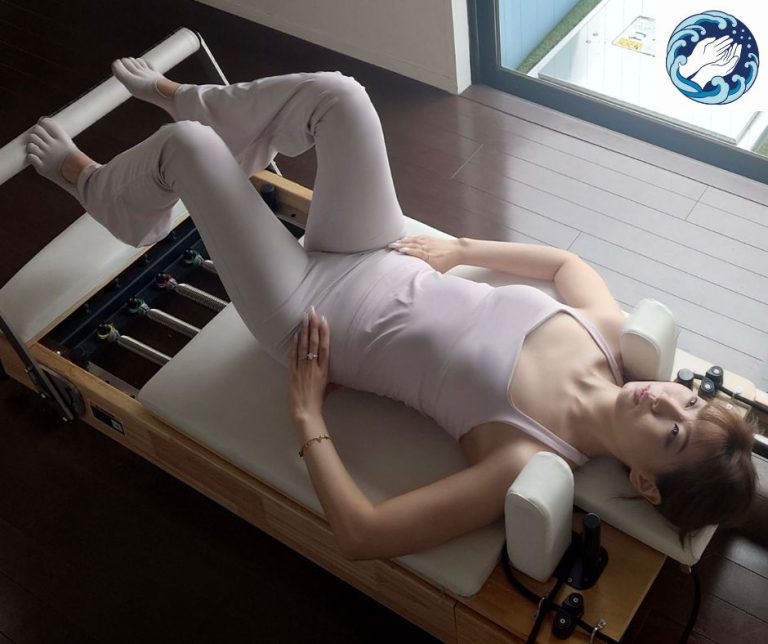
One of the most common questions we hear from injured runners is, when can I run again? This question is completely natural. Running is not just exercise. For many of us, it is a lifestyle, a stress reliever, and a community. When an injury sidelights you, it feels like a piece of your identity is temporarily missing.
As physiotherapists, we recently completed an advanced course in Running Rehabilitation. We want to share what a smart, safe return to running actually looks like. The journey back to the pavement, track, or trail requires a deliberate approach. Therefore, we are excited to share this complete framework with you today.
Our team at Tokyo Rehabilitation understands the deep desire to lace up your shoes and get back out there. However, rushing the process often leads to a frustrating cycle of re-injury. Through Tokyo Rehab, we use evidence-based methods to help you break that cycle for good. Let’s explore how you can make your next comeback your most successful one yet.
For decades, standard medical advice for a running injury was simply to stop running and rest. While resting might temporarily reduce your acute pain, rest alone rarely solves a running injury. When you completely stop moving, your muscles, tendons, and joints actually lose their tolerance for stress. Consequently, when you return to running, the original problem often reappears because the underlying weakness remains unaddressed.
Your body needs the right load at the right time to heal effectively. Human tissues, especially tendons and bones, adapt and grow stronger when they are exposed to progressive, manageable stress. This biological principle is known as mechanotherapy. Therefore, active recovery is almost always superior to complete, passive rest.
That is why we work with you through a structured plan. At Tokyo Rehab, we do not just tell you to sit on the couch. Instead, we design an active strategy that keeps you moving safely. This approach ensures that your cardiovascular fitness and tissue resilience are preserved as much as possible during recovery.
Our systematic approach starts from reducing your pain, rebuilding your strength, and then gradually reintroducing running in a way your body can handle. This step-by-step progression removes the guesswork from your rehabilitation. By listening to your tissues and adjusting the load, Tokyo Rehabilitation ensures a smooth transition back to your sport.
A good return to running follows clear stages. First, we focus on settling the injury. This initial phase is all about calming the irritated tissues down so that we can begin the real work. However, reducing pain is only half the battle.
Crucially, we emphasize understanding what is actually causing the problem, not just where it hurts. For instance, knee pain is rarely just a knee problem. It is frequently the result of poor hip stability or limited ankle mobility. By looking at the whole picture, Tokyo Rehabilitation uncovers the biomechanical culprits behind your discomfort.
During this assessment phase, your clinician at Tokyo Rehab will examine your movement patterns. We look at how you move, how you balance, and where your body might be compensating. This thorough investigation allows us to create a highly targeted plan tailored specifically to your unique anatomy.
Once we identify the drivers of your injury, we can modify your daily activities to allow healing. We rarely advocate for complete rest unless a structural issue, like a stress fracture, demands it. Instead, we find your “optimal loading zone,” which is the amount of movement you can do without worsening the injury.
From there, we rebuild your foundation through strength and conditioning. Think of your body as a car. If you put a high-powered racing engine into a weak chassis, the vehicle will eventually break apart. Strength training builds a robust chassis that can easily handle the repetitive forces of running.
Every single time your foot hits the ground, your body absorbs forces equal to two to five times your body weight. If your muscles cannot absorb this impact, the shock travels directly into your joints and bones. Therefore, targeted strengthening is your best insurance policy against future injuries.
We focus heavily on specific muscle groups, particularly targeting the hips, glutes, and legs. Your gluteus medius and maximus act as primary stabilizers for your pelvis and knees during the single-leg stance phase of running. Strengthening these areas prevents the biomechanical collapses that often lead to overuse conditions.
Many runners are surprised how big a role this plays. They often view themselves purely as endurance athletes who do not need weights. However, lifting weights improves your running economy, power, and tissue resilience. At Tokyo Rehab, we bridge the gap between strength training and endurance performance.
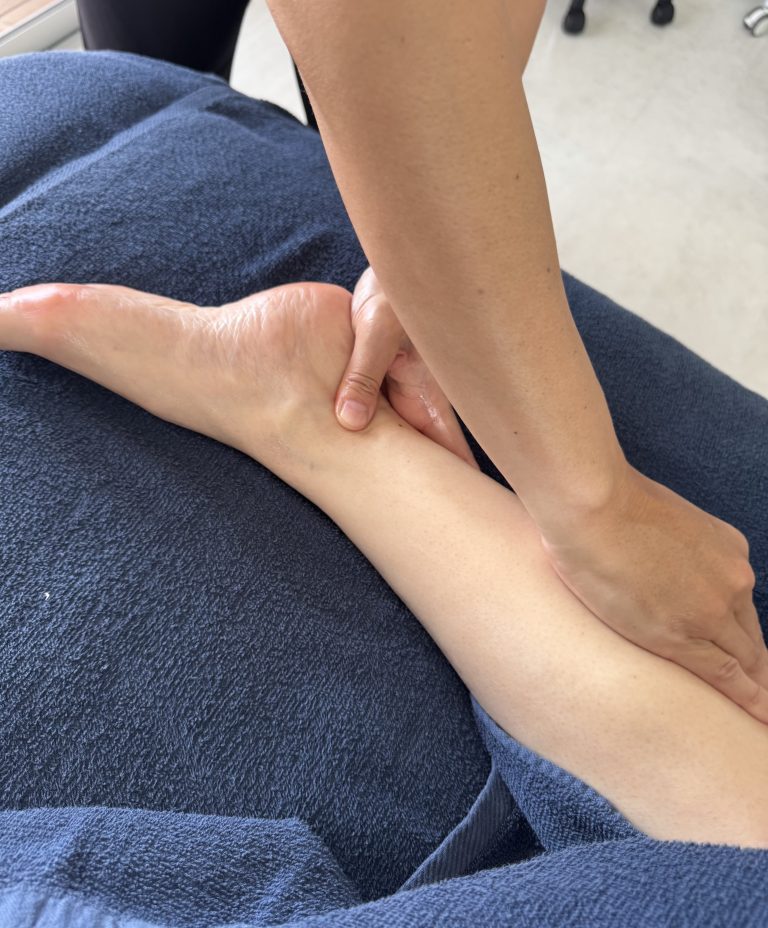
While the hips and glutes get a lot of attention, your lower leg is your first line of defense. The calf muscles, consisting of the gastrocnemius and soleus, work alongside the Achilles tendon to store and release energy. In fact, the soleus muscle forces during running can exceed eight times your body weight!
If your calves are weak, your stride loses its springiness. As a result, other structures like your plantar fascia or shins have to work overtime. At Tokyo Rehabilitation, we ensure that your lower leg conditioning matches the specific demands of your running style.
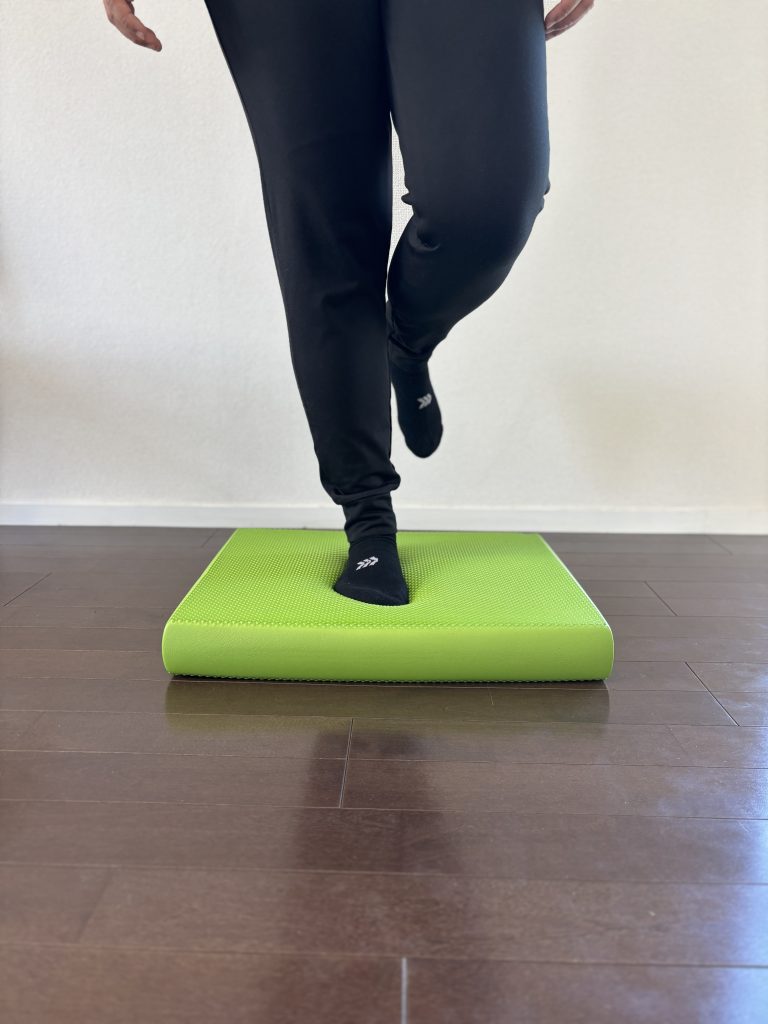
We often implement exercises like heavy calf raises, bent-knee calf raises, and single-leg balance drills. These movements directly build endurance in the deep muscles of the lower leg. Additionally, we focus on intrinsic foot strength to ensure a stable base of support for every step.
By building this comprehensive foundation, your body becomes incredibly resilient. You will feel more stable, more powerful, and significantly less vulnerable to aches. This preparation ensures that your transition back to actual running is highly successful.
Once you possess a strong foundation and can walk pain-free, we move into run-walk intervals. This stage is incredibly exciting for injured athletes because it marks the return to the sport they love. However, patience remains paramount during this delicate transition phase.
We start small and build gradually over weeks, always listening to how your body responds. A run-walk program breaks up the continuous impact of running with brief walking recovery periods. This strategy allows your tissues to recover in real-time, preventing the accumulation of excessive micro-trauma.
A typical starting point might involve running for just one minute, followed by walking for one minute, repeated five times. To an avid runner, this layout might feel painfully slow or overly cautious. Yet, this systematic method allows us to safely test your bone and tendon tolerance.
As your confidence and capacity grow, we increase distance and intensity step by step. We track how your body feels during the run, immediately afterward, and the next morning. Next-day symptoms are excellent indicators of whether the previous day’s load was appropriate or excessive.
For those of you who play sports or compete, the goal isn’t just running again. It is returning to full performance. Crossing the finish line of your rehab is not just about jogging without pain. It is about feeling fast, agile, and completely confident in your athletic abilities.
Competitive sports demand rapid accelerations, sudden decelerations, and swift lateral movements. These actions place vastly different stress on your body than straight-line jogging does. Therefore, your rehabilitation must reflect these specific athletic requirements.
At Tokyo Rehab, we look closely at your movement patterns under high-velocity conditions. We analyze your landing mechanics during jumping and hopping drills. If your body cannot safely control a jump, it is not yet ready for the chaotic environment of a competitive game.
Furthermore, we assess your strength under load, ensuring your muscles can produce and absorb force rapidly. We look at how your body handles speed and changes of direction. This comprehensive screening ensures you come back ready to perform at your highest level.
An essential aspect of performance rehabilitation is evaluating your running form. Small adjustments to your biomechanics can dramatically reduce the stress placed on vulnerable tissues. At Tokyo Rehabilitation, we utilize video gait analysis to observe your stride in real-time.
For example, we frequently look at cadence, which is the number of steps you take per minute. A low cadence often means you are overstriding. Overstriding acts like a brake, sending massive braking forces up through your heel, shin, and knee joint.
By slightly increasing your cadence, you naturally land with your foot closer to your center of mass. This subtle shift significantly lightens the load on your knees and shins. Our team guides you through these gentle cues to optimize your efficiency.
We also examine pelvic drop and trunk lean during your stride. Ensuring your torso leans slightly forward from the ankles can alleviate pressure on your lower back and knees. These micro-adjustments pave the way for a more efficient, pain-free running style.
Once you are running continuously, managing your training volume is vital for long-term success. Many runners fall into the trap of increasing their distance too quickly. The human body adapts beautifully, but it requires adequate time to do so.
A classic rule of thumb is the “10 percent rule,” which suggests never increasing weekly mileage by more than 10 percent. While this is a helpful baseline, it is occasionally too rigid or too generous depending on the individual. We prefer to look at your acute-to-chronic workload ratio.
This ratio compares how much running you did this week to your average over the past month. Keeping this relationship balanced prevents sudden spikes in training stress. At Tokyo Rehab, we help you map out your mileage intelligently to ensure safe progression.
We also emphasize the inclusion of scheduled recovery weeks. Every third or fourth week, we intentionally reduce training volume by 20 to 30 percent. This deliberate decompression gives your structural system a chance to absorb the training and build back stronger.
Physical exercises are only one piece of the rehabilitation puzzle. Your body cannot repair muscle tissue or rebuild bone strength without proper fuel and rest. Therefore, lifestyle factors play a massive role in your recovery timeline.
Sleep is your absolute best performance-enhancing strategy. During deep sleep, your body releases human growth hormone, which is essential for tissue repair. Aiming for seven to nine hours of high-quality sleep each night can significantly accelerate your physical healing.
Nutrition is equally critical during your return-to-running journey. Consuming adequate protein provides the necessary amino acids to rebuild muscles and tendons. Additionally, ensuring sufficient caloric intake prevents your body from entering a energy-deficient state that stalls healing.
Finally, we must acknowledge the psychological impact of being injured. It is completely normal to feel frustrated, anxious, or fearful of re-injury when you start running again. Our team at Tokyo Rehabilitation provides a supportive environment to help you build mental confidence alongside physical strength.
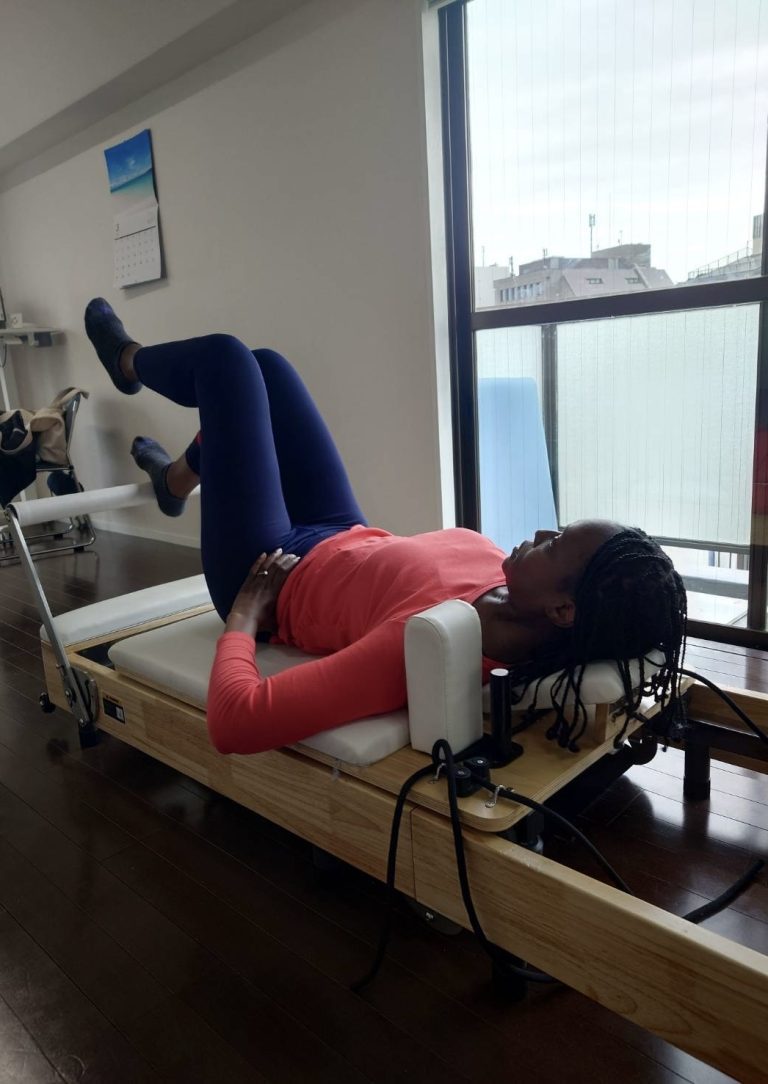
Every runner is different, and your injury, your goals, and your body all matter. A cookie-cutter protocol found online cannot account for your specific history or unique biomechanical traits. That is why personalized care is at the heart of everything we do.
Whether you are trying to complete your very first 5k or aiming to qualify for a major marathon, your path is uniquely yours. We take the time to listen to your story, understand your concerns, and align our clinical expertise with your personal aspirations.
Our clinicians at Tokyo Rehab are dedicated to empowering you with knowledge. We want you to understand your body so you can recognize early warning signs of overload. This education transforms you from a passive patient into an active manager of your athletic health.
We are here to guide you through this process so you come back stronger, not just sooner. Your injury is not the end of your running journey; it is simply a challenging chapter. With the right strategy, this setback can become the foundation for your greatest running achievements.
Reach out to us at Tokyo Rehabilitation, and let’s build your comeback plan together. We are ready to support you every step of the way.
Our Tokyo Office features a specialist with advanced training in return-to running rehabilitation, ready to design your custom comeback plan. Whether you prefer an in-person evaluation in our Tokyo Rehab facility or the flexibility of a virtual appointment from the comfort of your home, we provide the expert guidance you need to safely lace up your shoes again.
To learn more and schedule an appointment:
If you enjoyed this article, please also see: Sports and Physical Therapy: From Injury to Comeback