
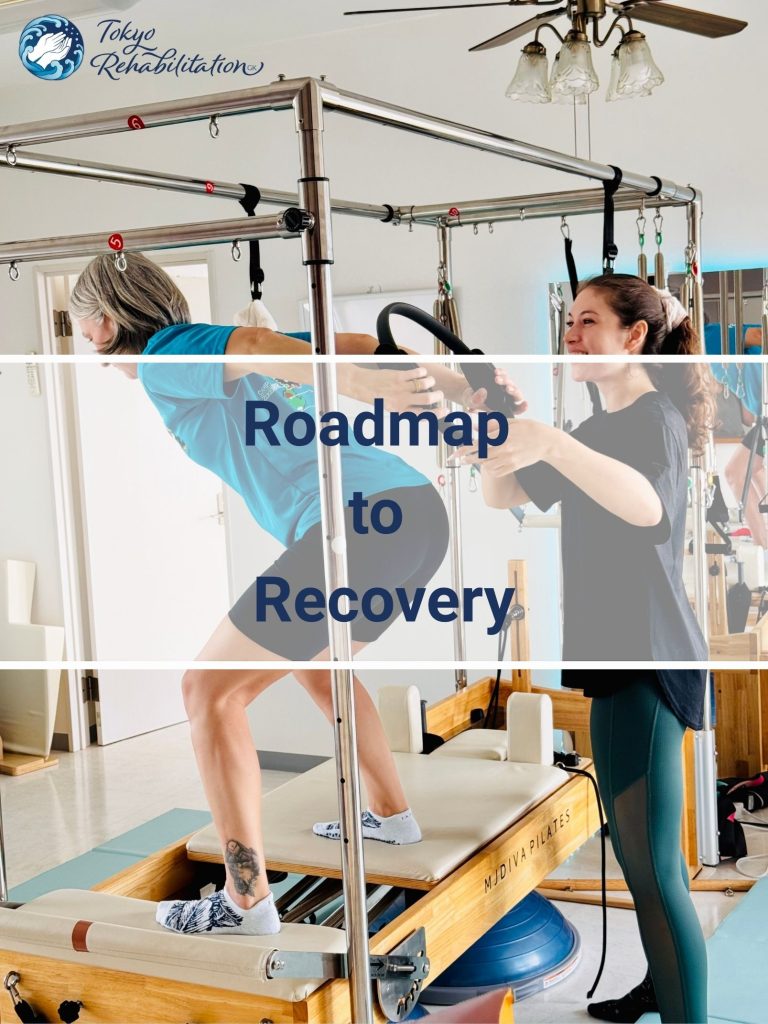
Surgery represents a major milestone in any medical journey. It is often the result of months or years of chronic pain or acute injury. Many patients view the operation as the finish line. However, expert clinicians at Tokyo Rehabilitation suggest a different perspective altogether. They view the surgical event as the midpoint of a much longer process. This process includes two vital phases: “pre-hab” and “rehab.”
Understanding the distinction between these phases is crucial for success. You must prepare your body before the surgeon ever picks up a scalpel. Simultaneously, you must commit to a structured recovery plan afterward. This comprehensive guide explores why both phases matter equally. We will look at how Tokyo Rehab optimizes these stages for every patient. By the end, you will understand how to maximize your surgical outcome.
Pre-surgery physical therapy is often called pre-habilitation or “pre-hab.” It involves strengthening the body before an operation takes place. Many people wonder why they should exercise a joint that is already damaged. The logic is actually quite simple and scientifically sound. A stronger body recovers much faster from trauma than a weak one. This phase focuses on range of motion, muscle mass, and mental readiness.
At Tokyo Rehabilitation, the goal of pre-hab is to minimize functional loss. Every surgery causes some degree of temporary weakness and inflammation. If you start with higher strength, your “baseline” remains higher after the procedure. Think of it like a bank account for your physical health. You are making deposits now so that the surgical “withdrawal” doesn’t leave you bankrupt. This proactive approach changes the entire trajectory of your healing.
Pre-hab directly impacts how your tissues respond to surgical intervention. Specifically, it improves local blood circulation in the affected area. Better blood flow means that essential nutrients reach the site faster. This speeds up the initial healing of incisions and internal structures. Furthermore, pre-hab helps to reduce preoperative swelling and edema. This makes the surgeon’s job easier and more precise.
Research shows that pre-operative exercise reduces the risk of complications. For example, lung capacity often drops after general anesthesia. Tokyo Rehab therapists teach breathing exercises before the surgery occurs. This helps patients maintain clear lungs and prevents post-operative pneumonia. Additionally, pre-hab can significantly decrease the length of your hospital stay. Most patients want to return home as quickly as possible.
Surgery is a stressful event for the mind and the body. Pre-hab sessions at Tokyo Rehab provide a space to address these anxieties. Your therapist will explain exactly what the first week of recovery looks like. Knowing the plan reduces the fear of the unknown. You will learn how to use crutches or walkers before you are medicated. This ensures you are safe and confident during your first post-op steps.
Setting realistic expectations is another key component of this phase. Many patients expect to feel perfect immediately after their procedure. In reality, the first few days are often quite challenging. Your Tokyo Rehabilitation specialist will help you set small, achievable milestones. These benchmarks keep you motivated when the recovery process feels slow. Mental fortitude is just as important as physical strength during this time.
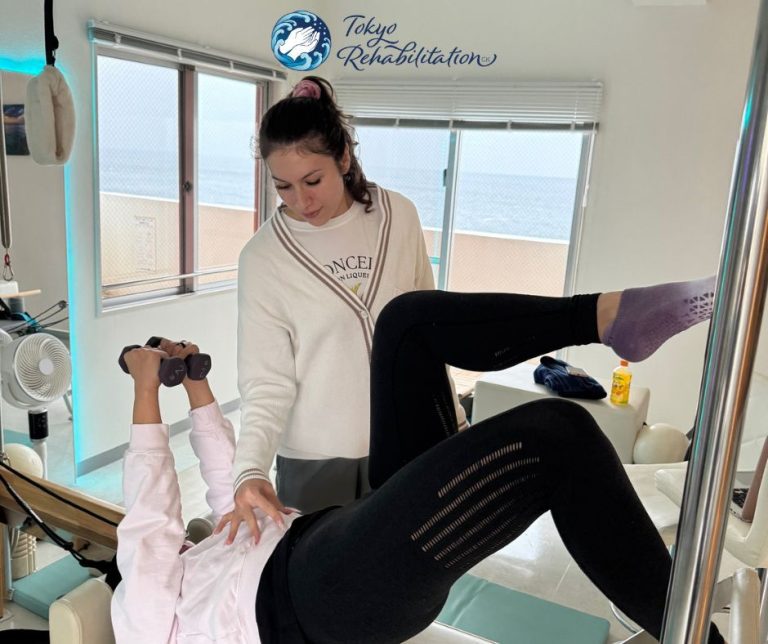
The post-surgery phase begins the moment you wake up in recovery. This stage is primarily focused on pain management and safety. You will likely feel groggy, sore, and perhaps a bit frustrated. However, early movement is the gold standard in modern medicine. Waiting too long to move can lead to stiff joints and blood clots. Tokyo Rehab emphasizes gentle mobility as soon as the surgeon gives the clearance.
During the first few days, the focus is on “active rest.” You must protect the surgical site while keeping the rest of the body moving. This involves simple ankle pumps and light muscle contractions. These small movements prevent Deep Vein Thrombosis, which is a serious risk. Pain levels are managed through a combination of medication and ice. Your therapist will guide you through this delicate balancing act.
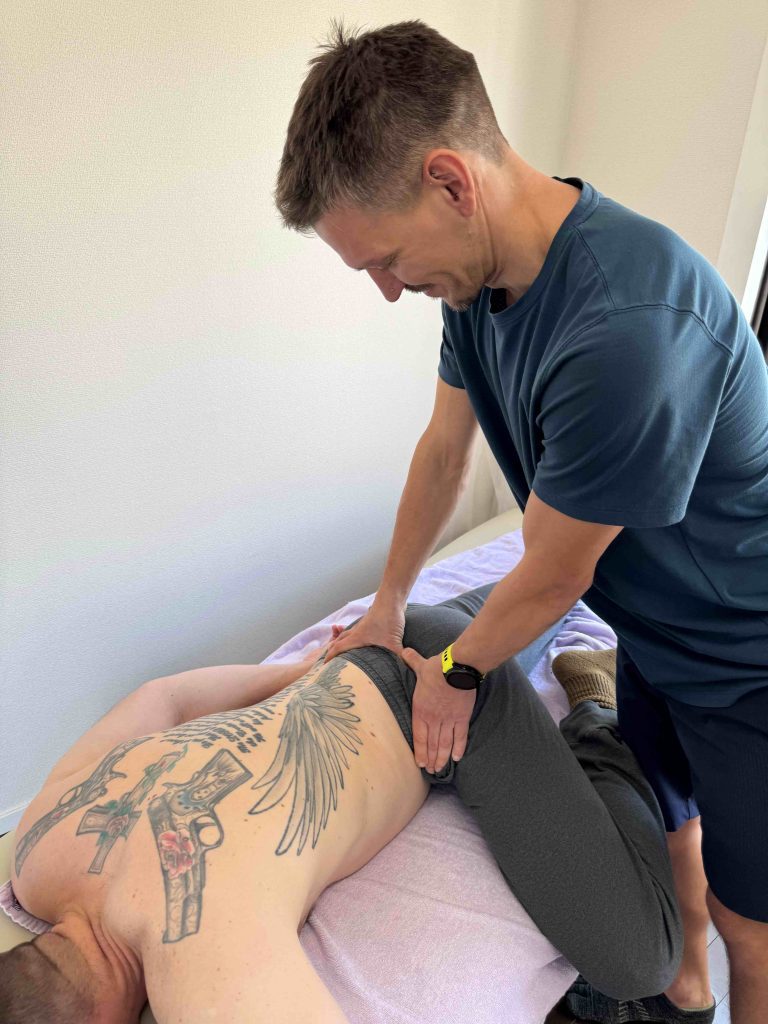
Inflammation is a natural part of the body’s repair mechanism. However, excessive swelling can actually delay the healing process. Post-surgery therapy at Tokyo Rehabilitation focuses on controlling this “internal fire.” We use compression, elevation, and specific manual therapy techniques. By reducing swelling, we allow the joint to move more freely. This prevents the formation of excessive scar tissue or “adhesions.”
Scar tissue is necessary for healing, but it can be problematic. If it grows too thick, it limits your final range of motion. Tokyo Rehab specialists use soft-tissue mobilization to keep scars pliable. We ensure that the layers of skin and muscle slide over each other. This prevents the “tight” feeling many patients describe after surgery. Proper tissue management in the early weeks is essential for long-term comfort.
Once the initial swelling subsides, we focus on regaining movement. Surgery often leaves a joint feeling stiff or “locked.” This is partly due to the trauma of the procedure itself. It is also due to the protective guarding of the surrounding muscles. At Tokyo Rehab, we use gentle stretching to regain every degree of motion. We prioritize “functional” range, which means the movement you need for daily life.
Consistency is the most important factor in regaining flexibility. You cannot force a joint to move; you must coax it. We provide patients with a daily home exercise program. These movements should be done several times a day in short bursts. This frequent stimulus tells the brain that the movement is safe. Over time, the nervous system relaxes and allows for deeper stretches.
Strength is only one part of the recovery equation. You also need to regain your sense of balance and coordination. This is technically known as proprioception, or “joint position sense.” Surgery often disrupts the tiny sensors in your ligaments and tendons. This can make you feel clumsy or unstable on your feet. Tokyo Rehab incorporates balance boards and foam pads into your sessions.
Regaining balance is crucial for preventing future falls and re-injury. We challenge your system by changing the surface you stand on. We might ask you to close your eyes or catch a ball. These drills force the brain to communicate more effectively with the limbs. This phase is especially important for athletes returning to sport. It is also vital for seniors who want to remain independent at home.
Recovery is rarely a straight line of constant improvement. There will be days when you feel great and days when you hurt. Tokyo Rehabilitation helps you navigate these “peaks and valleys” of healing. Generally, the first six weeks are about protection and basic mobility. Months two through four focus on building strength and endurance. The final phase involves returning to high-level activities and sports.
It is important to remember that every person heals at a different rate. Factors like age, nutrition, and sleep play a massive role. Some patients might finish their Tokyo Rehab program in three months. Others may require a full year to reach their maximum potential. We tailor our approach to your specific biological timeline and goals. Patience is a virtue, but persistence is the true key to success.
While both phases are linked, they have distinct physiological priorities. Pre-hab is about “buffering” the body against an upcoming trauma. You are trying to maximize your physical “savings” before a big expense. Conversely, post-surgery rehab is about “reconstructing” after the event has occurred. In pre-hab, we can be more aggressive with loading and intensity. In post-surgery rehab, we must be much more cautious and protective.
Tokyo Rehab views these two phases as a continuous spectrum of care. The information we gather during pre-hab informs your post-op plan. We already know your baseline strengths and your unique movement patterns. This allows us to hit the ground running once you are discharged. Transitioning from pre-to-post care within the same clinic ensures total continuity. This seamless transition is a hallmark of the Tokyo Rehabilitation experience.
What you eat significantly affects how your tissues repair themselves. Both before and after surgery, your body needs extra building blocks. Protein is the most critical nutrient for repairing muscle and skin. Tokyo Rehab encourages patients to increase their protein intake during recovery. You also need vitamins C and D, as well as zinc. These micronutrients support the immune system and collagen production.
Hydration is another often-overlooked factor in the recovery process. Water is necessary for transporting nutrients to the surgical site. It also helps the kidneys flush out the remnants of anesthesia. We recommend avoiding processed sugars, which can increase systemic inflammation. A “healing diet” supports the hard work you do in the gym. Think of food as the fuel for your Tokyo Rehabilitation journey.

The “middle” of the recovery process is often the hardest mentally. The initial excitement has faded, and the final goal still feels far away. Many patients experience a “plateau” where progress seems to stop. This is a normal part of the physiological healing process. Tokyo Rehab therapists act as coaches to help you push through. We remind you of how far you have come since day one.
Depression and frustration are common after major surgery or injury. Being unable to drive or work can take a heavy toll. We encourage our patients to stay socially active and engaged. Moving your body actually releases endorphins that improve your mood. Success in Tokyo Rehabilitation is about more than just physical metrics. It is about reclaiming your quality of life and your happiness.
For athletes, the goal is not just walking; it is performing. Returning to sport requires a very specific type of rehabilitation. You must be able to cut, jump, and sprint without pain. Tokyo Rehab uses “Return to Play” testing to ensure you are ready. We measure your strength and power on both sides of the body. We look for symmetry and confidence in your movement patterns.
Going back too early is the number one cause of re-injury. We act as a safety net to prevent you from rushing the process. We simulate the demands of your specific sport in the clinic. This might involve agility drills or sport-specific movement patterns. Our goal at Tokyo Rehabilitation is to make you better than before. We want you to step back onto the field with zero doubts.
The final stage of rehab is actually the beginning of a new lifestyle. We don’t want to see you back in the clinic for a new injury. Therefore, we focus heavily on education and long-term maintenance. You will learn how to maintain the gains you made during recovery. This involves a lifelong commitment to strength and mobility. Tokyo Rehab provides you with the tools to be your own therapist.
Physical therapy should change the way you move in the world. You will become more aware of your posture and your mechanics. You will understand the “warning signs” your body sends you. By addressing small issues early, you can avoid future surgeries. Tokyo Rehabilitation is your partner in long-term health and wellness. We celebrate your graduation from the program as a new beginning.
Every patient at Tokyo Rehabilitation receives a completely customized care plan. We do not believe in “cookie-cutter” protocols for surgery recovery. Your goals, your body, and your surgery are all unique to you. We listen to your concerns and adjust our techniques accordingly. This personalized attention is why so many people trust Tokyo Rehab. We are honored to be a part of your success story.
If you have a surgery scheduled, now is the time to start. Do not wait until after the operation to think about physical therapy. Contact Tokyo Rehabilitation to set up your pre-hab assessment immediately. Let’s work together to make your surgery a total success. We look forward to seeing you in the clinic very soon. Your future, pain-free self will thank you for the effort.
To learn more and schedule an appointment:
If you enjoyed this article, please also see: All-Hands: Human Touch Meets Electrical Stimulation