
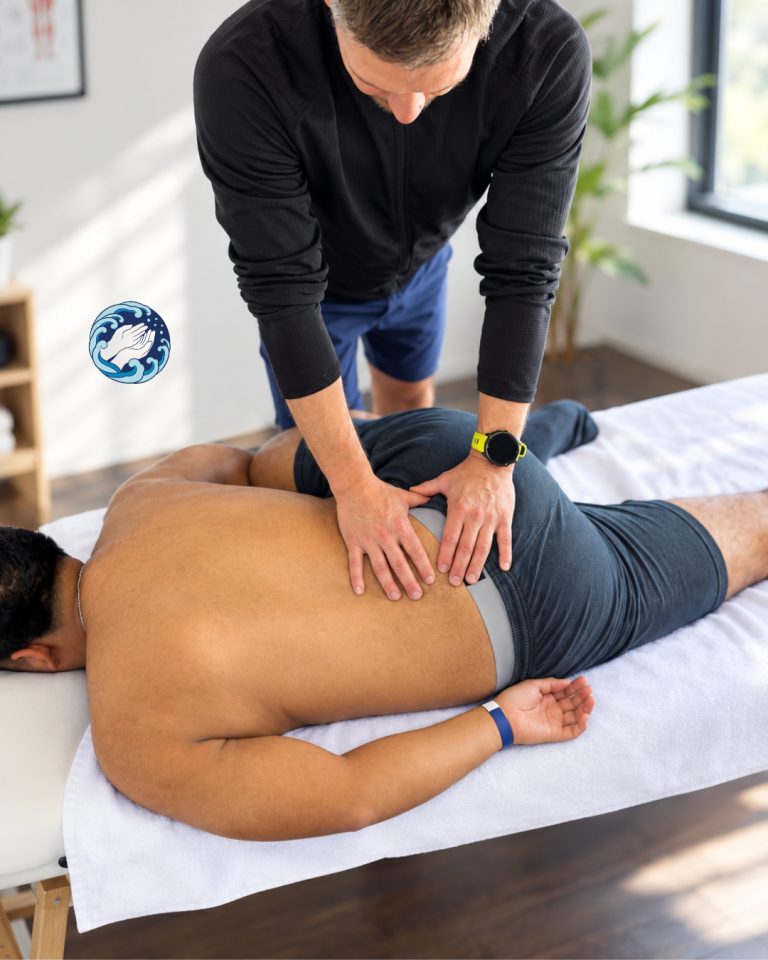
Pelvic pain, sudden urinary urges, or bladder leaks can make ordinary days feel complicated. Pelvic floor physical therapy for men may help when pelvic muscles contribute to these symptoms. Care starts with an assessment, not an automatic prescription for strengthening exercises. For English-speaking men in Tokyo, being able to discuss symptoms clearly and privately is an important part of finding appropriate care.
You do not need perfect medical language before asking for help. Explain what has changed, when it happens, and how it affects your day. A physical therapist can assess muscle function and movement, while a doctor checks symptoms that may have another medical cause.
This guide explains what therapy can involve, how it fits alongside medical care, and what to ask before booking. It is general education, not a diagnosis or a personal exercise plan.
The pelvic floor is a group of muscles at the base of the pelvis. These muscles help support pelvic organs and contribute to bladder and bowel control. They need to contract, relax, and coordinate with other muscles. Problems are not always about a lack of strength. Cleveland Clinic’s explanation of pelvic floor dysfunction describes how difficulty relaxing and coordinating these muscles can contribute to symptoms.
For some men, the concern is leakage during movement or after prostate surgery. For others, it is urgency, discomfort while sitting, or symptoms during cycling. These experiences can overlap, but they do not necessarily share the same cause.
It is understandable to search for an exercise that promises a quick solution. However, symptoms alone cannot tell you whether your pelvic floor needs strengthening, relaxation, or a different approach. An assessment helps clarify that distinction.
Pelvic pain and urinary changes can also come from conditions that physical therapy alone cannot address. New, persistent, or worsening symptoms deserve medical assessment rather than a self-diagnosis of a tight or weak pelvic floor.
Seek urgent medical care if you suddenly cannot pass urine, particularly with lower abdominal pain. NIDDK’s guidance on urinary retention advises immediate care for inability to urinate or severe abdominal pain. Fever with urinary symptoms, severe or rapidly worsening pain, or blood in the urine also requires prompt medical advice.
New loss of bladder or bowel control with back pain, leg weakness, or numbness around the groin needs emergency assessment. Do not wait for a routine therapy appointment.
These warning signs are not a complete checklist. If you feel seriously unwell or are unsure how urgent a change is, contact an appropriate medical service.
An assessment begins with understanding the problem and its effect on your life. Your therapist may ask about bladder habits, pain patterns, bowel symptoms, past surgery, and daily activities. They may also assess your breathing, back and hip movement, and muscle coordination.
Your goals matter. Perhaps you want to sit through meetings without discomfort, manage leakage on the way to work, or return to longer rides. Describing these situations helps make the discussion practical rather than focused only on an exercise score.
Treatment depends on the findings. Pelvic floor therapy for men may include muscle coordination, relaxation strategies, movement changes, or strengthening when appropriate. Education about bladder habits and a manageable home program may also form part of care. Not everyone needs every technique.
Ask your therapist to explain why they have chosen each approach. You should understand what you are practicing, how it relates to your symptoms, and what to do if discomfort increases. A plan also needs room for review when your circumstances change.
Pelvic floor exercises are often described as repeated squeezes. However, muscles that are not relaxing well do not necessarily need more squeezing. Some men need help with relaxation and coordination before, or instead of, strengthening.
Avoid building an intensive routine from online advice alone. If an exercise causes pain or increases symptoms, stop and discuss it with your clinician. More repetitions do not automatically mean better care.
Talking about pelvic symptoms can feel awkward, especially if you have been managing them quietly. You can start simply: “I keep needing the toilet,” “I leak when I move,” or “Sitting has become uncomfortable.” You do not need to share every detail in an initial booking message.
Before attending, ask whether the therapist assesses male pelvic health concerns and whether the session can take place in English. Questions about privacy, appointment length, and what to bring are reasonable too.
During an assessment, the therapist should explain proposed examinations and ask for your consent. Some assessments may involve a sensitive examination. You can ask about alternatives, decline part of the assessment, or withdraw consent. Ask what information an examination would provide and how declining it might affect the assessment.
You can request a pause at any time. If a chaperone or support person would help, ask about the clinic’s arrangements beforehand. Do not assume every clinic follows the same process.
Bring a brief note about symptoms, current medicines, and relevant procedures if that makes the conversation easier. For postoperative concerns, include instructions from your surgical team. You do not need an elaborate history to deserve care.
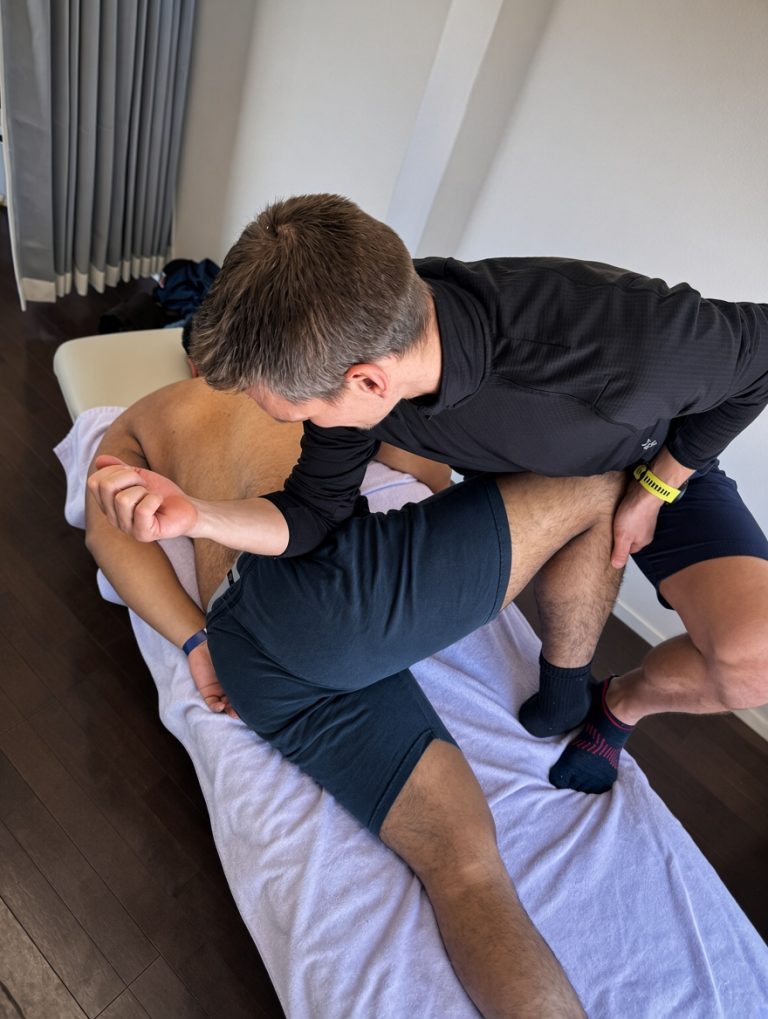
Urinary urgency is a sudden feeling that you need to pass urine. Leakage may happen alongside urgency or during activities such as coughing or movement. Describing that pattern helps a clinician decide what needs further assessment. It does not establish a diagnosis by itself.
If appropriate, your clinician may suggest a bladder diary. Recording drinks, bathroom visits, urgency, and leaks over a short period can capture details that are hard to remember. Ask how long to keep it and what to include.
For some men, care involves pelvic floor training. For others, bladder strategies or further medical investigation may be more relevant. A therapist should explain how recommendations relate to your symptoms rather than treating every urinary concern as muscle weakness.
Do not sharply restrict fluids just to avoid the bathroom, or force yourself to hold urine through pain. Fluid needs and bladder advice can change with other health conditions and medicines. Discuss adjustments with your clinician, especially if you already have medical instructions about drinking fluids.
If symptoms change during treatment, say so. New pain, difficulty emptying your bladder, or a marked change in urinary habits may need a doctor’s review rather than a harder exercise program.
After prostate or other pelvic surgery, follow-up care should reflect the procedure and your surgeon’s instructions. Male pelvic floor physical therapy may form part of that care, but it should not replace surgical follow-up.
Tell your therapist when the procedure took place and whether you have restrictions on lifting, exercise, or other activities. If instructions are unclear, ask the surgical team to clarify them. Do not use a general online timetable to decide when you should resume training.
Ask whether pelvic floor exercises are appropriate for your stage of recovery and how to perform them without unnecessary strain. Some men may benefit from guidance before surgery as well. Your medical team can advise whether this is relevant to the procedure you are planning.
Recovery is not a competition. Avoid judging progress against someone else’s experience or a promised number of sessions. Instead, discuss changes that matter to you, such as leakage during walking or confidence when leaving home. Your team can help interpret those changes within the wider recovery picture.
Pain or numbness during a ride is not something you need to prove you can tolerate. If cycling brings on symptoms, stop or reduce the activity that provokes them and seek advice, particularly when symptoms persist after riding.
A clinician may ask about your riding position, saddle, training volume, and when discomfort starts. These details can guide discussion, but a bike-fit change does not rule out a medical problem. Pelvic pain or urinary changes still warrant appropriate assessment.
Bring practical information rather than trying to diagnose the cause. Does discomfort appear after a short commute or only on longer rides? Does it ease when you get off the bike? Have symptoms started occurring away from cycling? Those distinctions are useful during an appointment.
When returning to riding, agree on a plan with your clinician rather than repeatedly testing your limits. You can ask which symptoms mean you should stop and when to arrange another review. The aim is a return that fits your health, not simply getting through the next ride.
Finding men’s pelvic health care in Tokyo can involve more than choosing a nearby clinic. You may need English-language explanations, time around work, or coordination with a doctor elsewhere in Japan. Ask about these needs before booking rather than assuming they are included.
A home program should fit your actual routine. Tell your therapist if a long commute, frequent travel, or limited privacy makes practice difficult. Ask which parts to prioritize and how to recognize when you need guidance. A shorter, clearly understood plan is preferable to guessing through a complicated one.
Keep follow-up conversations honest. If you have avoided an exercise because it hurts, say so. If symptoms change only during certain activities, describe those situations. This information helps your therapist review the plan; it is not a test of whether you have been a good patient.
Before committing to care, ask about fees, appointment availability, and any documents you may need. Insurance and reimbursement arrangements vary, so confirm them directly with the clinic and your insurer. Do not assume coverage based on another patient’s experience.
Yes. Men have pelvic floor muscles, and difficulties with their function can contribute to pain or bladder and bowel symptoms. However, these symptoms have other possible causes too. A clinician needs to assess what is happening rather than assume every concern comes from the pelvic floor.
Avoid assuming that repeated strengthening exercises are the right starting point. Your symptoms may call for another approach, and pain during exercise needs attention. If a clinician has already given you a program, follow their instructions and ask about any concerns before changing it.
Not necessarily. Ask the therapist what they recommend, why it may be useful, and what alternatives exist. You can decline an examination or stop it at any time. Discuss how that choice may affect the information available for planning care.
There is no single number that suits everyone. The cause of your symptoms, your health history, and your goals all affect planning. Ask when you will review progress and what would prompt a referral or a change in approach. Be cautious about guaranteed timelines.
Tokyo Rehabilitation’s client service information includes English-speaking physical therapists and pelvic floor rehabilitation. Contact the team to confirm current availability for men’s pelvic health concerns. Ask whether the clinician can discuss your particular symptoms and coordinate with your doctor if needed.
No. Therapy may complement medical care when muscle function or movement contributes to symptoms. It cannot rule out every possible medical cause. New or worsening urinary problems, persistent pain, and any urgent warning signs should receive appropriate medical attention.
Pelvic symptoms can affect work, travel, exercise, and confidence. Asking for an assessment is a reasonable next step; you do not have to wait until the problem becomes unbearable.
If you are considering care, contact Tokyo Rehabilitation to ask about an English-language appointment for men’s pelvic health. You can begin with a short description of your main concern and ask what the first visit involves. The aim is to understand your options, respect your privacy, and find the appropriate starting point for your care.

Founded by Mari Gish, PT, Tokyo Rehabilitation has served the English-speaking community in Japan for over 40 years. With state-of-the-art clinics in Shirokane, Minato-ku (Tokyo) and Kadena (Okinawa), our team of U.S.- and Japan-licensed physical therapists, osteopaths, and Pilates specialists provides compassionate, 1-on-1 rehabilitation and holistic wellness support.
We specialize in orthopedic and sports rehabilitation, Men and Women’s Pelvic Health, pre- and postnatal care, pediatric physical therapy, neurological recovery, specialized manual care, osteopathic techniques, and sympathetic nervous system downregulation. We accept international insurance policies and serve as an overseas Tricare provider.
Navigating a foreign healthcare system doesn’t have to mean compromising on the quality or style of your recovery. While Japanese National Health Insurance clinics offer an accessible option for quick, passive relief, private 1-on-1 physical therapy/physio bridges the cultural and linguistic gap for foreign residents who need comprehensive, active rehabilitation. By understanding how both models operate, you can confidently choose the pathway that best fits your specific injury, lifestyle goals, and peace of mind. If you are ready to tackle pain at its root with personalized, English-speaking care in Tokyo or Okinawa, reaching out to a dedicated physical therapy team is your best first step toward living fully and pain-free in Japan.
If you enjoyed this article, please also see: Neck Pain: What You Need to Know