
Pregnancy, birth and post-partum are amongst the most physically taxing events in a woman’s life. But too often, women are made to feel that discomforts such as low back pain, pelvic soreness, painful sex and loss of bladder control are simply a ‘price to pay’ for having a baby. The good news is that there are non-surgical options for women’s health physical therapy/physiotherapy, addressing pregnancy-related pelvic girdle pain, diastasis recti, post-partum incontinence and much more.
At Tokyo Rehabilitation we offer post-partum recovery, prenatal and women’s health physical therapy, with English-speaking Physical Therapists. Our treatments help mothers to enjoy pregnancy as much as possible, recover well and restore pelvic floor and core strength and function for the years to come.
During pregnancy your body produces hormones such as relaxin which loosen ligaments around the pelvis, preparing your joints for the birth. Unfortunately, this means that all your joints become more lax, including those in your back, a potentially painful condition known as pelvic girdle pain and instability. Meanwhile, your growing womb puts additional strain on your lower back muscles. Such pressures on your pelvis and spine may lead to excruciating pain down your back and hips.
Physical therapy treatments during pregnancy can help you to remain active and comfortable throughout those months. By mobilizing and working on your hip joints and performing specific postural and pelvic floor muscle retraining, Physical Therapists can decrease nerve irritation and spasm. In addition, by learning how to control your diaphragm breath and pelvic floor muscles early on, women can decrease pressure on their abdominal organs and facilitate birthing.
But did you know that labor itself is an endurance sport? By training your pelvic floor muscles to be able to relax (as opposed to tense) during labor, you can have a much more comfortable experience. Physical Therapists can also advise you on hip-opening positions or other pain relief options during delivery, such as a TENS machine.
One of the most common myths around post-natal recovery is that once you have the ‘green light’ from your doctor you can return to exercising as if nothing had happened. The reality is that whilst your womb will have returned to its pre-birth size and any episiotomy or c-section will have healed sufficiently six weeks after giving birth, your abdominal muscles, connective tissue and pelvic floor will require more time and post-natal physical therapy to rebuild.
As a result, returning to strenuous activity too soon after childbirth can put your pelvic floor, abdominal muscles, and general wellbeing at risk. A post-natal PT can help you to identify which activities are best suited for you at different stages of your post-partum recovery.
During your pregnancy, your rectus abdominis (the six-pack muscles) stretches to make space for your growing womb. For most women, this means that the connective tissue (linea alba) between these muscles will separate (diastasis recti). This happens to all women during the last trimester but should begin to close after birth. Unfortunately, many women struggle to restore the tension in their linea alba, which can impact their ability to perform daily activities and pelvic floor function.
The good news is that with the help of post-natal physical therapy, women can retrain their deep core muscles to re-establish tension in their linea abdominis and improve their posture, balance, and overall wellbeing. In order to do that effectively, post-natal physical therapists will work on the transversus abdominis (the deepest abdominal muscles) with the pelvic floor and diaphragm.
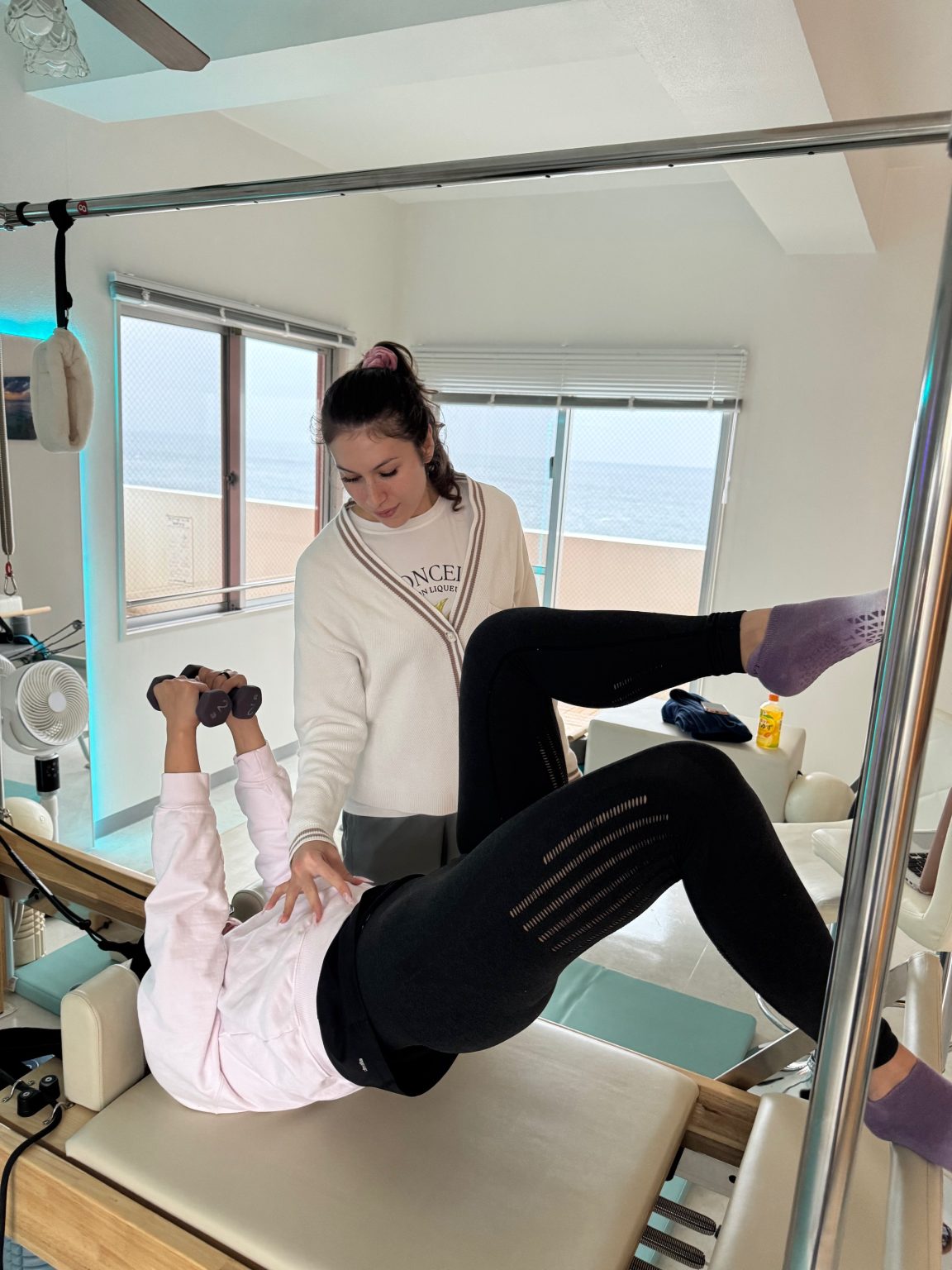
If you are suffering from mild incontinence, the pelvic floor exercises are generally an excellent way to stimulate and strengthen the muscles of your pelvic floor. However, it is vital to speak to a women’s health physical therapist before commencing any pelvic floor exercises. In many cases, Kegels can be detrimental to women with very sore or highly tightened pelvic floor muscles.
The pelvic floor is a muscular sling found at the bottom of your spine, supporting your womb, bladder, and bowels. Much like any other muscle group in your body, your pelvic floor can be either too weak or overly tightened. If you are experiencing a high tone pelvic floor, trying to perform Kegel exercises will cause additional soreness and discomfort, worsening incontinence and painful sex.
A physical therapist can identify the cause of your pelvic floor dysfunction and recommend the suitable treatment. By using non-invasive external manual therapy, biofeedback, and internal pelvic floor muscle testing (when required) a women’s health physical therapy can provide you with individualized treatments.
Assuming that pain and incontinence is normal during pregnancy: Unfortunately many women feel that they have to suffer through pregnancy-related discomforts. Luckily for them, the majority of pregnancy discomforts can be successfully addressed with the right treatment.
Returning to strenuous post-partum specific exercises too soon after birth: Unless you have had a post-partum specific PT/Physio assessment, it is highly recommended to avoid high impact activity and heavy lifting during the first 6 months following childbirth.
Overlooking the impact of a C-Section on your wellbeing: Many women fail to acknowledge the long-term effects of a C-Section on their wellbeing. After all, it is a major abdominal surgery with lasting repercussions on the connective tissue and pelvic floor. A physical therapist can help you to desensitize your abdominal muscles and scar tissue, improve your posture and core stability, as well as return to exercising safely.
Focusing too much on the width of the gap in your six-pack: Many women wrongly focus too much on the width of the gap in their abdominal muscles. The truth is, it is the tension and ability to control this gap that matters.
Failing to look after your back and posture: Women who suffer from diastasis recti tend to lean forward when caring for their infant. This places enormous strain on their upper back, thoracic spine, and pelvic joints.
Book a six-week post-partum pelvic assessment. In the same way that you would schedule a regular dental or medical check-up, a six-week post-partum physical therapy assessment can help to detect potential issues early and prevent future complications.
Practice 360-degree breathing throughout pregnancy and post-partum: Make sure to breathe into your rib cage and belly, whilst relaxing your pelvic floor muscles on the inhale and gently drawing your belly button in on the exhale.
Use pillows to support your infant: Use a pillow to bring your infant up to eye level when feeding or laying them down instead of bending down.
Make sure to progress your post-partum activities carefully and systematically: Before progressing to more strenuous post-partum-specific activities, it is essential to develop good breathing and posture.
Do not ignore pain and discomfort during pregnancy: By seeking specialist help for your pregnancy-related discomforts you can prevent further difficulties during post-partum.
During pregnancy and post-partum, living in another country can be especially challenging. Not only do you have to look after your infant with little or no support from your family, you also have to navigate the healthcare system in an unfamiliar tongue. The good news is that you do not have to navigate it alone.
At Tokyo Rehabilitation our team of English-speaking physical therapists provides women’s health physical therapy in Tokyo, Okinawa and Yokota. We offer expert women’s health physical therapy/physiotherapy services to mothers, expecting mothers, and their partners in Japan. Our post-natal physical therapists have been working with international patients for over 4 decades.

When should I start seeing a physical therapist during pregnancy?
You can see a women’s physical therapist at any point during your pregnancy. It is generally best to come for an assessment as early as possible to make sure you can have the most out of your pregnancy and childbirth.
Is pelvic physical therapy safe during pregnancy?
Yes, women’s health physical therapy is a safe non-surgical option for women experiencing discomfort during pregnancy.
How soon after childbirth can I have a post-partum physical therapy assessment?
We recommend booking a post-partum physical therapy assessment 6 weeks after birth, if you are experiencing persistent pelvic pain, difficulties walking or are particularly uncomfortable, we can also give you some helpful advice at home.
What is a specialized pelvic assessment?
Your initial assessment will begin with a discussion about your goals and medical history and a physical assessment looking at your physical capabilities and restrictions. You will also be asked a series of questions regarding your expectations and concerns. A specialist women’s physical therapist will then assess your pelvic alignment and function. In addition, they will check your abdominal muscles and look for signs of diastasis recti. An internal assessment of your pelvic floor muscles is only done when needed and upon your consent.
Can I have physical therapy after a C-Section?
Yes. Physical therapy can help you with the rehabilitation of your abdominal muscles following a C-Section, helping desensitize and release the tight scar tissue. It can also help alleviate lower back pain suffered after a C-Section.
I gave birth many years ago but still experience incontinence/core weakness, is it too late for physical therapy?
It is never too late to undertake post-partum physical therapy. The truth is, your body is incredibly resilient and adaptable, even many years after childbirth, your body can relearn how to control your pelvic floor muscles and rebuild core strength.
Pelvic pain and other pregnancy-related discomforts are very common and should never be considered normal, no matter how frequently they occur. If you are suffering from any pregnancy-related discomforts, you owe it to yourself to seek physical therapy treatment.
Your six-week post-partum check-up is not an indication of when you can return to exercising. It simply means that your womb and episiotomy/c-section have healed sufficiently. On the other hand, your abdominal muscles, connective tissue, and pelvic floor will require additional post-partum physical therapy to regain their pre-birth tension and function. As a result, returning to strenuous activity too soon after childbirth can put your pelvic floor, abdominal muscles, and general wellbeing at risk. A post-natal PT can help you to identify which activities are best suited for you at different stages of your post-partum recovery.
During your pregnancy, your rectus abdominis (the six-pack muscles) stretches to make space for your growing womb. For most women, this means that the connective tissue (linea alba) between these muscles will separate (diastasis recti). This happens to all women during the last trimester but should begin to close after birth. Unfortunately many women struggle to restore the tension in their linea alba, which can impact their ability to perform daily activities and pelvic floor function.
The good news is that with the help of post-natal physical therapy, women can retrain their deep core muscles to re-establish tension in their linea abdominis and improve their posture, balance, and overall wellbeing.
If you are suffering from mild incontinence, the pelvic floor exercises are generally an excellent way to stimulate and strengthen the muscles of your pelvic floor. However, it is vital to speak to a women’s health physical therapist before commencing any pelvic floor exercises. In many cases, Kegels can be detrimental to women with very sore or highly tightened pelvic floor muscles.
Founded by Mari Gish, PT, Tokyo Rehabilitation has served the English-speaking community in Japan for over 40 years. With state-of-the-art clinics in Shirokane, Minato-ku (Tokyo) and Kadena (Okinawa), our team of U.S.- and Japan-licensed physical therapists, osteopaths, and Pilates specialists provides compassionate, 1-on-1 rehabilitation and holistic wellness support.
We specialize in orthopedic and sports rehabilitation, Men and Women’s Pelvic Health, pre- and postnatal care, pediatric physical therapy, neurological recovery, specialized manual care, osteopathic techniques, and sympathetic nervous system downregulation. We accept international insurance policies and serve as an overseas Tricare provider.
Navigating a foreign healthcare system doesn’t have to mean compromising on the quality or style of your recovery. While Japanese National Health Insurance clinics offer an accessible option for quick, passive relief, private 1-on-1 physical therapy/physio bridges the cultural and linguistic gap for foreign residents who need comprehensive, active rehabilitation. By understanding how both models operate, you can confidently choose the pathway that best fits your specific injury, lifestyle goals, and peace of mind. If you are ready to tackle pain at its root with personalized, English-speaking care in Tokyo or Okinawa, reaching out to a dedicated physical therapy team is your best first step toward living fully and pain-free in Japan.
To learn more and schedule an appointment:
If you enjoyed this article, please also see: Navigating Physical Therapy in Japan: A Complete Guide