
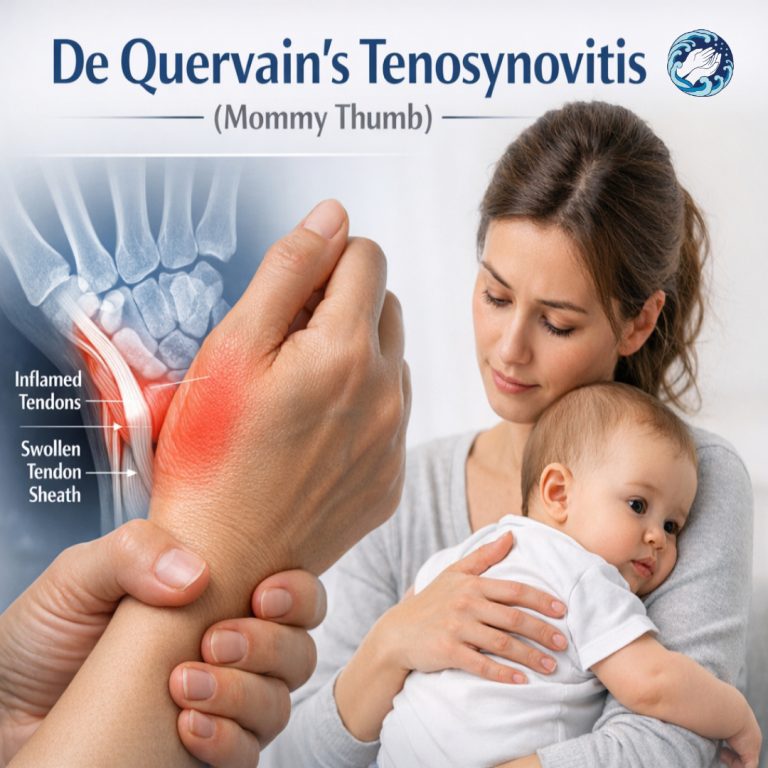
Becoming a parent is one of the most rewarding experiences in life. It is filled with joy, wonder, and countless precious moments. However, it also comes with physical demands that can take a toll on your body. One very common issue that new parents face is a specific type of wrist pain. This condition is often called “Mommy Thumb,” but its medical name is De Quervain’s Tenosynovitis. At Tokyo Rehabilitation, we see many hardworking parents dealing with this discomfort.
We believe that understanding your body is the first step toward healing. When you know why the pain occurs, you can take better care of yourself. Our team at Tokyo Rehab is dedicated to helping you return to your daily activities. We want you to enjoy every moment with your little one without being held back by pain. This article will explore what this condition is and how you can manage it.
De Quervain’s Tenosynovitis is a painful condition that affects the tendons on the thumb side of your wrist. Tendons are the tough tissues that connect your muscles to your bones. In your wrist, these tendons run through a small tunnel called a sheath. When you have this condition, the sheath becomes inflamed and swollen. This makes it very difficult for the tendons to slide smoothly through the tunnel.
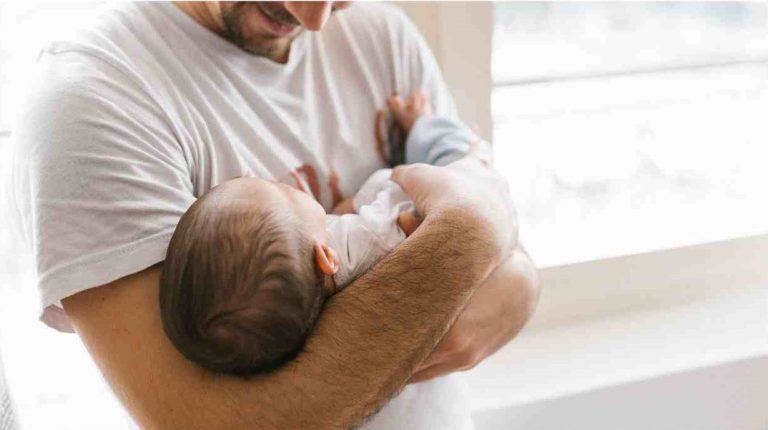
The primary cause of this inflammation is repetitive movement or overexertion. For new parents, this often happens because of the way they lift their babies. Think about how many times a day you pick up your child from a crib. You likely use your thumbs as leverage while tucking your fingers under their arms. This specific “L” shape with your hand puts a lot of pressure on the thumb tendons. Over time, this constant strain leads to the swelling and pain we call Mommy Thumb.
The nickname “Mommy Thumb” exists for a very good reason. New mothers and fathers are constantly performing repetitive motions with their hands and wrists. For example, beyond just lifting the baby, you are also likely carrying heavy diaper bags. In addition, you might be holding a bottle for long periods or pushing a stroller. Because all of these actions require a strong grip and stable wrist position, the tendons are under constant stress.
Furthermore, hormonal changes during and after pregnancy can play a significant role. Since some hormones cause the body to retain more fluid, they often increase pressure in the wrist. Others make the ligaments more lax, consequently leading to joint instability. Combined with the physical demands of childcare, it is easy to see why the wrist becomes irritated. As a result, Tokyo Rehab specialists often notice that symptoms peak exactly when the baby starts getting heavier.
Furthermore, hormonal changes during and after pregnancy can play a significant role. Some hormones cause the body to retain more fluid, which can increase pressure in the wrist. Others make the ligaments more lax, leading to joint instability. Combined with the physical demands of childcare, it is easy to see why the wrist becomes irritated. Tokyo Rehab specialists often notice that symptoms peak when the baby starts getting heavier.
The most obvious sign of De Quervain’s is pain at the base of the thumb. You might feel this pain most acutely when you try to make a fist. It often feels like a sharp ache or a dull throb. Some people describe it as a burning sensation that radiates up the forearm. If you notice that your wrist hurts more during lifting, this is a major red flag.
Swelling is another common symptom that you should watch for. You might see a small bump or puffiness near the bony part of your thumb. This area can be very tender to the touch. Some parents also experience a “snapping” or “catching” feeling when they move their thumb. This happens because the swollen tendon is physically getting stuck in its narrow sheath. If the condition persists, you may also feel a general weakness in your grip.
It is important to pay attention to when De Quervain’s pain occurs. Does it happen only during certain activities, or is it constant? Many parents find that the pain is worse in the morning. Others notice it flaring up after a long day of carrying their child. At Tokyo Rehabilitation, we suggest keeping a small log of your symptoms.
This information will be incredibly helpful for your physical therapist later on. If you find that you are dropping items, the inflammation may be severe. You should not ignore these signals from your body. Early intervention is always the best way to prevent a long-term problem. Tokyo Rehab is here to support you through the assessment process. We want to ensure that your path to recovery is as smooth as possible.
The good news is that many cases can be managed with home care. The first and most important step is rest. We know that “resting” is hard when you have a baby to care for. However, try to find small ways to reduce the load on your wrist. Use pillows to support the baby’s weight during feeding sessions.
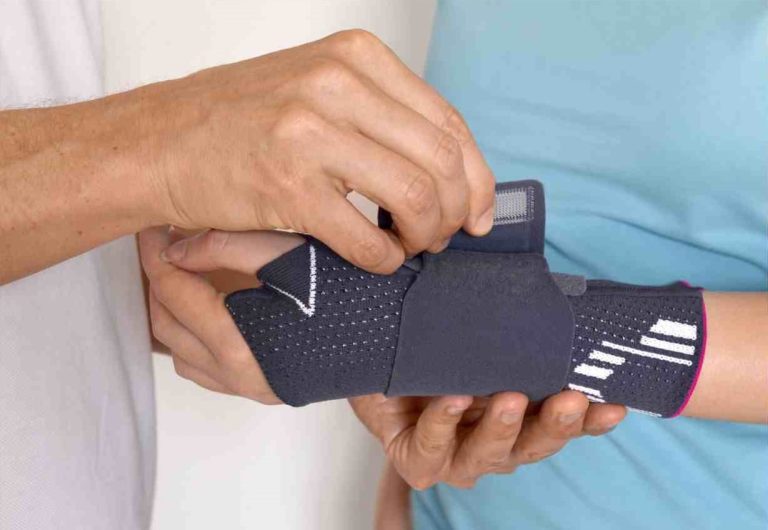
Another excellent tool is a wrist brace or a thumb spica splint. These braces are designed to keep your thumb and wrist in a neutral position. By limiting extreme motions, you allow the inflammation to settle down. At Tokyo Rehab, we often recommend wearing a brace during the night. This prevents you from accidentally curling your wrists while you sleep. It provides the tendons with a much-needed break from the day’s stress.
When home care isn’t enough, professional help is the next step. At Tokyo Rehabilitation, we offer specialized care for postpartum conditions because our therapists understand the unique challenges that new parents face. We don’t just look at the wrist; instead, we look at the whole person. Our goal is to provide immediate relief and long-term prevention.
A visit to Tokyo Rehab starts with a comprehensive evaluation. During this initial session, we will look at your range of motion, strength, and posture. Additionally, we want to hear about your daily routine and specific pain triggers.
By gathering this information, we can create a personalized treatment plan just for you. Since you deserve a recovery process that fits into your busy lifestyle, we focus on sustainable results. Let us help you get back to feeling like yourself again.
A visit to Tokyo Rehab starts with a comprehensive evaluation. We will look at your range of motion, strength, and posture. We also want to hear about your daily routine and specific pain triggers. This allows us to create a personalized treatment plan just for you. You deserve a recovery process that fits into your busy lifestyle. Let us help you get back to feeling like yourself again.
One of the first things a therapist might do is manual therapy. This involves specialized massage and soft tissue release techniques. The focus is on the muscles and tendons around the thumb and forearm. By applying targeted pressure, we can help reduce the tension in the area. This often leads to a significant decrease in pain right away.
These releases help to “unstick” the tendons from their inflamed sheaths. It is a gentle but highly effective way to jumpstart the healing process. At Tokyo Rehab, our clinicians are trained in various manual techniques to ensure your comfort. We believe that hands-on care is a vital part of any rehabilitation program. You will likely feel a sense of lightness in your wrist after just one session. This immediate relief provides a great foundation for the rest of your therapy.
Stretching is another key component of our physical therapy programs. However, it must be done correctly to avoid further irritation. We teach you specific stretches that target the thumb tendons without overstressing them. Consistency is key when it comes to improving flexibility. A few minutes of stretching each day can make a world of difference.
Our therapists at Tokyo Rehab will show you how to perform these stretches safely. We often include stretches for the neck and chest as well. Many parents develop a “hunched” posture from nursing or carrying their children. Opening up the chest can relieve pressure on the nerves that travel down to the hand. By addressing these postural habits, we improve your overall comfort and function. You will find that moving your body feels easier and more natural.
The ultimate goal of Tokyo Rehab is to give you the tools to succeed on your own. To ensure your success, we work with you to create a home exercise program that is actually realistic. Because we know you are busy, we keep the exercises simple yet highly effective. Furthermore, you don’t need fancy equipment to see great results, as most of our recommendations can be done while you are playing with your baby.
We also provide ongoing support and adjustments as you progress. As your baby grows and changes, your physical needs will change too; therefore, we are here to help you navigate those transitions with confidence.

Dealing with chronic pain can be frustrating, especially as a new parent. It is easy to feel overwhelmed by the demands of a newborn; however, it is important to stay positive and patient with yourself. Healing takes time, and every small step counts. Therefore, try to focus on the progress you are making rather than the temporary setbacks.
Tokyo Rehab stands out because of our personalized and compassionate approach. We don’t just treat symptoms; we treat people. Our facility is designed to be a welcoming space where you can focus on your well-being. We use evidence-based techniques to ensure you get the best possible care. Our team is constantly learning and growing to serve you better.
We also offer flexible scheduling to accommodate the hectic lives of parents. Whether you need an early morning or a late afternoon appointment, we strive to help. Our location is convenient, making it easy for you to fit therapy into your day. When you choose Tokyo Rehabilitation, you are choosing a partner in your health. We are dedicated to helping you thrive in your role as a parent. Your journey to a pain-free life starts here.
In conclusion, De Quervain’s Tenosynovitis is a manageable condition. While it can be painful, it does not have to be permanent. By understanding the causes and symptoms, you can take action early. Simple home remedies like bracing and icing are excellent starting points. However, professional physical therapy offers a more comprehensive solution.
Tokyo Rehab is your go-to resource for all things related to wrist health. We provide the expertise and encouragement you need to heal. Remember to be kind to yourself as you navigate this phase of life. Your body has done amazing things, and it deserves to be cared for. Let us help you get back to the joy of parenting without the burden of pain. We are here for you every step of the way.
To learn more and schedule an appointment:
If you enjoyed this article, please also see: How Physical Therapy Helps