

We live in a world of screens. Phones wake us up in the morning. Laptops carry our workday. Tablets and streaming devices fill our evenings. However, all that convenience comes with a hidden cost. More people are noticing stiffness, aching, and fatigue in their necks. This modern strain has a name: tech neck, also called text neck.
Tech neck is not just a passing annoyance. Instead, it is a pattern of stress placed on the neck and upper back from looking down at screens for long periods. Over time, that posture can irritate muscles, joints, and even nerves. Fortunately, there are simple steps you can take. Moreover, professional physical therapy can offer targeted solutions that bring lasting relief.
“Tech neck” refers to neck pain and related symptoms caused by prolonged forward head posture. In other words, it happens when you spend hours looking down at a phone, tablet, or laptop. While that position may feel harmless at first, the strain adds up quickly.
Your head weighs about 10 to 12 pounds in a neutral position. However, when you tilt it forward, the effective weight on your neck increases dramatically. At just 15 degrees of forward tilt, the strain can feel like 27 pounds. At 60 degrees, it can feel like 60 pounds pressing down. As a result, the muscles in your neck and upper back must work much harder than they were designed to.
Your spine is built to support your head when it is stacked directly over your shoulders. When your head shifts forward, your center of gravity changes. Therefore, your muscles must constantly contract to hold your head up. This constant contraction leads to muscle tension and fatigue.
Additionally, the deeper stabilizing muscles in the neck can weaken over time. Meanwhile, larger surface muscles become tight and overworked. This imbalance creates discomfort and reduces mobility. Consequently, you may notice stiffness, soreness, or a pulling sensation across the back of your neck and shoulders.
Tech neck does not affect the neck alone. Because the body works as a connected system, strain in one area often spreads. For example, when your head moves forward, your shoulders tend to round. This rounded posture tightens chest muscles and weakens muscles between the shoulder blades.
Over time, these changes alter how your shoulder joints move. As a result, daily tasks like lifting, reaching, or even driving may feel more difficult. In some cases, tension can extend into the upper back and even the jaw. Therefore, addressing tech neck early is important for whole-body comfort.
Neck pain is the most obvious symptom. It may feel dull and achy or sharp with certain movements. However, tech neck often comes with other complaints as well.
Many people report frequent headaches. These headaches often start at the base of the skull and travel toward the forehead. Muscle tension in the upper neck can irritate nearby nerves. Consequently, pain may radiate into the scalp or behind the eyes.
In more advanced cases, nerve irritation can develop. When muscles tighten and joints compress, nearby nerves may become sensitive. As a result, you might notice numbness or tingling in your hands or arms. Some people also describe a burning or shooting sensation.
While these symptoms can feel alarming, they are often related to posture and muscle imbalance. Still, it is important to address them early. Therefore, seeking guidance from a physical therapy professional can help prevent further irritation.

Modern life encourages long hours of sitting and screen time. Work, communication, shopping, and entertainment all happen digitally. As a result, many people spend more than eight hours a day looking at devices.
Moreover, phones are often held at chest or lap level. This habit increases the downward angle of the head. Even short bursts of screen time add up. Therefore, repeated daily stress gradually overwhelms the neck’s support system.
The good news is that small changes can make a big difference. First, take frequent breaks during the day. For example, every 30 minutes, gently roll your shoulders and stretch your neck. Even one minute of movement can reduce accumulated tension.
Next, change positions often. Avoid staying in one posture for too long. Stand up during phone calls. Walk around while reading emails. In addition, consider setting a timer as a reminder to move. Consistent movement keeps muscles active and reduces stiffness.
Your workspace setup matters. Ideally, your computer screen should be at eye level. This position keeps your head stacked over your shoulders. If needed, use a monitor stand or stack books under your laptop.
Furthermore, keep your keyboard and mouse close enough to avoid reaching. Your elbows should rest comfortably at your sides. Your chair should support your lower back. When your body is aligned, your neck works less. As a result, strain decreases significantly.
Gentle stretching can ease tight muscles. For example, slowly tilt your head toward one shoulder and hold for 15 to 20 seconds. Then switch sides. Keep the movement smooth and controlled.
You can also stretch the muscles between your shoulder blades. Sit tall and gently squeeze your shoulder blades together. Hold for five seconds, then relax. Repeat several times throughout the day. Over time, these small habits build resilience.

Stretching helps, but strengthening is equally important. The deep muscles in your neck provide stability and support. However, they often weaken with prolonged forward posture. Therefore, targeted exercises can restore balance.
One common exercise is the chin tuck. Sit upright and gently draw your chin straight back, as if making a double chin. Avoid tilting your head up or down. Hold for a few seconds, then relax. This simple move activates deep stabilizers.
The muscles around your shoulder blades also play a key role. When they are strong, they help keep your shoulders back and your chest open. As a result, your head naturally aligns better over your spine.
Exercises such as rows with resistance bands can help. Additionally, prone “T” and “Y” movements strengthen upper back muscles. These exercises reduce strain on the neck by improving posture. Therefore, consistency is key for long-term change.
Sometimes, despite your best efforts, symptoms persist. You may feel stuck in a cycle of tension and flare-ups. In these cases, professional guidance can make a meaningful difference.
A physical therapist can assess your posture, movement patterns, and muscle balance. They can identify the root causes of your discomfort. Then, they design a personalized plan tailored to your needs. This targeted approach speeds recovery and reduces guesswork.
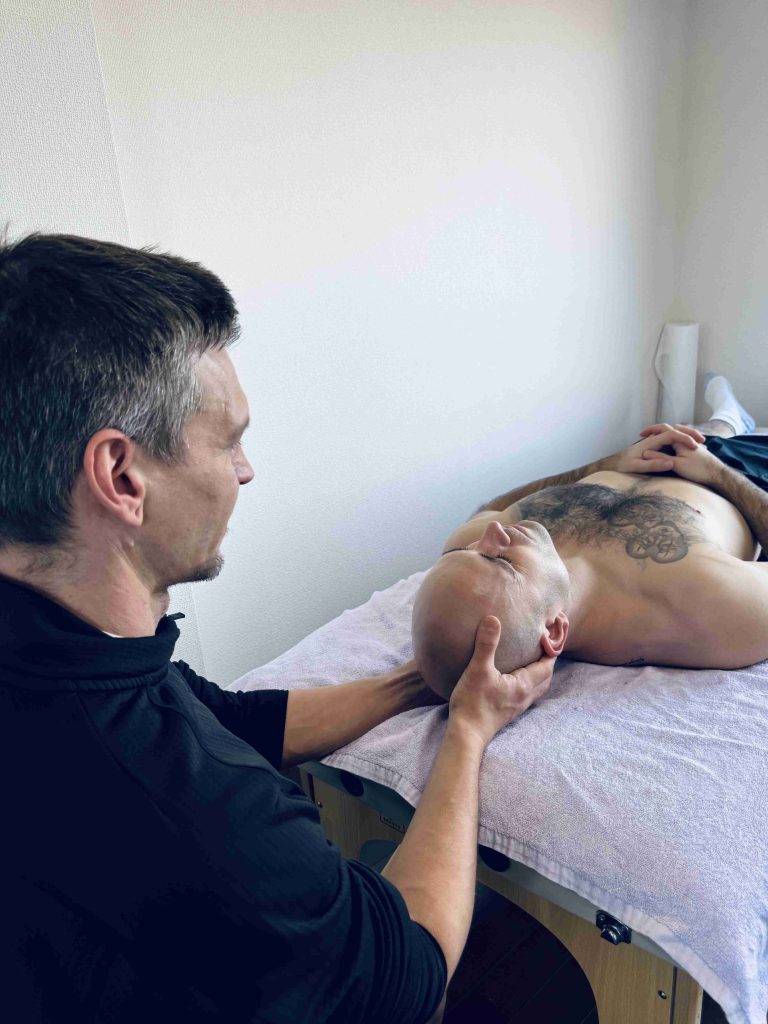
At Tokyo Rehabilitation and Tokyo Rehab, treatment often begins with hands-on care. Soft tissue release techniques can reduce muscle tension quickly. These techniques improve blood flow and decrease sensitivity in tight areas.
Many people notice relief after their first session. Moreover, manual therapy can restore joint mobility. When joints move better, muscles relax more easily. Therefore, pain often decreases while range of motion improves.

However, lasting relief requires more than temporary comfort. Physical therapy focuses on long-term solutions. Therapists provide education about posture mechanics. They explain how daily habits affect your neck.
In addition, they suggest activity adjustments. For example, they may recommend changing how you hold your phone. They may also modify your workstation setup. These practical changes reduce the chance of recurring pain.
Everybody is different. Therefore, exercise plans should reflect individual goals and needs. At Tokyo Rehabilitation, therapists create programs that target weak and tight areas. These programs often include both strengthening and stretching.
Importantly, patients learn how to continue exercises at home. This step builds independence and confidence. Over time, improved muscle balance supports better posture naturally. Consequently, strain decreases even during busy workdays.
Physical therapists also teach safe stretching techniques. Proper form ensures that stretches help rather than irritate. For instance, they guide patients through gentle upper trapezius and levator scapulae stretches.
Additionally, they may incorporate mobility drills for the upper back. Improved thoracic mobility supports healthier neck movement. As a result, tension spreads less easily across the upper body.
When headaches are part of the picture, targeted therapy can help. By reducing muscle tension at the base of the skull, therapists decrease nerve irritation. Consequently, headache frequency and intensity often decline.
For numbness and tingling, therapists assess nerve mobility. Specific exercises, called nerve glides, can calm irritated nerves. Furthermore, strengthening and posture correction reduce ongoing compression. Therefore, symptoms gradually improve.
Sustainable relief requires consistent effort. However, the process does not need to feel overwhelming. Small daily actions build strong foundations. Frequent breaks, mindful posture, and regular exercises create lasting benefits.
With guidance from Tokyo Rehab, patients gain tools they can use for life. They understand how to protect their neck during work and leisure. Moreover, they learn how to respond early to warning signs. This knowledge prevents minor discomfort from becoming chronic pain.
Technology is here to stay. Yet, discomfort does not have to be part of the deal. By understanding tech neck and taking proactive steps, you can stay comfortable and active.
If neck pain, headaches, or arm symptoms are affecting your daily routine, support is available. Through hands-on care, posture education, and customized exercise plans, Tokyo Rehabilitation helps restore balance. With the right approach, you can enjoy your devices without sacrificing your health.
To learn more and schedule an appointment:
If you enjoyed this article, please also see: What Is De Quervain’s Tenosynovitis? (Mommy Thumb)