
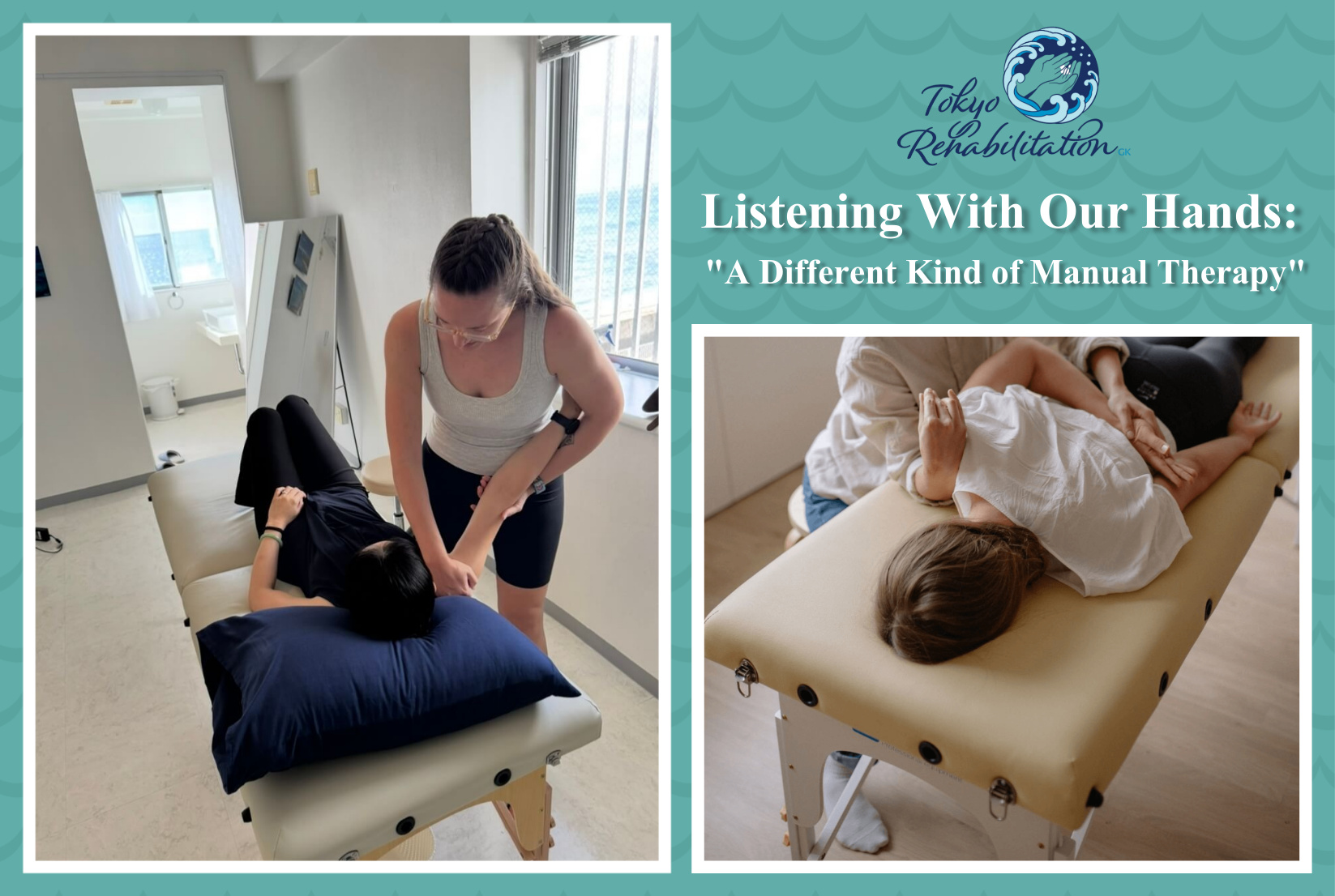
Manual therapy is often seen as pushing, stretching, or “fixing” tight muscles and stiff joints. Yet advanced manual therapy is something more. It is a way of listening with the hands, using touch to understand what your whole system is trying to say.
Instead of treating your shoulder as “just a shoulder” or your back as “just a back,” we ask a different question. What is this area protecting, expressing, or holding onto—for you as a whole person, not just as a collection of body parts?
Pain is rarely random. It reflects how you move, rest, breathe, work, and cope with stress over months and years. Experiences such as injuries, surgeries, emotional strain, and overtraining all leave traces in posture, breath, muscle tone, and even facial expression.
However, many healthcare approaches reduce this rich story to a list of symptoms. Advanced manual therapy instead looks for the pattern that connects everything. For example, a “frozen” shoulder might relate to rigid ribs, shallow breathing, and a nervous system that has stayed on high alert.
Advanced manual therapy is not just a longer list of techniques. It is a deeper level of sensitivity, timing, and clinical decision-making. The same technique can feel very different when used with careful listening rather than force.
Technically, we study joints, muscles, fascia, nerves, organs, and the body’s fluid systems. Yet what makes this work different is how we respond to your tissues in real time. Sessions are not fixed protocols; they are living conversations your body helps direct.
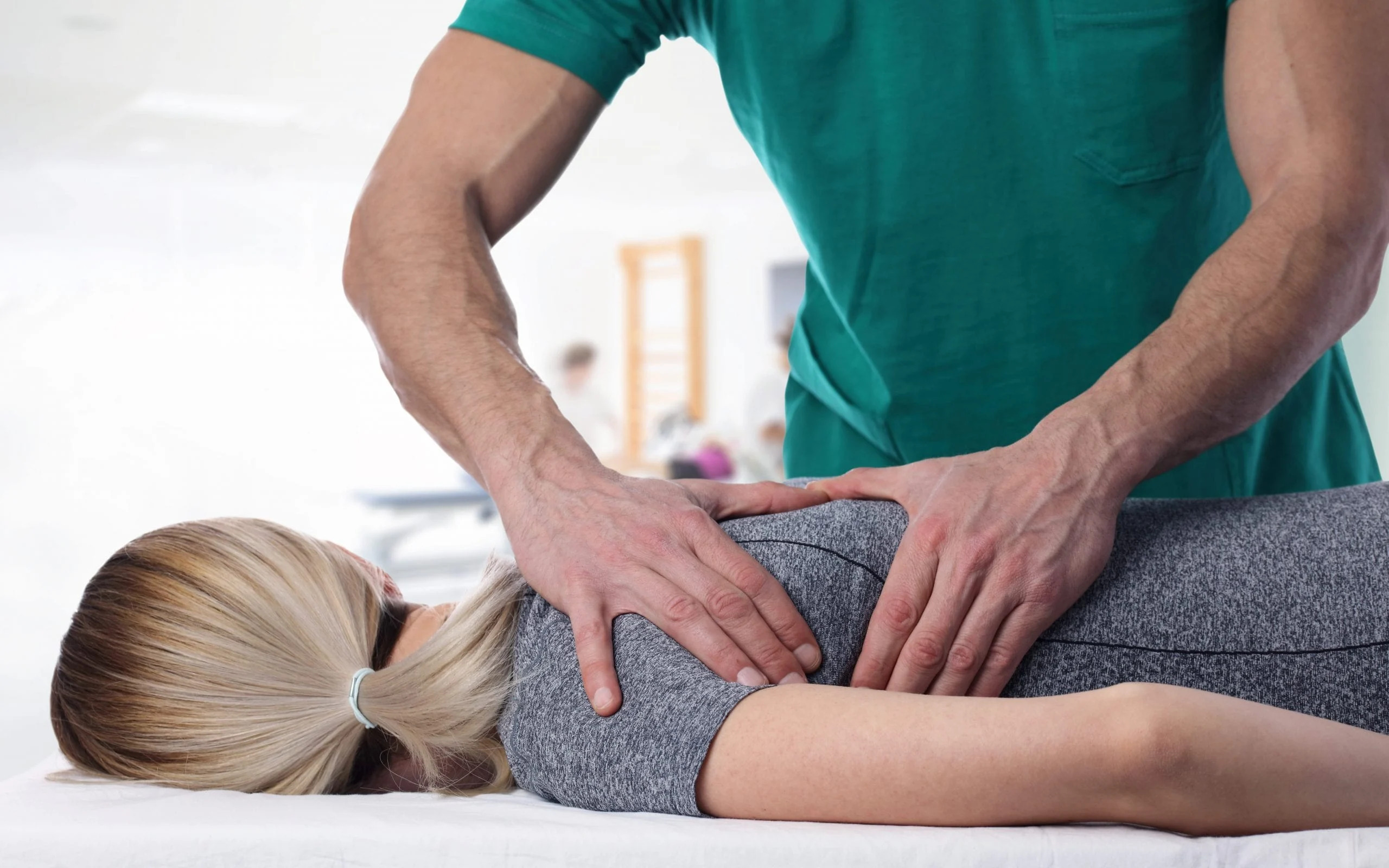
“Palpation” simply means examining by touch. In basic training, therapists learn to feel for tight muscles or stiff joints. With advanced training, palpation becomes a subtle language. We feel layers of tissue, directions of tension, tiny movements, and shifts in temperature or fullness.
As our hands rest and wait, your body begins to “answer.” One area may feel guarded at first, then slowly soften. Another region may subtly pull our attention, asking for support. The tissue gives a kind of quiet “yes” or “no” to different directions, pressures, and speeds.
Your fascia—the continuous web of connective tissue around every structure—carries much of this information. Injuries, scars, and long-term stress can twist that web. As a result, the load no longer travels smoothly through your body, and certain regions begin to complain. Skilled hands can feel and follow these lines of strain.
At the same time, your fluids and nervous system tell their own stories. Sluggish areas feel dense or stuck; freer regions feel warm and springy. Meanwhile, your nervous system is constantly asking, “Am I safe?” When touch is skillful, gentle, and respectful, the answer gradually becomes “yes,” and your body can finally change.
Modern neuroscience shows that the nervous system does not neatly separate physical and emotional experience. Stress, grief, chronic pressure, and shock all change how you breathe, hold yourself, digest, and sleep. Over time, those patterns become automatic.
Therefore, some body areas often carry emotional themes. A clenched jaw might reflect unspoken anger or the pressure to “hold it together.” A tight chest may come with anxiety or loss. A rigid lower back can express the need to stay in control. During advanced manual therapy, these emotional layers sometimes begin to soften, simply because the system finally feels safe enough.
Although emotions can emerge, advanced manual therapy is not psychotherapy. We are not digging for stories or trying to uncover trauma content. Instead, we are supporting your nervous system to complete old protective responses and find a new baseline.
Because of this, consent and pacing are essential. We check in often: Is this pressure okay? Do you want to continue here or pause? Do you prefer to talk or stay quiet? If strong feelings surface, we slow down, help you ground in the present, and stay within what feels manageable. When needed, we may also suggest collaborating with a psychologist so both body and mind are supported.

Gentle, listening-based touch might sound too soft to create structural change. Yet when your system feels deeply heard, long-held defenses often begin to melt. Muscles no longer need to brace so hard. Joints move with less resistance. Circulation and lymph flow improve. As a result, pain often eases not just locally but also through related regions.
Furthermore, by addressing underlying patterns instead of chasing symptoms, results tend to last longer. Neck pain linked to jaw clenching, poor sleep, and shallow breathing will rarely resolve with neck work alone. When we include the jaw, rib cage, and nervous system regulation, your whole system can reorganize.
There is solid science behind this. Your brain constantly predicts what is happening inside your body, a process called interoception. Those predictions influence whether you feel safe, anxious, or in pain. Gentle, attuned touch gives your brain new, reliable signals of safety.
Over time, repeated safe experiences reshape those predictions. Your system gradually expects less danger and less pain. In addition, nurturing touch activates your social engagement system, reducing stress hormones and calming the heart rate. In that calmer state, tissues repair more efficiently, and movement retraining becomes easier.
A session usually begins with a clear conversation about your history, goals, and current concerns. We also look at how you stand, walk, bend, and breathe. The aim is to see how your whole system is organizing around the problem, not just where it hurts.
On the table, the work is often slower and quieter than many people expect. There may be gentle holds, subtle movements, and periods where the therapist’s hands are still, simply listening. You might feel warmth, softening, or a sense of unfolding from the inside. Occasionally, memories or emotions arise; you decide how much you wish to share.
After advanced manual therapy, many people feel lighter, calmer, or more grounded. Some feel pleasantly tired, as if they have done a deep internal workout. Others feel clearer and more energized. Temporary soreness can occur, much like after starting a new exercise, and usually settles quickly.
Because this approach works with both physiology and the nervous system, benefits often show up in daily life. You may notice improved sleep, better focus, fewer headaches, or more patience under stress. You might also discover that you can hear your body’s early signals—tension, fatigue, irritability—and respond before pain flares.
Not every manual therapist works in this way, and that is completely fine. However, if you feel drawn to this deeper approach, certain questions can help. Do they take time with your story or jump quickly to treatment? Do they assess your whole body, or only the painful area?
Also notice how you feel during and after the first visit. Do you feel rushed or genuinely listened to? Do they explain their reasoning in clear language and welcome your questions? A therapist with advanced listening skills combines technical precision with respect, warmth, and collaboration—and is happy to work alongside your other healthcare providers.
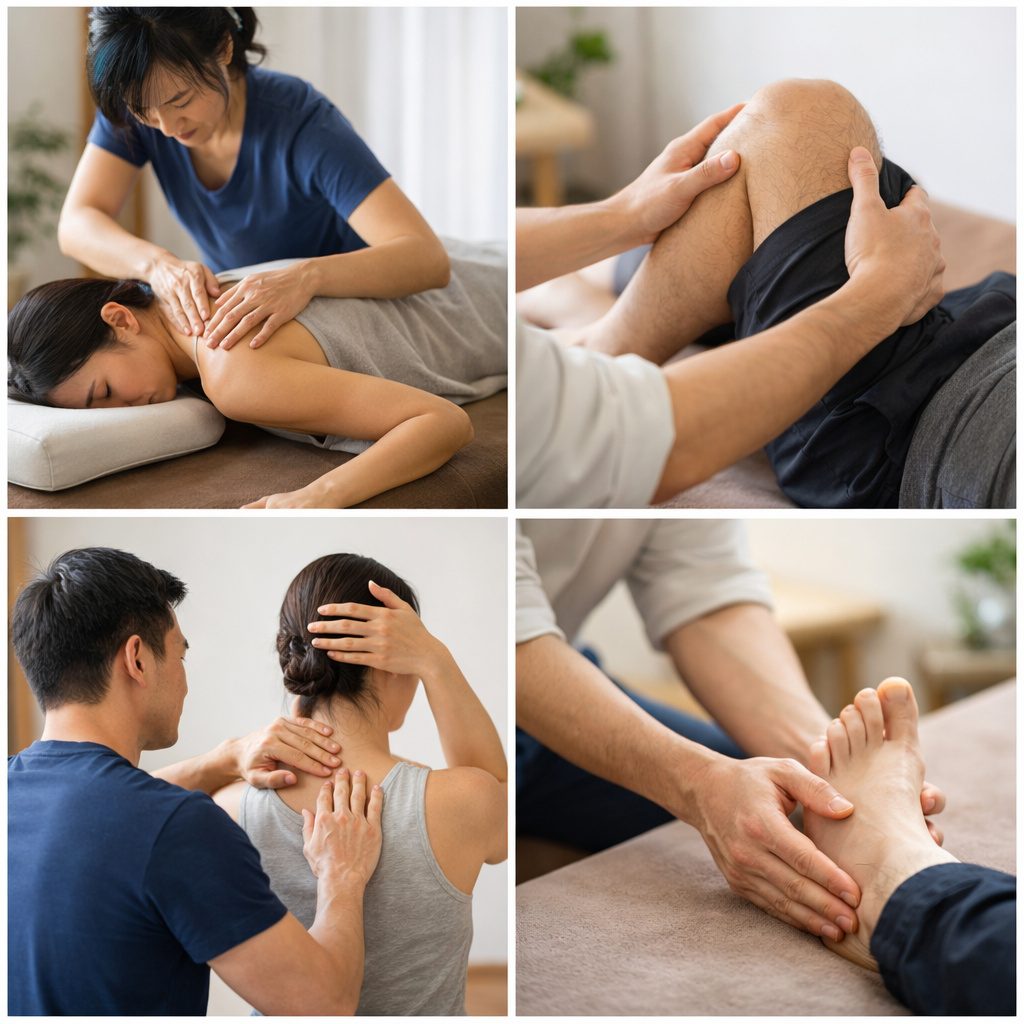
The deepest gift of this work goes beyond pain relief or better mobility, though those matter greatly. It is the chance to build a new relationship with your body—one based on partnership instead of frustration.
You begin to see that your body is not broken or against you. It has been protecting you, often in very clever ways, sometimes for many years. With skilled, respectful manual therapy, that protective system can finally relax. Space opens for ease, strength, and genuine resilience. In that space, you do not just move better; you feel more like yourself again.
At Tokyo Rehabilitation, this listening‑based style of manual therapy is at the heart of how we work. When you come to see us, we are not just asking, “Where does it hurt?” We are asking, “What is your whole system trying to tell us, and how can we best support it?”
Our advanced manual therapists are trained to feel the subtle language of your tissues and nervous system. We combine this with thorough assessment, clear education, and movement retraining. In every session, we aim to help you not only move with less pain but also feel more at home in your body.
Our hands-on work is led by clinicians who each bring deep training in manual therapy and a whole-person approach to care. They are skilled at working not only with muscles and joints but also with the nervous system, breathing patterns, and the quieter emotional layers that often sit beneath long-term pain.
We also work closely as a team. Your therapist may collaborate with colleagues who focus on exercise progression, sports performance, or rehabilitation after surgery. This integrated approach means your treatment plan can evolve with you. It stays grounded in what your body is telling us, session by session.
If this way of working resonates with you, we would be glad to meet you. Whether you are dealing with persistent pain, recovering from an injury, or simply feeling “stuck” in your body, advanced manual therapy can help you move toward ease and confidence again.
If this way of working resonates with you, we would be glad to meet you. Whether you are dealing with persistent pain, recovering from an injury, or simply feeling “stuck” in your body, advanced manual therapy can help you move toward ease and confidence again.
If you enjoyed this article, please see: Health and Wellness for Expats in Japan: Our Approach to Care