

Bringing a baby into the world changes everything. It changes your schedule, your sleep, your priorities, and your body. Some of those changes are expected. Others can feel surprising and even unsettling. Postpartum incontinence is one of those changes many women do not anticipate.Yet it is common. It is treatable. And most importantly, it does not have to be your new normal.
At Tokyo Rehabilitation, postpartum care focuses on helping women regain strength, comfort, and confidence in their bodies. With the right guidance, healing is possible. Understanding what is happening is the first step forward.
Postpartum incontinence refers to difficulty controlling the bladder, bowels, or gas after childbirth. It can happen weeks, months, or even years after delivery. For some women, it begins immediately after birth. For others, it appears gradually.
Incontinence is not simply “a weak bladder.” It often involves the pelvic floor muscles. These muscles form a supportive hammock at the base of your pelvis. They help control urination and bowel movements and support the uterus and bladder.
When these muscles are not functioning well, leaks can happen. However, weakness is only one possible reason. Sometimes the issue is tension. Sometimes it is poor coordination. Often, it is a mix of factors.
Childbirth places tremendous strain on the pelvic floor. During pregnancy, the growing uterus increases pressure on these muscles for months. Hormonal changes also make tissues more flexible. While helpful for delivery, that flexibility can reduce stability.
Vaginal delivery can stretch the pelvic floor significantly. In some cases, small tears or muscle injuries occur. Even a smooth delivery can temporarily disrupt muscle function. Forceps use, prolonged pushing, or larger babies may increase strain.
However, cesarean birth does not completely prevent pelvic floor dysfunction. Pregnancy itself changes muscle strength and coordination. Therefore, women who deliver via C-section can also experience incontinence.
Additionally, posture changes during pregnancy affect core stability. The abdominal muscles stretch. The diaphragm shifts. The pelvic floor works in coordination with both. When this system loses balance, control can suffer.
Many people assume postpartum incontinence means the pelvic floor is weak. Often, that is true. Muscles may struggle to contract strongly enough to close the urethra or support the rectum.
However, tension can cause similar symptoms. A tight pelvic floor does not relax properly. If muscles cannot lengthen, they cannot coordinate effectively. This may lead to leaking, incomplete emptying, or discomfort.
This distinction matters. Strengthening a muscle that is already tight can worsen symptoms. Therefore, identifying the true cause is essential before beginning exercises.
Tokyo Rehab takes this difference seriously. Each body tells a unique story. Care plans reflect that individuality.
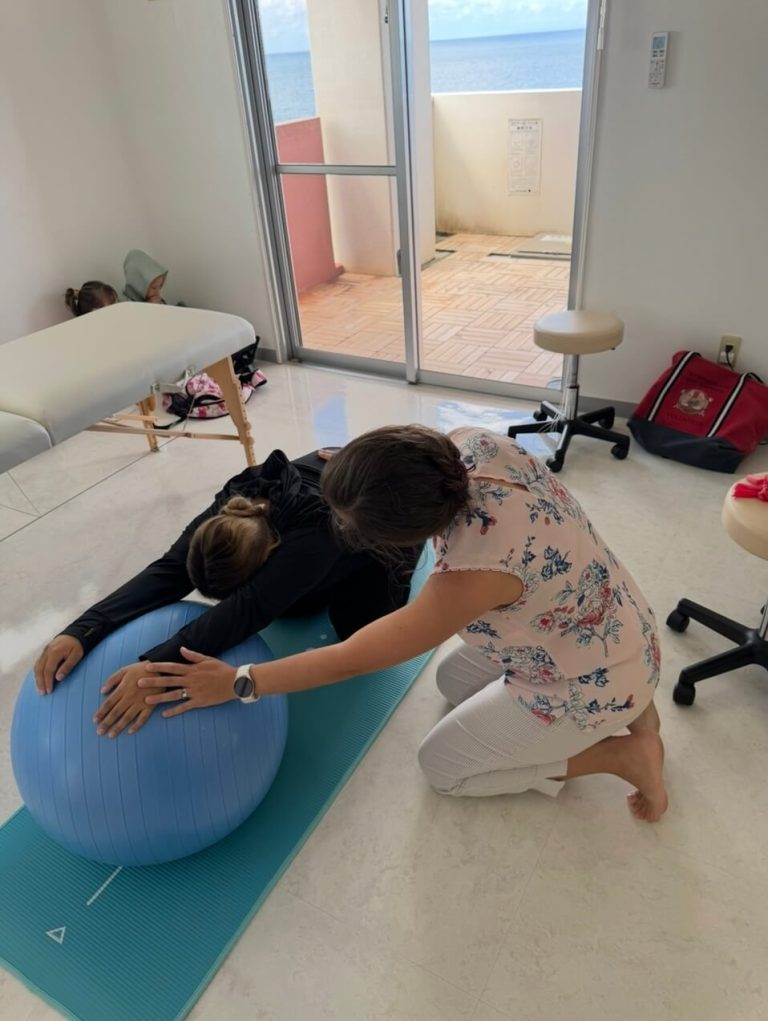
Postpartum incontinence presents in several ways. Some symptoms are mild. Others interfere with daily life.
You may notice leaking urine when you cough, sneeze, or laugh. This is called stress incontinence. It is common after childbirth.You might also feel a sudden urge to urinate and struggle to make it to the bathroom in time. This is known as urge incontinence. It can feel unpredictable and frustrating.
Bowel symptoms are also possible. Some women experience difficulty holding gas. Others notice occasional stool leakage. These issues can feel embarrassing, but they are more common than many realize.
Not all symptoms involve obvious leaks. Some are more subtle. For example, you might feel a weak urine stream. You may need to strain to empty your bladder fully. Poor sensation is another clue. Some women report not feeling the urge to urinate until the bladder is very full. Others feel incomplete emptying.
Pelvic heaviness or pressure can accompany incontinence. Although not always present, it may indicate pelvic floor dysfunction. Additionally, lower back or hip discomfort can relate to poor core coordination. If any of these symptoms sound familiar, you are not alone. And importantly, you are not doing anything wrong.

There are helpful steps you can begin at home. However, starting with awareness is key. Before strengthening, you must understand what your pelvic floor is doing.
First, notice when leakage occurs. Does it happen with impact, like jumping? Or during urgency? Patterns offer useful clues. Next, focus on posture. Standing tall with ribs stacked over hips supports better muscle coordination. Slouching can increase downward pressure on the pelvic floor.
Breathing also plays a role. The pelvic floor and diaphragm move together. When you inhale, the pelvic floor gently lengthens. When you exhale, it naturally recoils. Practicing slow, deep breathing can improve awareness.
Kegels are often recommended after childbirth. For many women, they help rebuild strength. When done correctly, they can reduce stress incontinence.
To perform a Kegel, gently lift and squeeze the muscles that stop urine flow. Hold for a few seconds. Then fully relax. Quality matters more than quantity.However, Kegels are not a universal solution. If your pelvic floor is tight or uncoordinated, repeated squeezing can increase tension. This may worsen urgency or incomplete emptying.
Therefore, if symptoms do not improve or seem to intensify, professional guidance is wise. Doing more is not always better.
If tension is part of the problem, relaxation is crucial. Gentle stretches, diaphragmatic breathing, and pelvic floor drops can help.
To practice a pelvic floor drop, sit comfortably. Inhale slowly. Imagine the muscles at the base of your pelvis softening downward. Avoid pushing. Simply allow lengthening. Warm baths and gentle yoga may also support relaxation. Positions like child’s pose can reduce pressure. Slow movements encourage awareness.
Consistency matters. Short daily practice often works better than occasional intense sessions. Progress comes with patience.
The pelvic floor does not work alone. It partners with the deep abdominal muscles, back muscles, and diaphragm. Together, they create a pressure system.
When abdominal muscles remain weak after pregnancy, extra load falls on the pelvic floor. Therefore, balanced core strengthening supports recovery.Start with gentle exercises. Heel slides, bridges, and supported squats can rebuild strength gradually. However, avoid high-impact workouts early on.
Moreover, pay attention to breath during exercise. Exhale during effort. This helps coordinate the pelvic floor with movement.

Although home strategies help many women, professional support can accelerate healing. If symptoms persist beyond six weeks postpartum, consider an evaluation.
You should also seek help if leaks worsen. Pain during intercourse is another sign to consult a specialist. So is persistent pelvic heaviness. Early intervention often leads to better outcomes. Additionally, treatment is typically noninvasive. You do not need to wait until symptoms feel severe.
At Tokyo Rehabilitation, postpartum recovery is approached with care and respect. Each plan begins with listening.
A pelvic health physical therapist begins with a thorough history. You will discuss pregnancy, delivery, and current concerns. This conversation guides the evaluation.
Next, posture and movement are observed. The therapist looks at how you breathe, stand, and move. These patterns influence pelvic floor function. If appropriate and with consent, an internal exam may assess muscle strength, endurance, and tension. This exam is gentle and informative. It reveals whether muscles are weak, tight, or poorly coordinated. Importantly, you remain in control at all times. Comfort and trust guide the process.
If tension is present, treatment focuses on release and relaxation. Hands-on techniques may gently reduce muscle tightness. This improves blood flow and flexibility.
Therapists also teach self-release strategies. You may learn how to use breathing, positioning, or tools safely at home. Additionally, relaxation exercises become part of your routine. Over time, reduced tension allows better coordination. Leaks often decrease as muscles function more normally. This phase builds a strong foundation. Strength comes later if needed.
When weakness is identified, strengthening begins gradually. Therapists ensure you engage the correct muscles. Many women unknowingly substitute glutes or abs.
Biofeedback or tactile cues can improve awareness. Learning to isolate the pelvic floor improves results. Short, controlled contractions are emphasized. Progression is important. Endurance training follows initial strength gains. Eventually, exercises integrate into functional movements like lifting your baby.
Tokyo Rehab emphasizes whole-body strengthening. Surrounding muscles, including hips and deep abdominals, are addressed. This holistic approach supports lasting improvement.
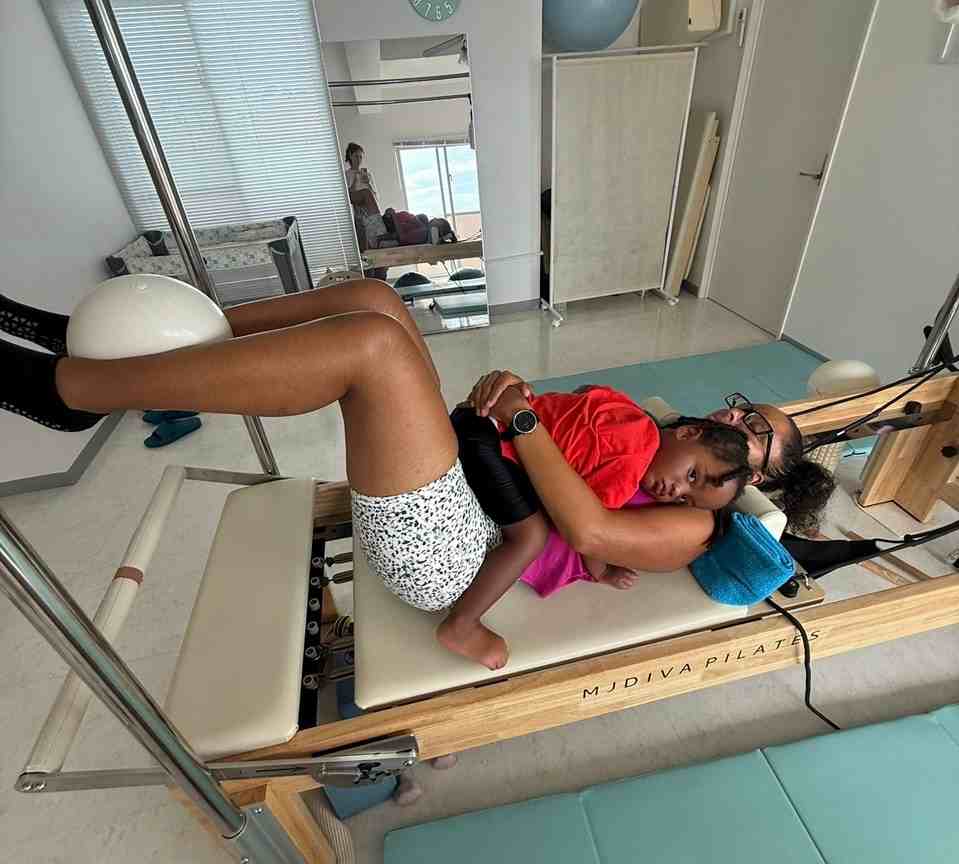
Strength alone does not guarantee control. Coordination matters just as much. Muscles must contract and relax at the right time.
Therapists guide you through functional tasks. For example, you may practice engaging the pelvic floor before coughing. This strategy reduces stress leaks. Awareness training also improves sensation. Over time, many women regain clearer signals from their bodies. This helps prevent urgency episodes. Additionally, therapists adjust programs as you heal. Recovery is dynamic. Your plan evolves with you.
Postpartum incontinence affects more than the body. It can impact confidence. Some women limit social outings or exercise due to fear of leaks.
However, improvement often restores freedom. Feeling in control changes daily life. Small gains build momentum. Moreover, knowing your symptoms are common reduces isolation. Open conversations matter. Supportive care makes a difference. Tokyo Rehabilitation understands that healing is both physical and emotional. Compassion is part of treatment.
Most postpartum incontinence improves significantly with proper care. Many women achieve full resolution. Others experience manageable, minor symptoms.
The key is early attention. Waiting rarely solves muscle dysfunction. Guided therapy speeds recovery. Additionally, ongoing maintenance helps prevent recurrence. Continuing core exercises supports long-term pelvic health. Healthy movement patterns protect progress. Your body has done something remarkable. Recovery deserves equal care.
Postpartum incontinence is common. Yet it is treatable. You do not have to accept leaks as permanent.
Understanding whether weakness, tension, or coordination is involved makes all the difference. Kegels help some women. For others, relaxation is the missing piece. With professional assessment, treatment becomes targeted and effective. Tokyo Rehab provides individualized plans rooted in evidence and compassion.
Healing takes time. However, progress is possible. With patience and the right support, you can regain strength, comfort, and confidence in your body.
To learn more and schedule an appointment:
If you enjoyed this article, please also see: Tech Neck (Text Neck): Why It Happens and How to Feel Better