
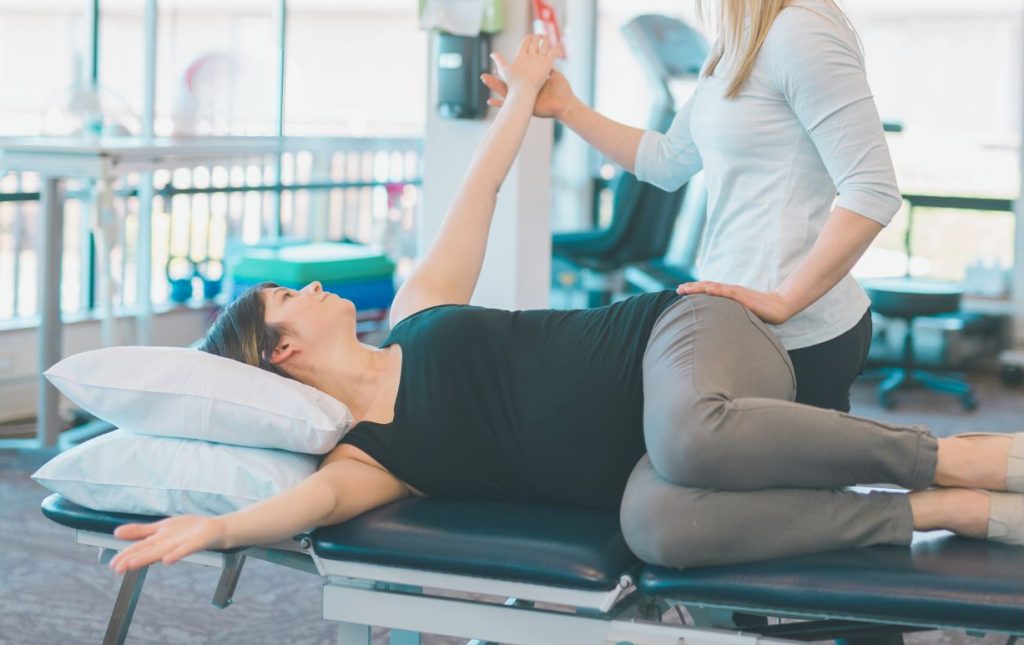
Physical therapy is a powerful and evidence-based form of care that helps people recover from injury, reduce pain, and move with greater ease. It is more than just exercise. Physical therapy is a personalized process that blends science, movement, and thoughtful guidance to help people live better lives.
At its core, physical therapy is about understanding why you hurt or move inefficiently and then helping you address the root of the problem. Therapists assess not just the symptoms but the source of the symptoms. They determine whether the issue originates in the central nervous system (the brain and spinal cord), the peripheral nervous system (the nerves outside the spine), or in the muscles and joints. This deep understanding shapes safer, more effective care that truly helps you move forward with clarity.
In this article, we’ll explore how physical therapy helps, what treatments it may include, and why understanding your symptoms matters. Along the way, we’ll also explain why tailored care—like the kind provided by our practitioners at Tokyo Rehabilitation—can lead to meaningful progress.
Physical therapy is a healthcare profession dedicated to improving movement and function in the body. It helps people who are recovering from injuries, coping with chronic pain, or working to improve strength and coordination. Therapists use clinical assessment skills to find the cause of pain and dysfunction.
Rather than simply treating symptoms, physical therapy looks deeper. It analyzes movement patterns, considers the nervous system, and evaluates strength, balance, and posture. Why is this important? Because pain or limited mobility rarely comes from just one place. Often, multiple systems are involved.
Physical therapists are trained to distinguish whether symptoms are more likely coming from the brain and spinal cord (the central nervous system) or the nerves that branch out through the body (the peripheral nervous system). By doing this, therapists can tailor treatment in the safest, most effective way possible.
Some of the main reasons people seek physical therapy include:
Physical therapy isn’t a one-size-fits-all approach. Instead, care is designed around your needs, goals, and lifestyle—not just your diagnosis.
When you start physical therapy, the first step is a detailed assessment. This evaluation is a conversation and a physical examination. Better understanding leads to better care.
During the assessment, your therapist will ask questions about your symptoms, your daily routine, and your goals. Then they will perform movement tests, strength checks, and nerve assessments. Why? Because understanding the source of your symptoms helps guide safer and more effective interventions.
In many clinics, including Tokyo Rehabilitation, the session is one-on-one and never rushed. This structure gives your therapist the space to gather clues and draw a clear picture of what’s contributing to your pain or movement issues.
This personalized attention helps you feel seen, understood, and supported. It also gives your therapist the insight needed to decide which interventions will be most effective.

One of the key treatments in physical therapy is manual therapy. This involves skilled hands-on techniques that help reduce pain, increase mobility, and improve tissue function. Manual therapy includes joint mobilizations, soft tissue massage, and nerve glides.
Manual therapy helps restore motion where it has been lost. It can loosen stiff joints or muscles and calm irritated nerves. Many patients report immediate relief after these techniques, though the long-term benefit comes from combining manual therapy with movement retraining and strengthening.
Nerve mobilization is another critical component. When nerves become irritated or compressed, pain can travel along the nerve pathway. A therapist trained in neurologic examination can identify whether nerves are involved and then use specific techniques to help the nerve move freely.
Without this careful assessment, nerve problems can be mistaken for muscle or joint issues. Addressing nerves directly helps reduce symptoms like tingling, numbness, or sharp pain. Manual and nerve therapies work best when combined with other movement-based treatments. Together, these strategies help your body move more efficiently and comfortably.
Physical therapy is rooted in movement. Once the source of pain or dysfunction has been identified, therapists guide you through exercises that retrain movement patterns and increase strength. These exercises change the way the body moves so it doesn’t compensate in ways that reinforce pain.
Movement retraining may include:
Strength work isn’t just about lifting weights. It’s about teaching your muscles to work together correctly so that movement becomes smoother, safer, and less painful.
This type of retraining may be progressive over weeks or months. It is guided by your therapist, who adjusts the plan as you improve. The aim is not just pain relief but lasting improvements in how your body functions.

Balance and coordination are often overlooked, but they are essential for safe and efficient movement. When balance is weak, small disturbances can lead to falls or injuries. Coordination problems can lead to inefficient movement, which increases stress on joints and muscles.
Physical therapists use specific exercises to challenge and improve your balance. These may include:
By improving balance, therapy reduces your fall risk and improves confidence in daily movement.
Coordination exercises are similarly important. When your nervous system and muscles work together efficiently, movements feel natural and less effortful. Therapists can help retrain coordination so that movements become smoother and more effective.
One of the most powerful tools in physical therapy is education. Pain can be frightening and confusing. Without clear information, fear about movement can grow. This can lead to avoidance, stiffness, and even more discomfort.
Therapists help you understand:
This education reduces fear and improves confidence. When people understand their bodies better, they move with more assurance and less hesitation.
A knowledgeable therapist explains what’s happening in clear, approachable language. This helps you become an active participant in your recovery, not just someone who receives treatment. In clinics like Tokyo Rehabilitation, clear communication is a key part of care. Sessions are conducted in fluent English. This allows patients to fully understand their treatment plan, goals, and progress without language barriers.

In many rehabilitation settings, physical therapy is part of a broader approach that includes complementary services. These can include:
Together, these services support your body from multiple angles. For example, massage can release muscle tension that might interfere with strength work. Pilates can improve core stability and posture, enhancing the effects of physical therapy. Osteopathic care adds another layer of assessment and manual intervention.
When all these elements are aligned, recovery becomes more complete and sustainable.
Almost anyone with movement challenges or pain can benefit from physical therapy. People who commonly seek therapy include:
Physical therapy also supports people at different stages of life, from children learning movement skills to older adults maintaining mobility.
In addition, many clinics—such as the one discussed earlier—serve a wide range of conditions. They treat orthopedic injuries, neurological issues, pelvic health concerns, and post-operative recovery.
What makes physical therapy effective is its individualized nature. Instead of generic protocols, therapy is tailored to your body, lifestyle, and goals. This means exercises and interventions are specific to your needs.
By focusing on one-on-one care, therapists can monitor progress closely. Adjustments are made based on how your body responds. This keeps you safe and moving forward without unnecessary setbacks.
Moreover, better outcomes are often linked to consistency and trust in care. When your therapist knows you well, and you understand your treatment, progress becomes clearer and more meaningful.
Physical therapy is a journey. To stay motivated, it’s helpful to track improvements over time. This can include measurements such as:
Seeing these changes helps you stay engaged with therapy. It also gives your therapist feedback to adjust your plan for even better results.

Safety is a constant priority in physical therapy. Therapists are trained to assess risks in movement and design plans that avoid harm. They know how to modify exercises to protect injured tissues and adapt plans when progress stalls.
This safety focus is especially important for people with complex conditions, such as neurological issues or post-surgical recovery. Therapists use tools like balance training, graded strengthening, and careful progression to ensure that improvements are steady and sustainable.
Perhaps the most meaningful outcome of physical therapy is a reduction in pain and improvement in daily life. Pain that once limited activity can become manageable. Daily tasks like climbing stairs, carrying groceries, or participating in hobbies can become easier.
This is possible because therapy goes beyond temporary fixes. It strengthens your body in ways that build resilience over time. Pain is reduced not just by masking it, but by addressing how your body moves and functions.
Understanding where pain comes from is a cornerstone of effective therapy. Pain signals can be confusing. They may seem to come from one area but actually originate elsewhere.
A skilled therapist will listen, observe, and test. This helps them determine whether pain is coming from:
Knowing the source allows care to be both targeted and safe. It prevents unnecessary treatments that may not help or could even worsen symptoms.
Physical therapy empowers people by giving them tools to manage their own health. Through education and guided practice, patients learn how to move with confidence. They learn what movements help and which ones might need modification.
This empowerment reduces fear. It builds trust in the body’s ability to adapt and improve. Confidence in movement is a powerful outcome in itself, leading to better daily experiences and more active living.
The benefits of physical therapy extend beyond immediate symptom relief. Long-term advantages include:
These outcomes help people stay active and engaged in life. Whether the goal is walking without pain or returning to a sport, physical therapy supports long-term health.

Physical therapy helps in many ways. It reduces pain, improves movement, and builds strength. Beyond these, it teaches people to understand their bodies and move with confidence. By assessing the source of symptoms and tailoring care accordingly, therapy becomes both safer and more effective.
Whether you are recovering from an injury, managing a chronic condition, or striving to improve your physical performance, physical therapy can make a meaningful difference. Through personalized attention, evidence-based treatment, and clear communication, you are guided to move better today and into the future.
If you want to learn more about tailored physical therapy approaches, consider exploring care options like those offered at Tokyo Rehabilitation, where therapists combine experience, compassion, and comprehensive treatment to help clients achieve lasting improvements.
To learn more and schedule an appointment:
If you enjoyed this article, please also see: Balance Begins in the Brain: A Close Look at How Your Brain, Eyes, Inner Ear, and Neck Team Up