
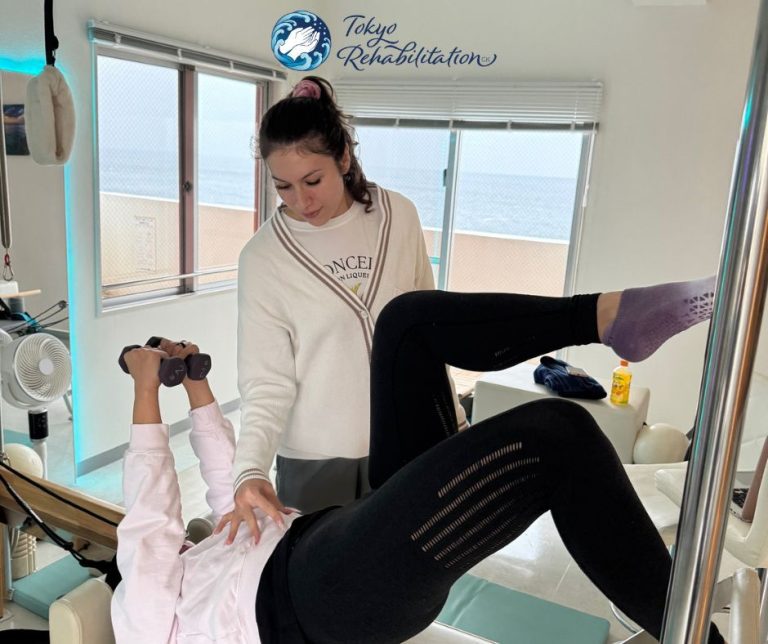
Recovery is not just about healing injuries. It is also about restoring confidence, improving movement, and building strength that lasts. That is exactly where Pilates fits into modern physical therapy.
At Tokyo Rehab, Pilates is more than exercise. It is a focused, guided approach to help people move better, recover faster, and feel stronger in daily life.
Pilates blends controlled movement, breathing, and alignment. As a result, it supports both rehabilitation and long-term health. Moreover, it adapts easily to different conditions, making it suitable for many patients.
Pilates stands out because it focuses on how the body moves, not just how strong it is. Instead of isolating muscles, it trains the body as a connected system. This approach is especially useful in rehabilitation. Research shows that Pilates improves balance, strength, flexibility, and overall function.
Additionally, it emphasizes slow and controlled movements. Therefore, patients can safely rebuild strength without placing excess stress on injured areas.
Unlike traditional workouts, Pilates targets the entire body. It strengthens deep stabilizing muscles while improving mobility at the same time. Because of this, patients often notice improvements beyond their initial injury. For example, better posture and coordination can reduce strain on other parts of the body.
Furthermore, Pilates encourages body awareness. This means patients learn how to move correctly, even outside therapy sessions.
One of the main benefits of Pilates is improved core strength. The “core” includes the abdomen, lower back, hips, and pelvic floor. These muscles act as the body’s foundation. When they are strong, they support the spine and reduce stress on joints.
Studies show that Pilates enhances muscular endurance and stability. As a result, patients often experience less pain during everyday movements.
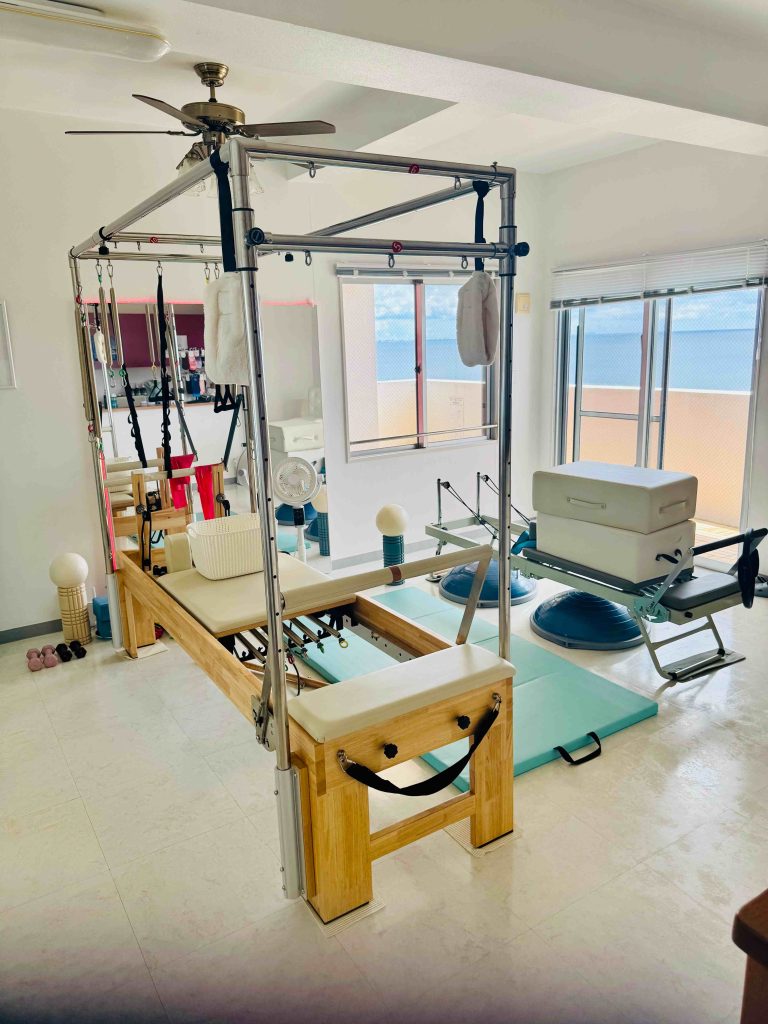
Weak core muscles often contribute to injury. For example, lower back pain is commonly linked to poor core stability. Pilates addresses this issue directly. It strengthens deep muscles that traditional exercises often miss.
Consequently, patients gain better control over their movements. This reduces the risk of re-injury and supports long-term recovery.
Flexibility is essential in physical therapy. However, aggressive stretching can sometimes do more harm than good.
Pilates offers a safer alternative. It uses controlled, flowing movements to gradually increase range of motion.
Because movements are low-impact, patients can improve flexibility without stressing their joints.
In the past, people were often told to rest completely until all symptoms disappeared. While short-term rest is helpful, prolonged inactivity may actually slow recovery.
Initially, one to two days of rest is recommended. After that, gradual movement and activity are encouraged.
This is because the brain benefits from controlled stimulation. Gentle activity helps retrain the nervous system and restore normal function. However, it is important that activity be guided and appropriate. Doing too much too soon can worsen symptoms. On the other hand, doing too little can delay progress.
This balance is where structured rehabilitation becomes essential.
Pilates focuses on quality rather than intensity. Each movement is performed with precision and control. This allows patients to stretch muscles while maintaining proper alignment. Over time, this leads to lasting improvements in mobility.
Additionally, improved flexibility supports better posture. It also reduces stiffness, especially after injury or surgery.

Pain management is a major goal in physical therapy. Pilates has been shown to reduce pain and improve quality of life in various conditions. This is partly because Pilates strengthens supportive muscles. It also improves alignment, which reduces strain on joints and tissues.
Moreover, the slow pace of Pilates allows patients to move without triggering pain.
Pilates is especially helpful for chronic pain. Conditions like back pain, arthritis, and muscle imbalances respond well to this approach. Research indicates that Pilates can reduce pain and disability across multiple conditions.
As a result, patients often regain confidence in their movement. This is a key step in long-term recovery.
Balance is often affected by injury or inactivity. Fortunately, Pilates helps restore stability through controlled movement. Exercises focus on alignment and muscle control. This improves coordination between different parts of the body.
Studies show that Pilates can significantly improve balance and reduce the risk of falls.
Good balance is essential for everyday activities. Walking, bending, and reaching all depend on stability. When balance improves, patients feel more secure. This reduces hesitation and helps them return to normal routines.
In addition, better coordination leads to smoother, more efficient movement patterns.
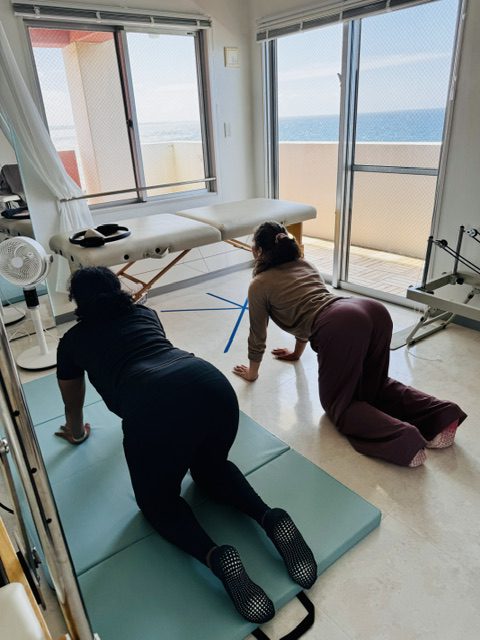
Poor posture is a common issue. It often develops due to injury, sedentary habits, or muscle imbalances. Pilates addresses posture by strengthening key muscles. It also teaches proper alignment during movement.
Over time, this leads to better positioning of the spine and joints.
Poor posture places extra stress on the body. This can lead to discomfort, especially in the neck and back. Pilates corrects these imbalances. It trains the body to maintain proper alignment naturally. As a result, patients often experience reduced tension and improved comfort.
Not all exercises are suitable during rehabilitation. High-impact movements can delay healing or cause setbacks. Pilates offers a safe alternative. It is low-impact and highly adaptable. This makes it ideal for people recovering from surgery, injury, or chronic conditions.
Every patient is different. Therefore, Pilates programs can be modified to suit individual needs. At Tokyo Rehabilitation, exercises are tailored to each person’s condition and goals. This personalized approach ensures that patients progress safely and effectively.
Recovery is not just physical. It also involves mental engagement and awareness. Pilates encourages mindful movement. Patients focus on breathing, alignment, and control. This creates a stronger connection between the mind and body.
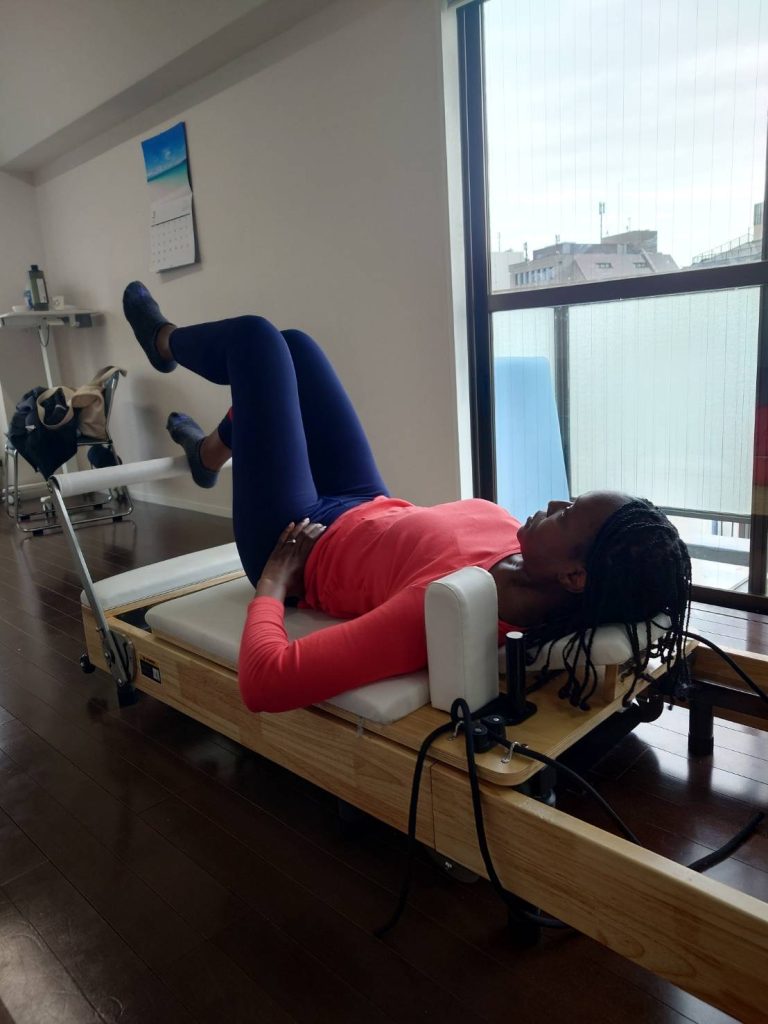
Mindfulness helps patients stay present during exercise. This reduces the risk of incorrect movement. It also improves concentration and reduces stress. In turn, this supports overall recovery. Research suggests Pilates can enhance both physical and mental health outcomes.
One of the greatest benefits of Pilates is injury prevention. It strengthens the body while improving movement patterns. This combination reduces the likelihood of future issues. Additionally, Pilates teaches patients how to move safely in daily life.
A strong, balanced body is less prone to injury. Pilates helps achieve this by targeting both strength and mobility. Patients learn how to engage the right muscles at the right time. As a result, everyday activities become safer and more efficient.
Pilates is highly versatile. It can be used in many areas of physical therapy. For example, it supports recovery from musculoskeletal injuries. It also benefits neurological conditions and chronic pain. Research highlights its role in improving physical function and quality of life.
Pilates does not stop at recovery. It continues to support long-term health. Patients often transition from therapy into ongoing Pilates practice. This helps maintain strength, flexibility, and overall well-being.
Pilates works because it combines several key elements. These include strength, flexibility, control, and awareness. Each element plays a role in recovery. Together, they create a balanced approach. This is why Pilates is widely used in rehabilitation settings.

Physical therapy continues to evolve. Pilates fits perfectly into this modern approach. It focuses on functional movement. This means exercises translate directly into real-life activities. As a result, patients see practical improvements in their daily lives.
At Tokyo Rehab, Pilates is integrated into personalized treatment plans. Each session is designed to meet the patient’s needs. Therapists guide patients through controlled movements. They ensure proper technique and progression. This hands-on approach leads to better outcomes.
The goal is not just short-term relief. Instead, the focus is on lasting improvement. Patients build strength, improve mobility, and gain confidence. Over time, they develop habits that support ongoing health.
Starting Pilates is simple. However, guidance is important, especially during rehabilitation. Working with trained professionals ensures exercises are performed correctly. This reduces the risk of injury and maximizes results.
Your first session will focus on assessment. Therapists evaluate your movement, strength, and flexibility. Then, they create a personalized program. This ensures exercises match your current ability. Progression happens gradually. Each session builds on the last.
Pilates offers a powerful combination of benefits. It strengthens the body while improving movement and awareness. It also supports recovery in a safe and controlled way. For anyone in physical therapy, it provides a path toward better movement and long-term health.
Recovery is a journey. Pilates makes that journey more effective and more sustainable. It helps patients move with confidence again. It also prepares them for the demands of daily life. At Tokyo Rehabilitation, Pilates is not just an add-on. It is a core part of helping people feel stronger, move better, and live without limitations.
To learn more and schedule an appointment:
If you enjoyed this article, please also see: Concussion and the Role of Physical Therapy