
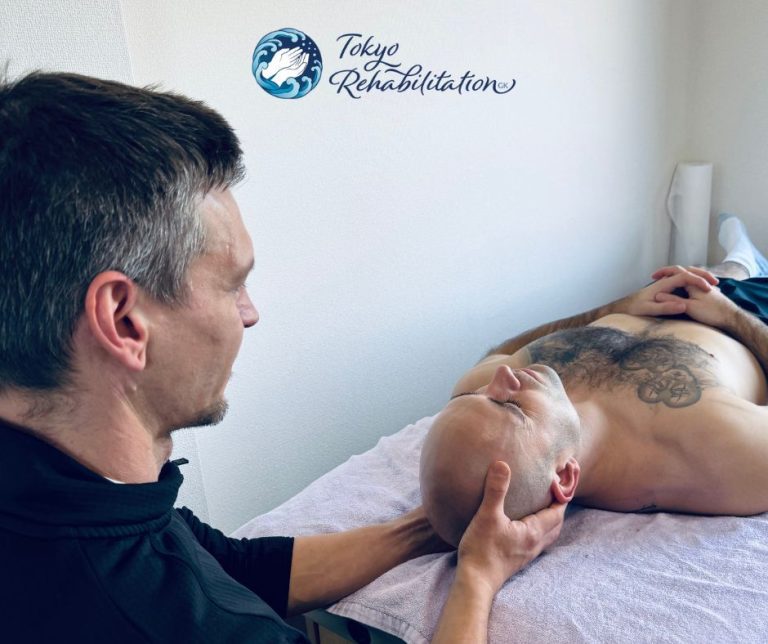
A concussion can feel confusing, frustrating, and even a little frightening. However, with the right knowledge and support, recovery is absolutely possible. In fact, many people return to their normal activities with proper care and guidance. This is where expert rehabilitation, like that offered through Tokyo Rehab, plays an important role.
Although concussions are common, they are often misunderstood. Therefore, learning what a concussion is, how it affects the body, and how to recover safely can make a meaningful difference in your outcome. Let’s explore everything you need to know.
A concussion is a type of mild traumatic brain injury (mTBI). It occurs when the brain is shaken or jolted inside the skull. This disruption can affect how the brain functions, even if there is no visible injury.
Importantly, you do not need to lose consciousness to have a concussion. In fact, most concussions happen without someone being “knocked out.” Even so, the brain still experiences stress and requires time to recover.
Because of this, concussions should always be taken seriously. Even a mild injury can temporarily affect memory, balance, mood, and concentration. However, with proper care, the brain is capable of healing.
Concussions can occur in many everyday situations. While they are often associated with sports, they are not limited to athletes. Instead, they can happen to anyone at any time. For example, common causes include:
In each of these situations, the brain moves rapidly inside the skull. As a result, normal brain function is temporarily disrupted.
Additionally, it’s important to understand that symptoms may not appear right away. In some cases, they develop hours or even days later. Therefore, paying attention to how you feel after any head injury is essential.
Concussion symptoms can vary widely from person to person. Some people notice changes immediately, while others experience a gradual onset.
Physical Symptoms
Many symptoms affect the body directly. These may include:
These physical symptoms are often the most noticeable. However, they are only one part of the picture.
Concussions also affect how the brain processes information. As a result, people may experience:
Sleep changes are also common. Some people sleep more than usual, while others struggle to fall asleep. Because symptoms vary so much, each concussion experience is unique. However, recognizing these signs early can help guide proper care.
Recovery timelines can differ significantly. However, most people begin to feel better within a few weeks.
In general, symptoms resolve within about four weeks for many individuals. That said, some people experience symptoms that last longer. These are often referred to as persistent post-concussion symptoms.
For example, symptoms can last:
Although this may sound concerning, there is good news. Even if symptoms persist, recovery is still possible with the right support. Furthermore, early intervention can often speed up recovery. Therefore, seeking guidance sooner rather than later is beneficial.
In the past, people were often told to rest completely until all symptoms disappeared. While short-term rest is helpful, prolonged inactivity may actually slow recovery.
Initially, one to two days of rest is recommended. After that, gradual movement and activity are encouraged.
This is because the brain benefits from controlled stimulation. Gentle activity helps retrain the nervous system and restore normal function. However, it is important that activity be guided and appropriate. Doing too much too soon can worsen symptoms. On the other hand, doing too little can delay progress.
This balance is where structured rehabilitation becomes essential.
Recovering from a concussion involves a combination of rest, gradual activity, and targeted therapy. Each step plays a role in helping the brain heal.
In the first 24–48 hours, it is important to reduce physical and mental strain. This means limiting screen time, avoiding intense exercise, and getting adequate sleep.
However, complete isolation is not necessary. Light daily activities are usually acceptable if they do not worsen symptoms.
After the initial rest period, gentle movement is encouraged. For example, short walks or light stretching can help stimulate recovery.
As symptoms improve, activity can be increased step by step. This gradual progression helps rebuild tolerance without overwhelming the brain.
Because concussions affect multiple systems, targeted treatment is often needed. For example:
This is why individualized care is so important.
Sleep plays a critical role in brain recovery. Therefore, maintaining a consistent sleep schedule is essential. Additionally, proper nutrition supports healing. Staying hydrated and eating balanced meals can make a noticeable difference.

Physical therapy is one of the most effective tools for concussion recovery. It goes beyond general advice by providing a structured, personalized approach.
At Tokyo Rehabilitation, care is tailored to each individual. Therapists use a combination of modern techniques and hands-on care to support healing.
First, a detailed evaluation is performed. This helps identify which systems are affected, such as:
Because every concussion is different, this step is essential.
After assessment, a personalized plan is created. This may include:
These treatments help restore normal brain-body communication.
Physical therapists also guide your return to daily activities. This includes work, exercise, and sports.
They monitor your symptoms closely. As a result, progression happens safely and effectively.
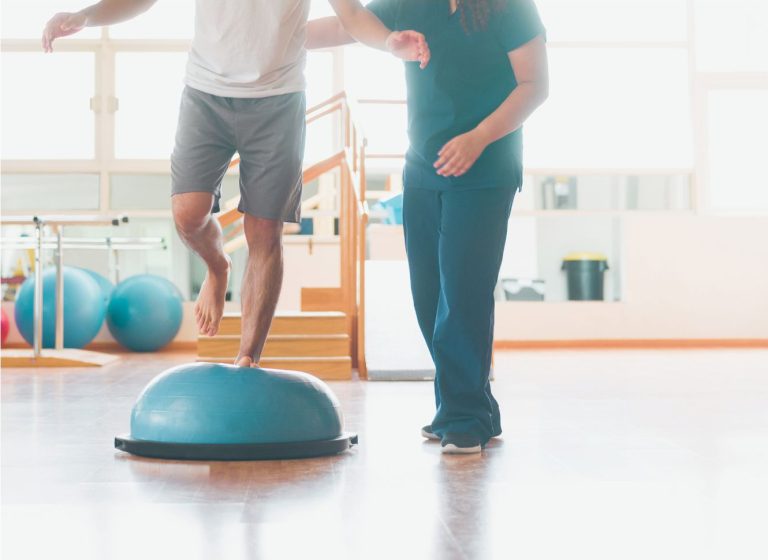
Even if symptoms have lasted for months, therapy can still help. Research shows that physical therapy can improve symptoms at any stage of recovery.
This means it is never too late to seek help.
Knowing when to seek help is crucial. While many concussions improve on their own, some require professional care.
Seek Immediate Medical Attention If You Notice:
These may indicate a more serious condition and require urgent care.
These are signs that guided rehabilitation may be beneficial. Additionally, early therapy can often prevent symptoms from becoming long-term. Therefore, seeking help sooner can lead to better outcomes.
Recovery from a concussion is not just about reducing symptoms. It is about restoring confidence, movement, and quality of life.
Tokyo Rehab emphasizes a whole-body approach. This includes addressing physical, neurological, and lifestyle factors.
For example, treatment may combine the following:
This comprehensive care supports both short-term recovery and long-term health.
A concussion can disrupt your routine. However, it does not have to define your future. With the right approach, recovery is not only possible but expected. The key is understanding your symptoms, taking appropriate steps, and seeking support when needed.
Importantly, you are not alone in this process. Skilled professionals, such as those at Tokyo Rehabilitation, are there to guide you every step of the way. So, if you or someone you know is dealing with a concussion, take action early. Listen to your body, stay informed, and trust the recovery process.
Because with the right care, your brain—and your life—can get back on track.
To learn more and schedule an appointment:
If you enjoyed this article, please also see: Understanding Pelvic Pain: CNS vs. PNS